Song Meaning
The lyrics open with a direct, almost desperate plea, hinging entirely on shared history. The speaker yearns to relive a past when "life was so wonderful then," painting a clear picture of former happiness. This immediate dive into nostalgia sets a tone of profound regret and longing.
The core conflict here is the speaker's agonizing realization of a past error. They admit, "I made my greatest mistake" by letting the other person go, suggesting a present suffering that contrasts sharply with the "wonderful" past. This admission of fault fuels the entire plea for a second chance, hoping to "give my heart a break" from its current pain.
The repetition of "I know, now I know" isn't just emphasis; it underscores a profound, perhaps recent, epiphany. This isn't a casual thought; it's a deeply felt conviction that their past decision was catastrophic. This realization then underpins the hopeful, yet vulnerable, argument: if love existed once, it could again.
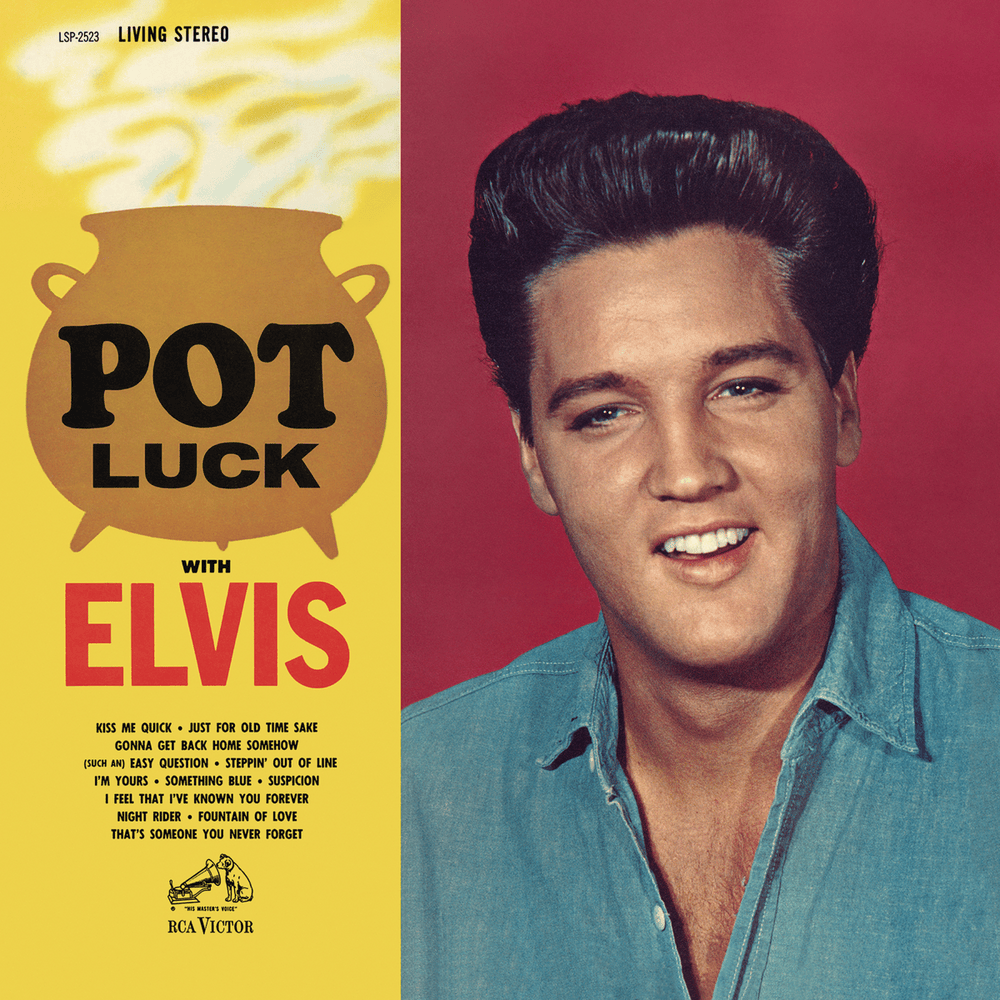
These lyrics resonate because they tap into the universal ache of hindsight and regret. The speaker's raw honesty about their "greatest mistake" and their simple, direct appeal makes their desperation palpable. It's a plea born from suffering, hoping that shared memories can somehow mend a broken present. The repeated "just for old time sake" frames the entire emotional landscape, making a powerful case for a do-over.
 View Artist