Song Meaning
The lyrics present a seemingly simple declaration of love, yet they immediately introduce a curious paradox. The speaker insists that "Anyone could fall in love," framing their own profound affection as a universal, undeniable truth. This sets up an intriguing tension between commonality and deep personal feeling.
This repeated assertion isn't a dismissal of unique love; rather, it's a powerful rhetorical strategy. The speaker justifies their own intense devotion by arguing that the beloved's qualities are so exceptional, so universally appealing, that *any* discerning person would feel the same. Phrases like "who knows you as I do" and "eyes that can see" suggest a privileged understanding, implying the speaker's love is not just *any* love, but an informed, inevitable response to unparalleled beauty.
The bridge provides a crucial shift, moving from the universal "anyone" to intensely personal, almost hyperbolic, imagery. Here, the beloved is a "star I reached for" and "greatest treasure," grounding the earlier claims in deeply felt, individual adoration. This shift reveals the speaker's profound personal connection, making the preceding "anyone" statements feel less like a generalization and more like an emphatic, almost boastful, declaration of the beloved's singular worth.
The genius of these lyrics lies in how they use apparent commonality to underscore profound individuality. By asserting that "Anyone could want you," the speaker isn't diminishing their own desire but elevating the beloved to a status so high that such widespread admiration is simply a given. The constant refrain, "I love you, my darling," anchors this clever argument, ensuring the listener never doubts the speaker's unwavering and deeply personal commitment, making the love feel both universal in its justification and intensely unique in its experience.
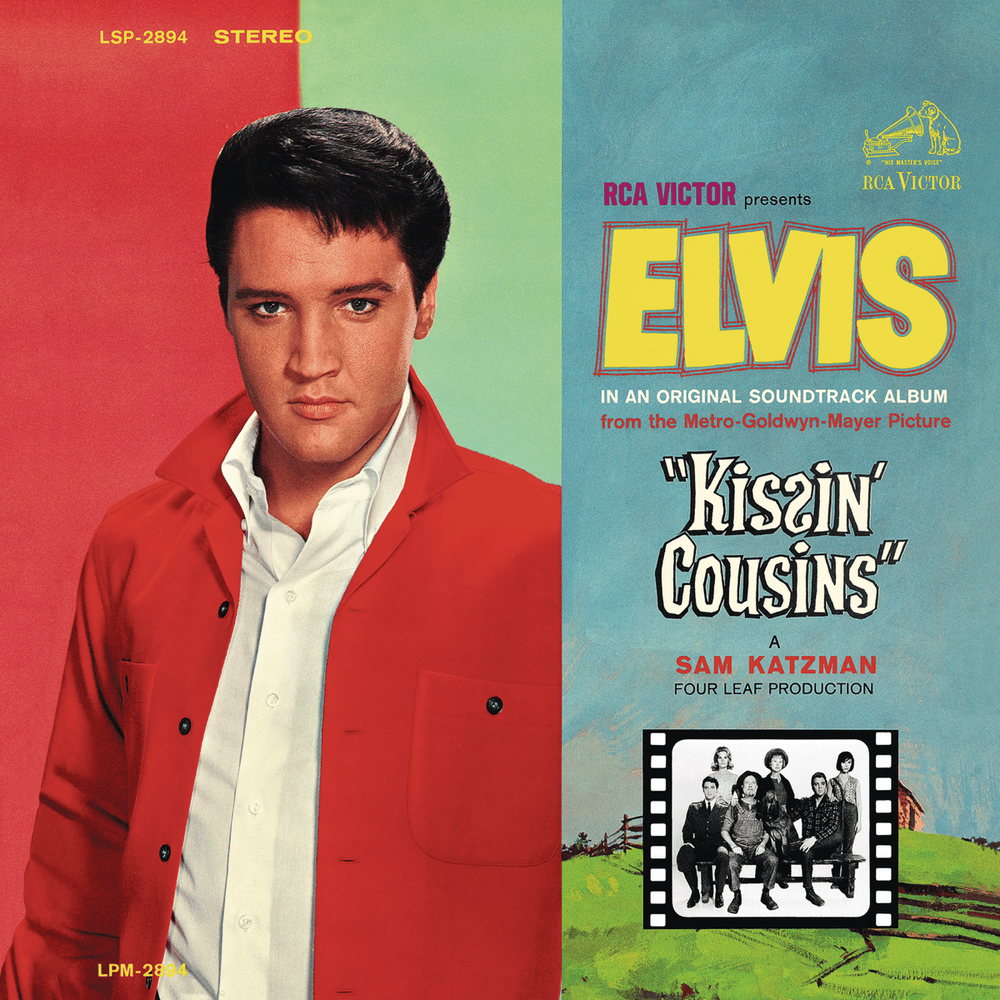
 View Artist