Song Meaning
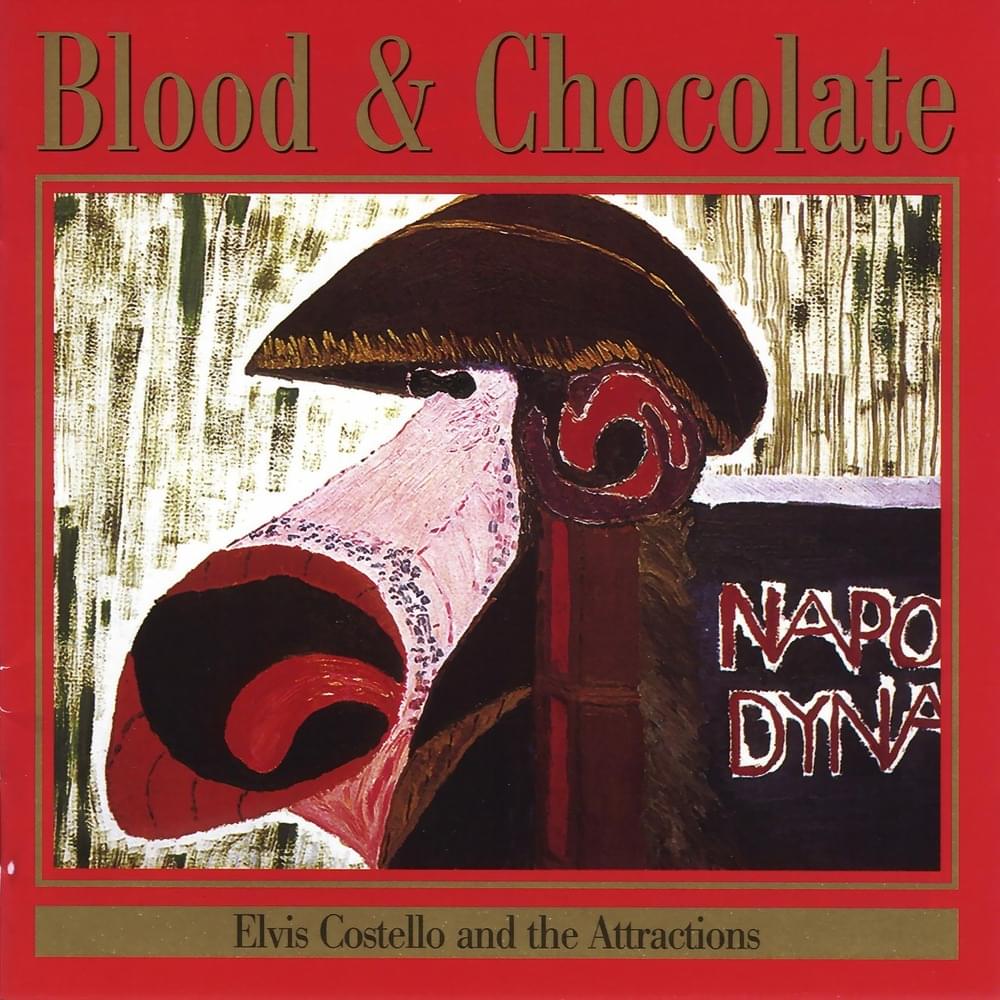
Elvis Costello, the master of the jagged romantic edge, drills down to raw vulnerability in "Tell Me Right." The song isn't a complex narrative; it's a primal scream disguised as a plea. Stripped of elaborate metaphors, the lyrics cut straight to the quick: a desperate demand for clarity before emotional investment spirals into irreversible heartbreak. The core anxiety revolves around the agonizing uncertainty of a relationship teetering on the brink. The speaker isn't necessarily demanding eternal love, but rather a decisive answer to prevent future devastation. It’s a preemptive strike against the specific brand of pain Costello has so expertly chronicled throughout his career.
The repetition of "Tell me right now" and "leave now" underscores the urgency. It's not just about avoiding pain; it's about regaining control. The speaker recognizes the potential for deep attachment ("Don't wait around till I love you so much / I can't love no one else") and understands the crushing weight of unilateral devotion. This awareness elevates the song beyond simple pining; it becomes a commentary on the power dynamics inherent in relationships and the self-inflicted wounds we risk when ignoring red flags. The repeated phrase "take my heart and break my heart" lays bare the speaker's fear of emotional manipulation, a fear seemingly rooted in past experiences or perhaps a deep-seated insecurity.
Beneath the surface of a seemingly straightforward message lies a complex interplay of hope and resignation. The lines "Maybe baby if you left now / Maybe I'd get over you somehow" reveal a sliver of optimism—a belief in the possibility of healing and future happiness. However, this hope is quickly overshadowed by the repeated demands to leave, suggesting a deeper lack of faith in the relationship's viability. Costello isn’t just exploring heartbreak; he’s dissecting the agonizing limbo of uncertainty, the self-protective mechanisms we employ, and the desperate yearning for closure, even if that closure brings pain. The song meaning lies in its stark portrayal of emotional self-preservation.
 View Artist