Song Meaning
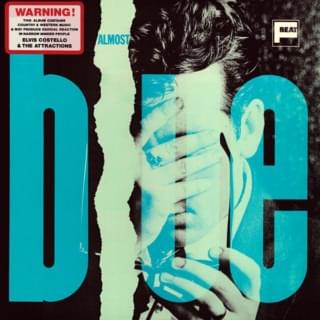
Elvis Costello's rendition of "My Shoes Keep Walking Back to You" (originally a country hit) carries a weight of regret and involuntary obsession that transcends genre. While Costello is known for his acerbic wit and complex narratives, here he delivers a raw, almost painfully simple confession of lingering attachment. The song's core meaning resides in that central tension: the performative act of moving on versus the undeniable pull of a lost love. The lyrics paint a picture of someone attempting to project an image of indifference ("I might say that I don't care / Hold my head up in the air"), yet utterly failing to convince even himself. This public facade crumbles the moment solitude descends, revealing the raw ache beneath. It's a masterful depiction of the gap between intention and action, fueled by the powerful undercurrent of denial.
The repeated motif of the body acting against the conscious will – "my arms keep reaching," "my lips keep calling," and, most significantly, "my shoes keep walking" – underscores the helplessness at the heart of the song's meaning. The shoes, in particular, are a potent symbol. They suggest a journey, a physical manifestation of the inability to escape the past. It’s not just a mental longing, but a deeply ingrained habit, a path worn smooth by repeated returns. This involuntary movement highlights the psychological power of habit and the difficulty of breaking free from established patterns of behavior, especially when those patterns are tied to intense emotional experiences.
Ultimately, "My Shoes Keep Walking Back to You" explores the frustrating paradox of heartbreak. The speaker understands the need to move on ("I can't forget no matter what I do"), but remains trapped by the lingering power of memory and the body's stubborn refusal to cooperate. Costello's interpretation, steeped in vulnerability, exposes the universal struggle to reconcile the head and the heart, and the humbling realization that sometimes, despite our best efforts, we are not entirely in control of our own desires or destinies. It's a testament to the enduring power of love, even in its absence, and the quiet desperation of knowing something is truly lost.
 View Artist