Song Meaning
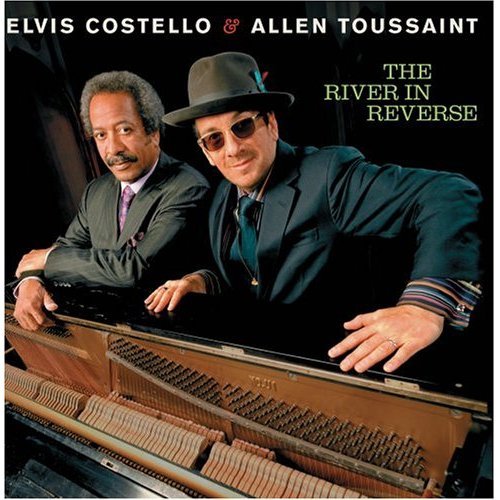
Elvis Costello's "Freedom for the Stallion" is not a Costello original, but his interpretation is a searing indictment of systemic oppression, masked as a plea for divine intervention. The seemingly straightforward yearning for liberty, initially framed with pastoral imagery—stallions, mares, and innocent children—quickly morphs into a broader, angrier lament. It's a primal scream against the hypocrisy of power structures built on exploitation. The 'freedom' Costello sings of isn't merely a personal aspiration; it's a collective necessity, denied to those disenfranchised by societal constructs. The opening verse, with its evocation of untamed nature, serves as a stark contrast to the subsequent verses detailing the brutal realities of slavery and economic disenfranchisement. The stallion's freedom becomes a symbol of what is inherently right, juxtaposed against the man-made chains of injustice. Costello uses this contrast to highlight the profound disconnect between natural law and the laws crafted by those in power.
The core of the song meaning lies in its desperate, repeated chorus. It's not just a prayer but an accusation. "Lord, have mercy, what you gonna do / About the people who are praying to you?" This isn't blind faith; it's a challenge to the very notion of divine justice in the face of earthly corruption. The lyrics directly call out the deification of money and the deliberate construction of laws that perpetuate inequality. The lines about men building fences to keep others out and the suppression of dissent – 'ignore him if he whispers and kill him if he shouts' – are particularly chilling, reflecting a deep cynicism about the mechanisms of control. Costello isn't just observing injustice; he's implicating the listener, forcing us to confront our own complicity in these systems.
Ultimately, "Freedom for the Stallion" transcends a simple protest song. It's a complex exploration of faith, power, and the enduring human struggle for liberation. Costello's interpretation, steeped in raw emotion, underscores the song's timeless relevance. The plea for divine intervention is not a passive request but a call to action, a demand for accountability, and a recognition that true freedom requires not only individual yearning but also collective resistance against the forces that seek to deny it. The layering of historical oppression (slavery) with contemporary forms of control (economic disparity, suppression of free speech) makes the song not just a historical reflection, but a pointed commentary on the present. He offers no easy answers, only the raw, unflinching recognition of the problem and the urgent need to find 'a way' forward.
 View Artist