Song Meaning
The lyrics paint a disquieting picture of rural stagnation and hidden despair, encapsulated by the recurring phrase "Country darkness." It opens with a sense of decay and unresolved mystery, describing a "tattered document" and a "burnt out filament" with "flies buzzing around the bulb." This imagery establishes a mood of neglect and slow deterioration, hinting at secrets or problems that are left to fester in the oppressive quiet of the countryside. The scene feels both mundane and unsettling, a place where things are falling apart unnoticed.
The central tension seems to arise from a desperate yearning for escape versus an inescapable reality. One figure "thought of traveling" while an "approaching train" offers a potential route out, but it only serves to "drown out his desperate pulse," suggesting that even the sounds of the outside world can’t penetrate the internal suffering. The idea of a "song with no refrain" further emphasizes this feeling of being trapped in a loop of unresolved pain. The repeated "Country darkness" acts as an anchor, a constant reminder of the inescapable environment.
The lyrics introduce a fascinating paradox with the "prison she lives in / The one with the open door." This suggests a self-imposed confinement or a situation where freedom is technically available but psychologically unattainable. The narrator appears to be observing or reflecting on these trapped individuals, noting her "daydreams of forbidden sins" and the feeling that "there must be something more." This highlights a profound internal conflict between desire and circumstance, a yearning for a life beyond the suffocating familiarity of their surroundings.
What makes these lyrics so potent is their stark, almost clinical depiction of despair. The imagery shifts from decay to menace with the "glistening cruel blade" veiled and the pronouncements of "Suffer little children" and "Repent, unfaithful maid." This suggests that the quiet country darkness harbors not just stagnation but also judgment and potential violence, both external and internal. The repetition of "Country darkness" at the end, layered with the "Oh oh oh oh," transforms it from a setting into a suffocating, almost sentient force, leaving the listener with a lingering sense of unease and unresolved dread.
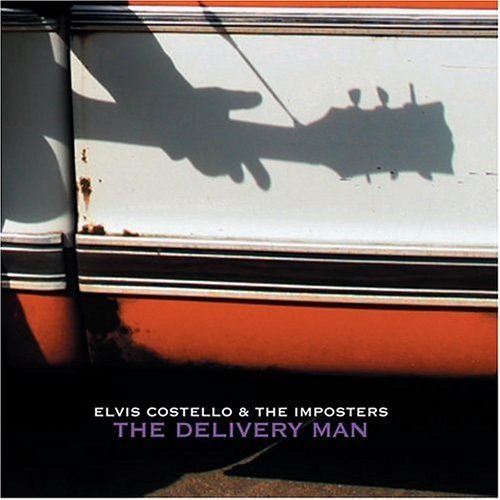
 View Artist