Song Meaning
The lyrics paint a powerful picture of collective identity and ancestral connection, grounding the present in a deep historical lineage. The opening lines, "Here we stand / Arisen from the night," immediately establish a sense of emergence and resilience. This is reinforced by the explicit mention of "our ancestors, our forebears in our hearts, our descendants in our minds," highlighting a profound awareness of continuity across generations. The repetition of "In our family / In our tribe / In our nation" builds a layered sense of belonging, culminating in a unified declaration of shared existence: "Side by side we stand."
The core tension emerges from a plea for acceptance and worthiness within this collective. The narrator expresses a desire to "be found worthy" and a fear of being "banished," indicating a deep-seated need for validation from both the community and the divine. This vulnerability is juxtaposed with a resolute commitment to duty, as evidenced by the vow, "We will carry the torch," suggesting a responsibility to uphold traditions and guide future generations. The invocation of ancient deities like Toutatis, Esus, and Taranis underscores the spiritual and communal foundation upon which this identity is built.
The craft of the lyrics lies in their evocative, almost incantatory tone, amplified by the use of ancient-sounding names and phrases, even in translation. The structure moves from a statement of being to a series of aspirations and commitments, creating a sense of forward momentum. The recurring theme of divine favor, particularly the wish for Toutatis to "lift his face and shine upon us," imbues the collective with a sense of sacred purpose. The final lines, invoking Esus as "good, wise and panacean" and Taranis as a "strong guide," solidify the spiritual framework supporting the community's endeavors.
Ultimately, the lyrics resonate because they articulate a universal human desire for belonging and purpose, framed within a specific, ancient context. The blend of historical consciousness, communal solidarity, and spiritual aspiration creates a compelling narrative of a people looking both backward to their roots and forward to their future, seeking strength and guidance from their heritage and their gods. The commitment to "carry the torch" speaks to a legacy of responsibility and the enduring power of shared identity.
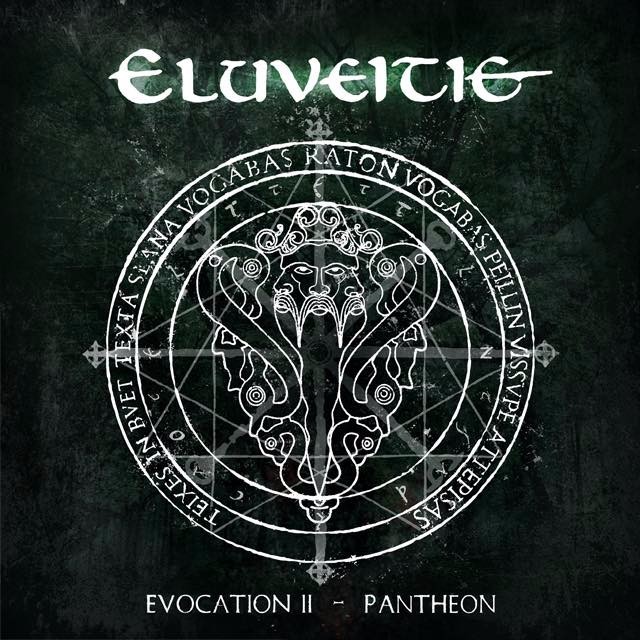
 View Artist