Song Meaning
The lyrics paint a picture of overwhelming weariness with the modern world, a pervasive sense of 'blues' tied specifically to the 'twentieth century.' There's a feeling of being trapped in a noisy, chaotic existence, a 'dreary twentieth century din' that offers little solace or reason for hope. The narrator grapples with a profound disillusionment, questioning the purpose of striving or even living when the world seems inherently flawed.
This disillusionment stems from a perceived disconnect between humanity's supposed 'civilized' nature and the reality of a world filled with 'chaos and confusion.' The lyrics suggest a deep disappointment that despite advancements, the world is 'so wrong.' The narrator feels a sense of futility, asking 'What is there to strive for, love or keep alive for,' before ultimately suggesting 'call it a day.' This points to a desire to opt out of the struggle.
The most striking aspect is the almost existential sigh that permeates the text. The repeated plea to 'escape those dreary twentieth century blues' highlights a desperate wish for relief from this specific brand of modern malaise. The question directed at a potentially indifferent 'god in the sky' who might 'grin' at the 'dreary twentieth century din' underscores a feeling of cosmic absurdity and a lack of divine intervention or even concern for human suffering. The idea that 'our dreams cannot last long' in this 'hurly-burly of insanity' solidifies the sense of a world where aspirations are crushed.
Ultimately, these lyrics resonate because they articulate a feeling of being ground down by the sheer weight of modern existence. The writing captures a specific kind of fatigue, not just personal sadness, but a weariness with the collective state of affairs. The direct, almost conversational tone, coupled with the stark imagery of chaos and confusion, makes the narrator's desire to escape feel intensely relatable, even if the specific 'blues' are rooted in a bygone era.
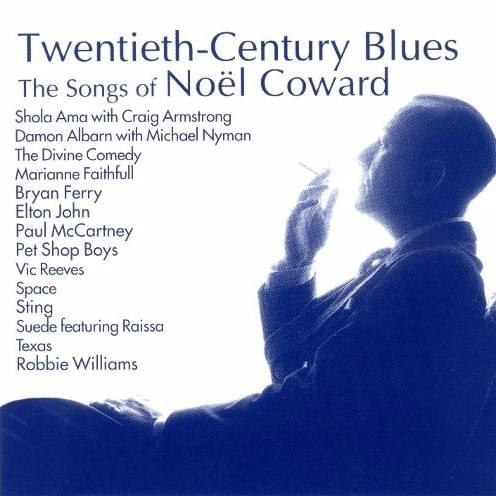
 View Artist