Song Meaning
The lyrics paint a picture of a relationship marked by intense highs and unsettling lows. The opening lines establish a routine of seeking solace by revisiting shared spaces, like taking the train by the lake, suggesting a longing for connection or a return to happier times. These moments are characterized by simple joy, like laughing in a car, hinting at a past or intermittent ease between the two individuals. The narrator clearly cherishes these experiences, noting how the other person "take[s] me to places that I have never been."
The central tension emerges in the recurring chorus, which acknowledges the inherent messiness and fear within the relationship. The narrator admits to being "scared and I don't know," a vulnerability that contrasts sharply with the earlier lightheartedness. This uncertainty is powerfully captured by the simile "Feels like buying flowers just to watch them die," a poignant image of investing in something beautiful only to witness its inevitable decay. This recurring motif underscores a deep-seated anxiety about the impermanence of their bond.
The imagery of Pringle Creek and the specific bench where "we relive all of our sins" introduces a layer of shared history, perhaps one tinged with regret or past mistakes. The desire to be "So close that I can't tell where I end and you begin" expresses an almost desperate yearning for complete fusion, a wish to escape the fear of separation by becoming one. However, the final lines, "I hear the rain from this mattress on the floor / I know I've never felt this before," shift the tone to one of isolation and profound, perhaps unsettling, new emotional territory, suggesting a current state of vulnerability or a significant, unarticulated change.
What makes these lyrics resonate is their honest portrayal of the push and pull within a complex relationship. The juxtaposition of joyful memories with the fear of loss, and the vivid, melancholic imagery, creates an authentic emotional landscape. The narrator’s candid admission of uncertainty and the striking metaphor of wilting flowers effectively communicate the fragility and preciousness of their connection, leaving the listener with a sense of poignant, unresolved feeling.
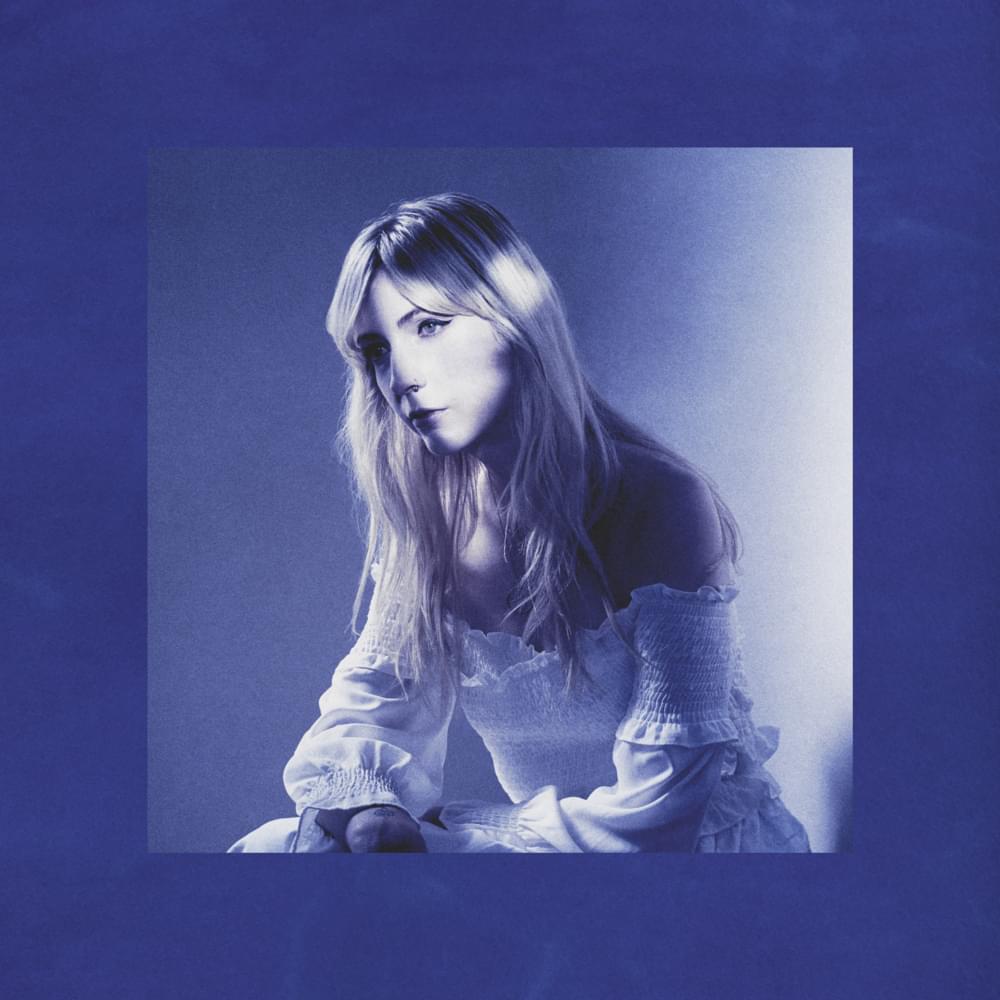
 View Artist