Song Meaning
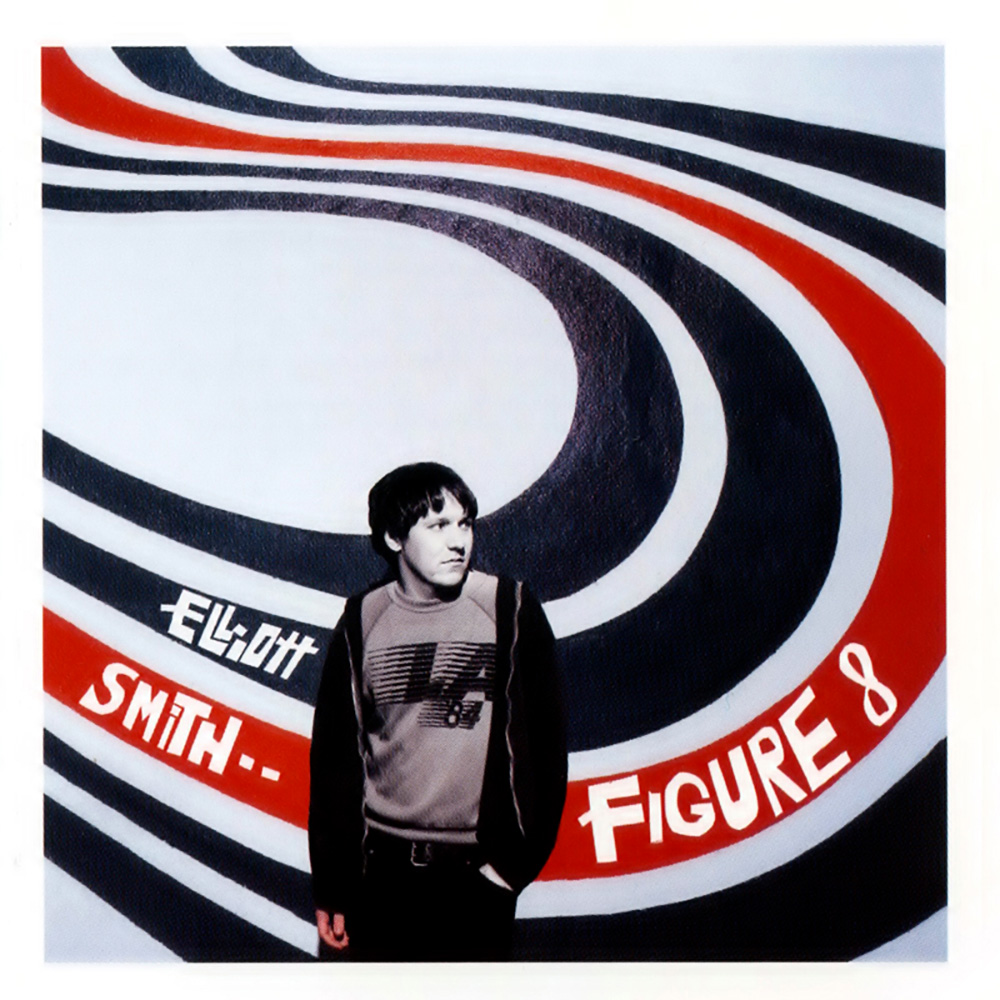
Elliott Smith's "Wouldn't Mama Be Proud" drips with the sardonic unease that defined so much of his work. The song isn't a celebration of achievement, but rather a question posed to a phantom mother figure, dripping with irony. The protagonist seems to be navigating a world of compromised ideals, symbolized by the "silver lining in the corporate cloud" and the promotion to "NCO of the great pretender." It's a world where success feels tainted, perhaps even a betrayal of some earlier, purer self. The repeated question becomes less about seeking validation and more about highlighting the hollowness of the validation itself. Is this what "Mama" wanted? Is this what constitutes a life well-lived?
The second verse introduces a surreal, almost dreamlike scenario: ordering from a "heavenly host" on a jet stream. This could represent the allure of escape and the seductive nature of a superficial, transient existence. The pressure to decide quickly, "'cause we're almost there,", adds to the anxiety, suggesting a fear of commitment or a lack of genuine direction. Are these the trappings of success, or another form of existential entrapment? The bridge, with its ominous "sky gone black," offers a cryptic message: "Kid, you're on the right track." This could be interpreted as a darkly humorous acceptance of a doomed path, or perhaps a genuine moment of clarity amidst the chaos.
Ultimately, "Wouldn't Mama Be Proud" grapples with the tension between personal integrity and societal expectations. The postcards from "the side of the road" and "photographs of moving parts about to implode" paint a picture of a life lived on the fringes, constantly on the verge of collapse. The desire to "transmit the moment from me to you" suggests a yearning for connection and understanding, even as the protagonist seems to be drifting further away from any sense of groundedness. The repeated refrain, "Wouldn't Mama be proud?", echoes with increasing desperation, hinting at a deep-seated fear of disappointing a maternal figure, or perhaps, of disappointing himself.
 View Artist