Song Meaning
Elliott Smith's "Strung Out Again" isn't just a song; it's a psychic autopsy. The track delves into the self-loathing core of addiction, but with Smith's signature poetic twist. The opening lines, "You get what you see/ I saw a rich fuck given charity/ Saw an evil emperor wearing my clothes," immediately establishes a world warped by injustice and personal inadequacy. It's a cynical take on power dynamics, where the undeserving prosper while the speaker feels stripped bare, his very identity usurped. The reference to an "evil emperor wearing my clothes" suggests a deep-seated anxiety about authenticity and the feeling of being exploited or misrepresented.
The chorus, stark and brutal, provides the song's emotional anchor: "I know my place/ Hate my face/ I know how I begin/ And how I'll end/ Strung out again." This isn't just about drug use; it's about a premonition of a predetermined, bleak fate. The self-awareness is crushing. Smith isn't romanticizing addiction; he's dissecting the despair that fuels it. The phrase "Hate my face" goes beyond mere vanity. It speaks to a profound disconnect between the internal self and the outward presentation, a common symptom of deep-seated psychological distress.
The second verse introduces surreal imagery – "a parliament of owls" flying over a city of canals, "floating in the Dalles." This dreamlike sequence underscores the disorienting effects of addiction and the feeling of being adrift, disconnected from reality. The line "But some things they just change invisibly" hints at the insidious nature of addiction, how it subtly alters perception and erodes the self. The outro, with its vision of "standing, smiling on some fantasy island," offers a fleeting glimpse of escape, only to be swallowed by the encroaching tide of relapse: "a tide's coming in/ And I'm strung out again." The song meaning isn't a simple tale of woe, but a sophisticated portrait of the cyclical nature of addiction and the struggle for self-acceptance within a broken world. The lyrics analysis reveals a potent blend of personal torment and social critique, making "Strung Out Again" a hauntingly resonant work.
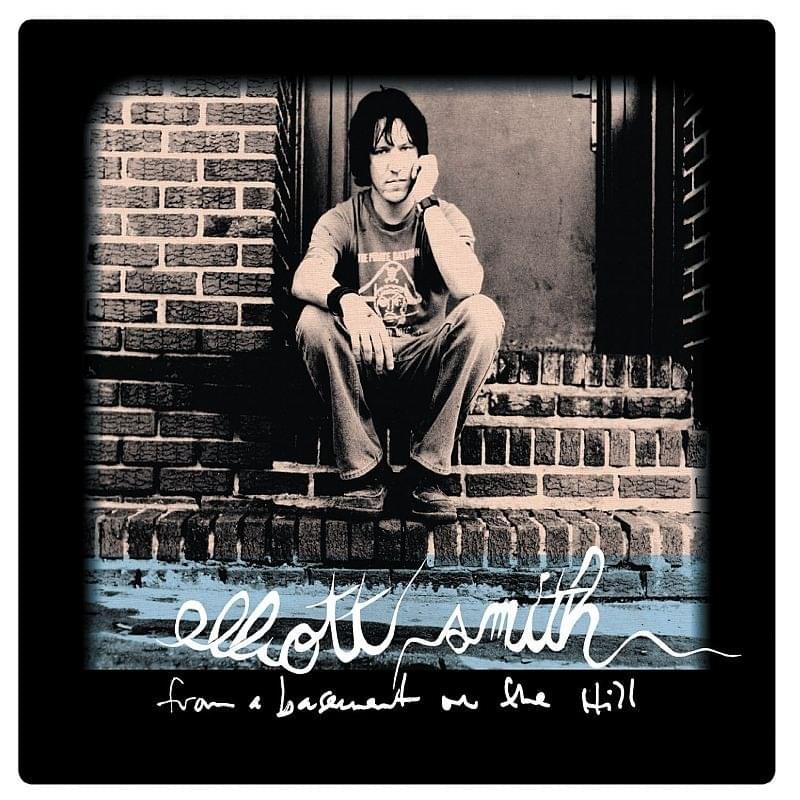
 View Artist