Song Meaning
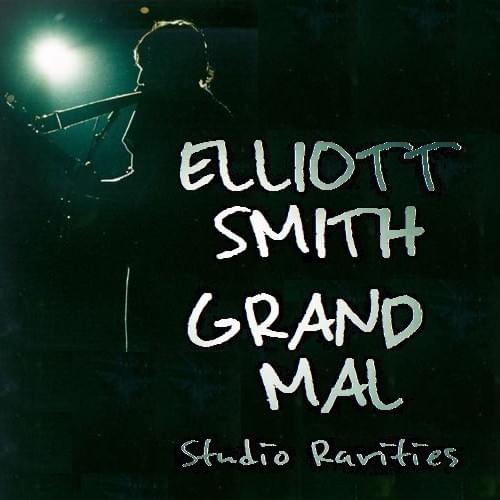
Elliott Smith's "Speed Trials" (with alternate lyrics) is a masterclass in veiled anxiety, a sonic exploration of being trapped in cycles of self-destructive behavior and the isolating nature of addiction. The opening lines paint a surreal image: a meeting "underneath the horse / In the cathedral with the glass stained black." This immediately establishes a sense of distorted grandeur, of finding oneself in a corrupted sacred space. The "sweet, high notes that echo back / To destroy their master" hint at a rebellion, perhaps against the self, or against the forces that perpetuate the cycle of addiction. The "master" could be interpreted as the addiction itself, or the internal voice that drives the destructive behavior.
The chorus, with its repeated line "It's just a brief smile got stuck on your face / You're running speed trials all over the place," is particularly haunting. The "stuck" smile suggests a forced facade, a desperate attempt to mask the inner turmoil. The phrase "speed trials" is a potent metaphor for the frantic, reckless pursuit of fleeting moments of pleasure or escape, a relentless chase that ultimately leads nowhere. The second verse continues this theme of self-deception and denial. The lines "When the socket's not a shock enough / But you're a child because you think you're tough" expose the vulnerability beneath the surface. The subject believes they are resilient, but in reality, they are acting out of a place of deep insecurity.
The image of a "pinball" is also telling, suggesting a lack of control and direction, bouncing from one experience to another without any real purpose. The line "He's gonna keep on coming back to you" implies an inescapable pattern, a magnetic pull towards self-destruction. The repetition of the chorus reinforces the sense of being trapped in this cycle. Smith doesn't offer easy answers or resolutions in this lyrics analysis. Instead, he presents a raw, unflinching portrait of the human condition, grappling with the complexities of addiction, self-deception, and the search for meaning in a world that often feels chaotic and overwhelming. The outro, with its simple "Ooh, ooh," provides a moment of quiet resignation, a gentle acknowledgement of the pain without judgment or condemnation.
 View Artist