Song Meaning
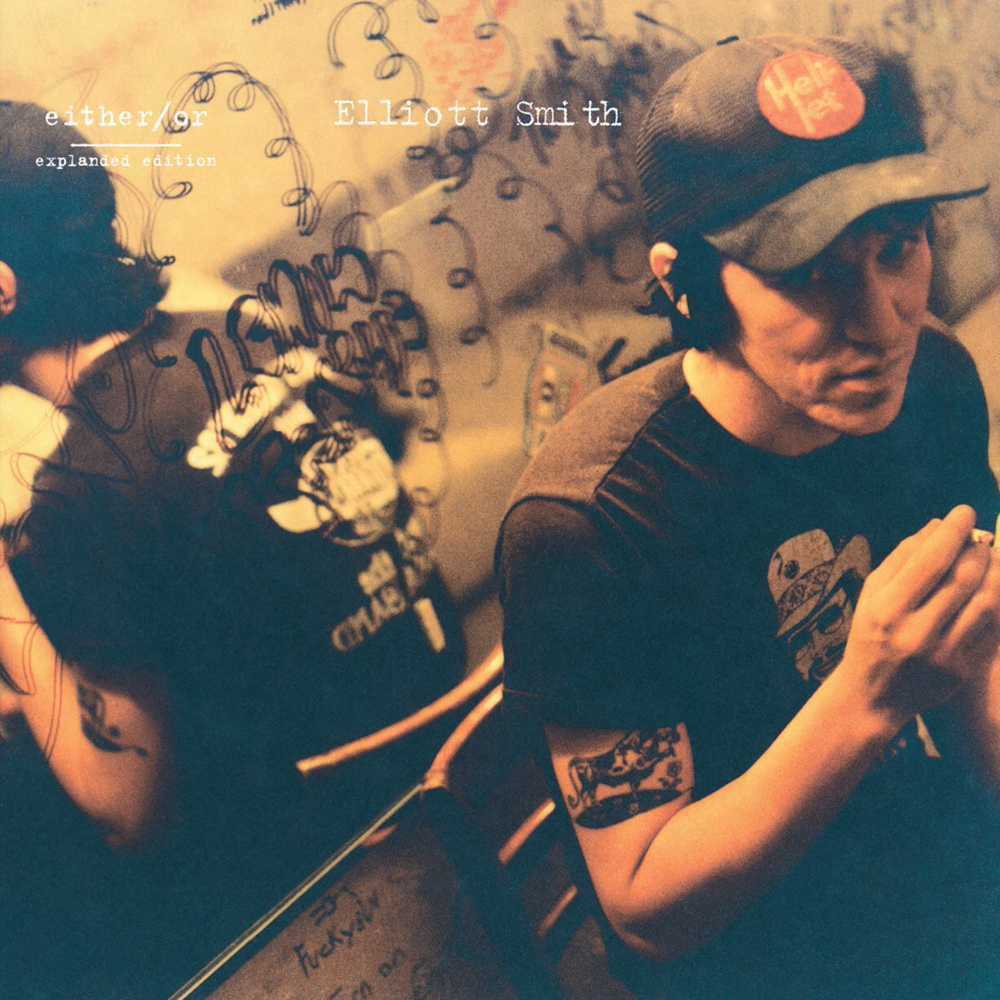
Elliott Smith's "Some Song (Live)" is a brutal, unflinching snapshot of addiction, abuse, and the slow-motion agony of self-destruction. The song's power lies not in elaborate storytelling, but in its raw, fragmented imagery, painting a portrait of someone trapped in a perpetual cycle of trauma and decay. The opening lines immediately plunge us into a world of "junkie dream[s]" and the unsettling feeling that "it's Halloween tonight and every night," a suggestion of constant masquerade and lurking horror. The subject is physically and emotionally scarred ("scratch your skin, your sandpaper throat"), reduced to a repetitive, almost nihilistic existence: "a symphony, man, with one fucking note." This isn't just about substance abuse; it's about a fundamental brokenness. The casual reference to serial killer John Wayne Gacy paints a picture of a mind saturated with darkness and violence.
The specter of childhood trauma looms large, with the line "Charlie beat you up week after week / And when you grow up, you're going to be a freak." This suggests a direct link between past abuse and present-day self-destructive tendencies. The desire for a "violent girl that's not scared of anything" hints at a yearning for someone who mirrors the internal chaos and pain, someone who can validate and perhaps even exacerbate the existing wounds. The repeated plea to "help me kill my time / 'Cause I'll never be fine" is the song's core lament, a desperate cry for escape from an unbearable present and a hopeless future. It's a resignation to the idea that healing is impossible, and the only recourse is to numb the pain.
The imagery of "old Dallas town" as a place where "you must be sick just to hang around" evokes a sense of geographic and spiritual desolation. The lines about seeing "how to kill your man" on TV and the "Gacy's scene, a canvas in your head" are particularly disturbing, suggesting a dangerous blurring of reality and fantasy, a potential for violence lurking beneath the surface. The mention of the mother searching in "the jail and the army and the hospital, too" highlights the desperation and futility of trying to save someone who is actively choosing self-destruction. Ultimately, "Some Song (Live)" is a bleak, haunting exploration of the long-term consequences of trauma and the isolating nature of addiction. Elliott Smith doesn't offer easy answers or redemption; he simply presents the brutal reality of a life consumed by pain and despair.
 View Artist