Song Meaning
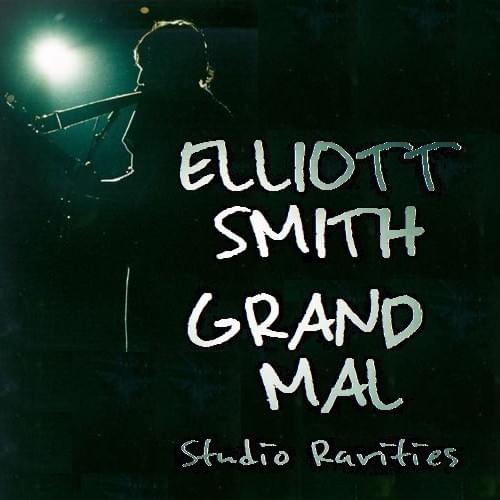
Elliott Smith's "Punch and Judy" (alt lyrics) presents a fractured tableau of a relationship decaying in plain sight. The opening image, "A wallpaper Punch talks to Judy," immediately sets a tone of domestic confinement and performative interaction. These aren't characters living; they're figures plastered onto a backdrop, their dialogue overheard but not truly understood by the casual observer. The line "they're gonna go say the words in the wrong order again" hints at a repetitive, dysfunctional cycle, a script gone awry. This isn't a fresh argument but a tired rehash, performed for an audience that's both present and indifferent. The song meaning, at its core, wrestles with the disintegration of connection.
The verses paint a picture of alienation within a familiar landscape. The couple's "walk in a circle" through "sidewalk scenes" they once belonged to underscores a sense of displacement. The world hasn't changed, but their relationship to it has. The line "everybody just stares and whispers" evokes a feeling of being judged and exposed, adding to the pressure and isolation. Smith's personal aside, "I used to like it here / It just bums me out to remember," suggests a broader disillusionment, perhaps projecting his own feelings of change and loss onto the scene. The setting of Division Street, though geographically specific, becomes a symbolic space for a fractured community and eroding personal history.
The chorus, "Can't be careful when you're giving advice / Dreaming; you don't even know what you like," offers a cynical commentary on self-awareness and the futility of guidance. It suggests that both Punch and Judy are lost, not only to each other but also to themselves. They are trapped in a dream state, unable to articulate their desires or provide meaningful support. The final verse, with its image of drawing curtains and waiting for a call, reinforces the themes of isolation and desperate hope for connection. The line "pretty lucky if they get any kind of response at all" encapsulates the pervasive sense of abandonment and the fading possibility of reconciliation. Ultimately, "Punch and Judy" is a poignant exploration of relational breakdown, rendered with Smith's characteristic lyrical precision and emotional depth.
 View Artist