Song Meaning
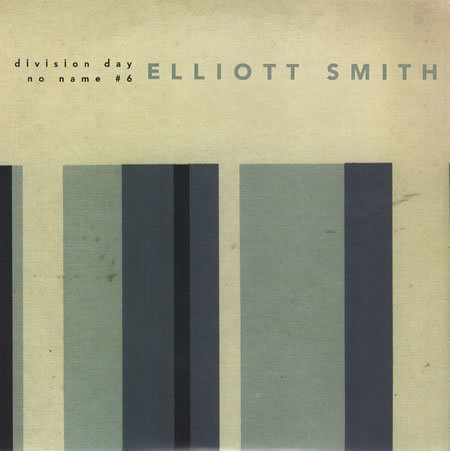
Elliott Smith's "No Name #6" isn't a straightforward narrative; it's a mood piece, a fleeting snapshot of delusion and the ever-present threat of collapse. The opening lines immediately establish a sense of fabricated reality: "You've got the wrong equation / Your figures fell so you make more up." Someone is actively constructing a false narrative, perhaps to maintain a facade of success or simply to avoid confronting a painful truth. This echoes a common psychological defense mechanism, where individuals distort reality to protect themselves from anxiety or distress. The forced optimism ("All smiles and celebration") only underscores the underlying instability. The repeated mantra, "This time we can't lose," becomes less a statement of confidence and more a desperate, almost pathetic, attempt at self-persuasion.
The imagery shifts to a road trip, a classic trope for escape and freedom. However, even here, the beauty is muted ("pushing ninety through a pretty picture plain / With the sound turned down"). The muted sound suggests a disconnection from genuine experience, a further layering of artifice. The idyllic landscape of "cows and cotton" contrasts sharply with the awareness that even under a canopy of stars, vulnerability persists. This tension between perceived freedom and underlying anxiety is central to understanding the song meaning.
The final verse brings the illusion crashing down. The "sickle shape" moon, a symbol often associated with harvest or endings, foreshadows an impending reckoning. The admission, "you're only really happy just for now," acknowledges the temporary nature of the delusion. The cityscape, rather than offering promise, becomes a predatory force: "there's a planet that'll catch you and drag you back down." This "planet" represents the inevitable return to reality, the consequences of fabricated happiness. The repetition of "This time we can't lose" devolves into a hollow echo, stripped of all conviction, leaving only the stark, final admission: "Can't lose / Can't lose," hinting at a resignation to fate, or perhaps a veiled acceptance of an inevitable downfall.
 View Artist