Song Meaning
Elliott Smith's "Bled White" (alt version) is a haunting exploration of disillusionment and the struggle to find meaning in a world that feels drained and devoid of color. The repeated "White city on the 409" lyric functions almost as a mantra, grounding the song in a specific, yet unnamed, location that seems to represent a state of stagnation or decay. The "glow at the border" hints at a potential escape or a promise of something better, but it's quickly juxtaposed with the reality that "the city's been bled white," suggesting a loss of vitality and hope. This "white" motif extends beyond the geographical, becoming a descriptor of a psychological state – a feeling of being washed out and emotionally depleted.
The lyrics paint a picture of someone caught in a cycle of waiting and seeking solace in fleeting highs. The lines "I wait for the 14 / And I wait for the 409 / In a yesterdaydream / On a nicotine high" evoke a sense of restlessness and a yearning for something more, while the act of dragging the sunset down to paint the town suggests a desire to infuse color and life into an otherwise bleak environment. The phrase "poor white" likely refers not only to economic circumstances but also to a broader sense of being marginalized and stripped of agency.
The introduction of another character who "thinks I feel the same" highlights the singer's internal conflict. While seemingly projecting an outward appearance of despair, there's an underlying resilience, a refusal to succumb entirely to the prevailing negativity. The lines "happiness pulls me, a lie to a rapture / Coming to buy a new sweat to feel the pain" suggest a conscious decision to engage with life, even if it means embracing discomfort. The final verse, with its defiant "Don't you dare disturb me," underscores a determination to confront the past and find a sense of balance, even in the face of profound emotional wounds. The repetition of "Poor white" at the song's conclusion serves as a poignant reminder of the vulnerability and fragility that underlies this struggle for self-preservation.
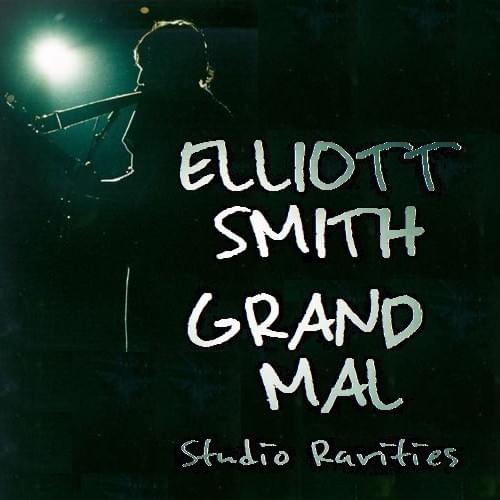
 View Artist