Song Meaning
The narrator reflects on a past relationship, recalling a specific piece of advice given long ago: that true love waits. This memory now clashes with the present reality, which feels disorienting and uncertain, prompting a question of personal recovery. The lyrics paint a picture of emotional distance, with the narrator remembering a time when their partner declared they lived in "two different worlds," a stark contrast to the vows of love that were once exchanged. This recollection fuels a present doubt about whether those promises are even remembered.
The core tension lies in the lingering echoes of past affection versus the current inability to connect or even recognize the person they once loved. The narrator grapples with the disconnect, questioning the very foundation of how to approach or feel love for someone who seems so fundamentally changed or distant. This internal struggle is amplified by the memory of the partner's earlier words, which now seem to mock the present situation.
The most striking element is the stark, almost resigned refrain: "How to look at you anymore? / How to love you anymore? / I’m not looking for you anymore..." This repetition isn't just a statement of fact; it’s a dismantling of the past. The shift from remembering past advice and declarations to this definitive, threefold negation signifies a profound emotional closure, or perhaps a forced acceptance of an unbridgeable gap. The repeated questions highlight the paralysis before the final, decisive act of ceasing the search.
This lyrical construction is effective because it mirrors the painful process of letting go. The initial verses are steeped in nostalgic regret and confusion, creating empathy for the narrator's disorientation. The subsequent questions build a palpable sense of internal conflict, making the final, simple declaration of "Nu te mai caut" (I’m not looking for you anymore) land with immense weight. It’s the quiet, devastating endpoint of a love that no longer recognizes itself.
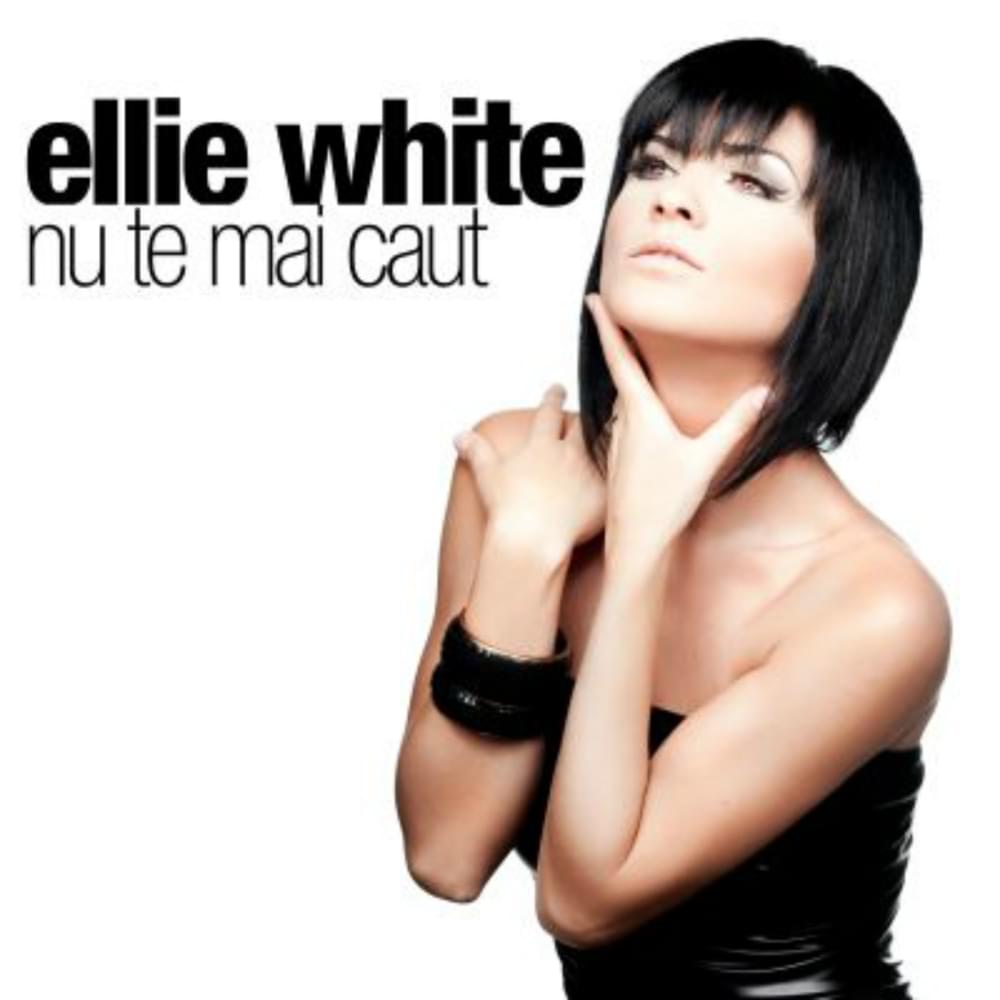
 View Artist