Song Meaning
The lyrics paint a picture of a clandestine encounter, or at least a deeply personal, hidden interaction, framed by the narrator's "palais secret." The opening address, "Vous, le fils d'Europe," immediately establishes a sense of distance and perhaps a specific, almost archetypal, recipient for the narrator's message. The parenthetical interjections, like "Pourquoi notre vous pas" and "Je sers à la mariée," suggest unspoken context or internal dialogue, hinting at a complex situation where the narrator's role and desires are perhaps misunderstood or unacknowledged by this "son of Europe."
The central tension seems to lie in the narrator's assertion of identity and agency against a backdrop of perceived societal or personal roles. The stark declaration, "Je suis femme, comprenez vous?" (I am a woman, do you understand?), is a powerful plea for recognition, cutting through the implied formality or distance of the address. This directness contrasts sharply with the more veiled setting of the "palais secret" and the narrator's seemingly subservient role in the parenthetical "Je sers à la mariée" (I serve the bride).
The imagery of passing by a café, "Je passe devant votre café," grounds the abstract address in a tangible, everyday scene, suggesting a moment of decision or observation before the narrator makes their call. The repetition of "Vous, le fils d'Europe" reinforces the specific, perhaps even symbolic, nature of the person being addressed, while the final "je vous appelle…" (I call you…) leaves the ultimate intention hanging, full of potential and unresolved emotion. The lyrics create an atmosphere of intimate, yet guarded, communication, where identity and desire are asserted in a space that is both personal and concealed.
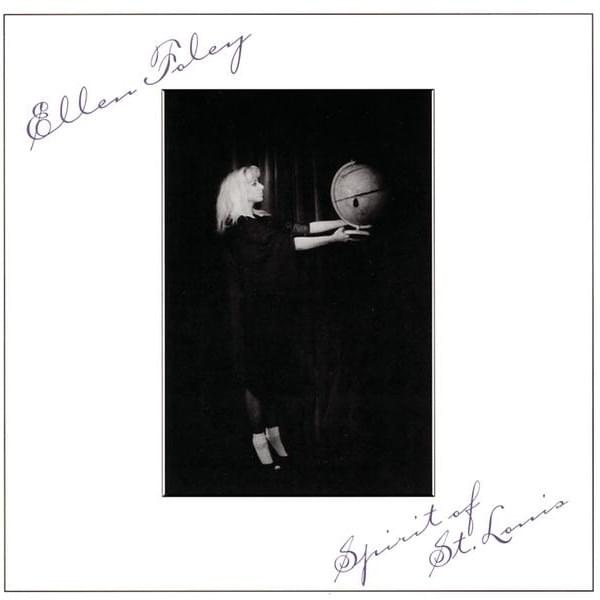
 View Artist