Song Meaning
The lyrics paint a stark picture of a relationship trapped in a cycle of deceit and reconciliation. The opening lines immediately establish a pattern: lying, getting caught, fighting, making amends, and then lying again. This relentless repetition underscores the narrator's self-awareness of their destructive behavior, a behavior they acknowledge is obvious to any observer. The phrase "Any fool can see" becomes a recurring, almost desperate plea, highlighting the painful gap between what is evident to everyone else and what the couple seems incapable of acting upon.
The central tension lies in the disconnect between the undeniable mutual love and the persistent, self-sabotaging actions. The narrator states plainly, "I love you and you love me," yet this truth is constantly undermined by their inability to break free from their destructive patterns. The admission, "We were wrong / Both of us knew / For too long," points to a shared complicity in maintaining this flawed dynamic. They "played along / Silent and strong," choosing a comfortable, albeit wrong, status quo over the difficult work of genuine change.
The most striking aspect of the writing is the persistent, almost taunting refrain of "Any fool can see." This phrase acts as both an accusation and a confession. It suggests that the couple's struggles are not complex or hidden, but rather glaringly obvious. The final stanza offers a glimmer of hope, with the narrator waking from a dream of lost love to the tangible reality of their partner sleeping beside them. This moment of quiet intimacy, "I breathe with you," seems to offer a potential anchor, a reason to finally "see" and act on the love that is so apparent.
Ultimately, these lyrics resonate because they capture the frustrating paralysis that can grip even the most loving relationships. The writing effectively uses repetition and direct, almost blunt statements to convey the pain of knowing better but being unable to do better. The repeated question, "Why can't we," hangs in the air, a poignant expression of helplessness in the face of self-inflicted emotional turmoil, even when the solution seems blindingly clear to everyone but themselves.
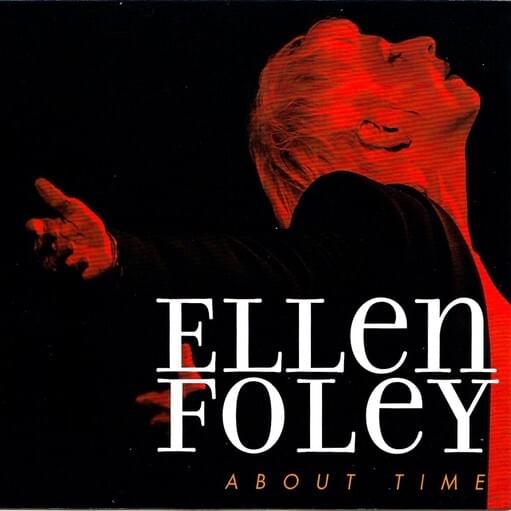
 View Artist