Song Meaning
The narrator expresses a profound yearning for a world stripped bare of modern, destructive elements. The core desire is for a planet devoid of both vehicular transportation and armed conflict, a stark contrast to the reality they inhabit. This wish is presented with a simple, almost childlike directness, highlighting the intensity of the longing.
The central tension lies in the stark opposition between the imagined utopia and the implied present. The repetition of "no wars, no cars" hammers home the specific grievances, suggesting that these two issues are paramount in the narrator's mind. It's a plea for a fundamental reset, a return to a state of peace and perhaps simplicity.
The most striking craft element is the insistent, almost mantra-like repetition of "no wars, no cars." This isn't just a casual mention; it's a rhythmic insistence that builds the emotional weight of the wish. The phrase "I Wish it could be true" acts as the emotional anchor, a fragile hope tethered to the repeated negation of societal ills.
This lyric's effectiveness stems from its directness and the powerful, albeit simple, imagery it conjures. By focusing on the absence of cars and wars, the narrator creates a potent picture of an idealized, peaceful existence. The straightforward delivery makes the underlying desire for a better world feel both personal and universally understood.
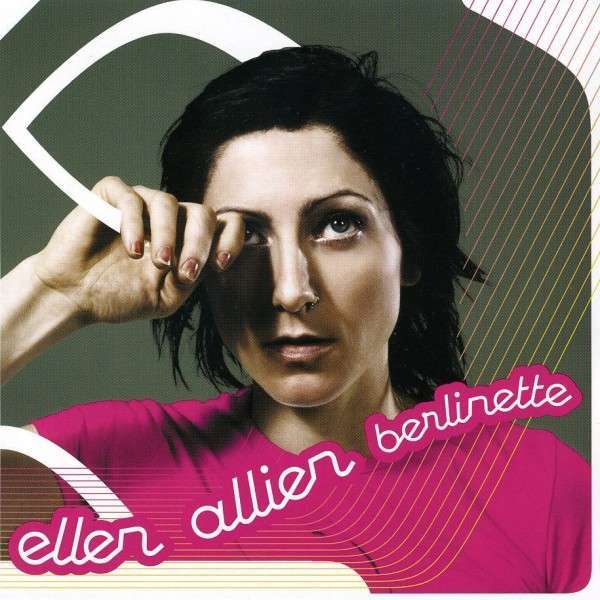
 View Artist