Song Meaning
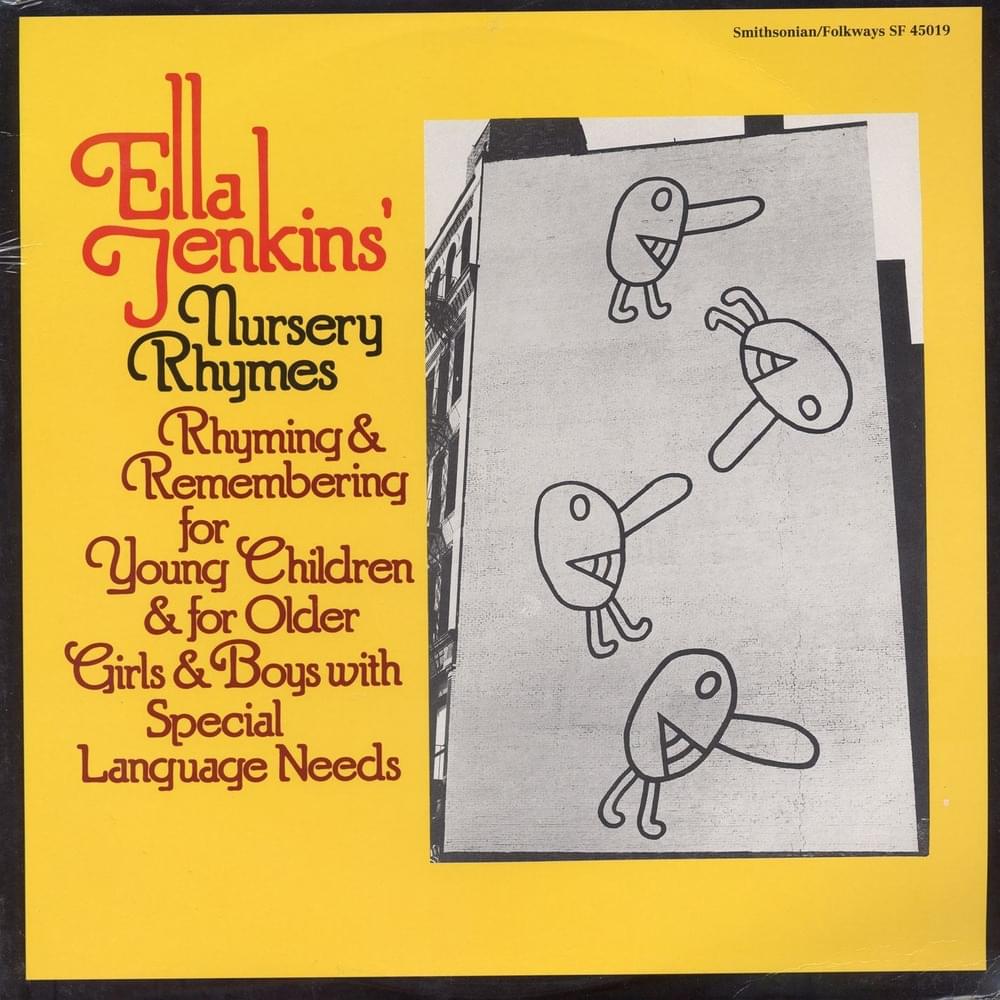
Ella Jenkins' rendition of "Old Mother Hubbard" isn't just a nursery rhyme; it's a stark, miniature morality play disguised as children's entertainment. On the surface, it's a simple tale of unmet needs: a loyal dog expects sustenance, and Old Mother Hubbard, presumably its caretaker, attempts to provide. The cupboard's emptiness, however, delivers a sharp lesson about scarcity, responsibility, and perhaps, the failure of societal structures to provide for those dependent on them. The repetition reinforces the disappointment, turning a fleeting moment into a cyclical struggle. Is Old Mother Hubbard neglectful, or a victim of circumstance herself? The lyrics offer no easy answers, leaving the listener to ponder the deeper societal implications embedded within this seemingly simple scenario.
Beyond the immediate narrative, the song's enduring appeal lies in its capacity to evoke a primal anxiety: the fear of emptiness, of unmet needs, of promises broken. The image of the 'bare cupboard' is a potent symbol, representing not just a lack of food, but a lack of resources, security, and even love. The 'poor dog,' with its unfulfilled expectation, becomes an emblem of vulnerability and dependence. Jenkins' straightforward delivery, devoid of sentimentality, only amplifies the underlying unease, transforming a children's rhyme into a meditation on the precariousness of existence. The starkness of the narrative leaves room for interpretation, suggesting that the cupboard can be bare for a multitude of reasons, some within our control and others beyond it.
Ultimately, the song meaning of "Old Mother Hubbard," especially as interpreted by Ella Jenkins, transcends its simplistic structure. It's a miniature study in disappointment, societal obligation, and the ever-present threat of scarcity. The song's focus isn't just on the dog's empty belly, but on the systemic issues that lead to such a predicament. It is a question of how we care for those who depend on us, and what happens when the systems in place fail to provide. This makes it a relevant piece not just for children, but for anyone grappling with questions of responsibility and societal wellbeing.
 View Artist