Song Meaning
The lyrics immediately drop us into a scene of exasperated questioning, as the speaker repeatedly asks, "Why can't you behave?" It's a direct, almost childlike plea that quickly establishes a tone of frustration and persistent longing for stability.
This central tension arises from a clear sense of betrayal; the speaker points to "the promises that you gave" as a foundation for their expectations. The repeated query, "Why can't you be good?" underscores a desire for a fundamental shift in the other person's conduct, implying a pattern of disruptive behavior.
The most jarring and emotionally resonant line arrives with the plea, "So your baby can be your slave?" This isn't just a request for compliance; it's a shocking declaration of willingness to completely submit, revealing a profound, perhaps desperate, devotion. It suggests the speaker is willing to sacrifice their own autonomy if only the partner would finally conform to their idea of "good."
Amidst this emotional turmoil, the lyrics introduce a vivid, pastoral fantasy: "There's a farm I know near my old home town / Where we two can go and try settling down." This idyllic vision of peace and domesticity, where the speaker promises to "care for you forever," is a stark contrast to the current chaos. Yet, this dream is immediately undercut by the return of the central question, emphasizing the speaker's trapped state.
The effectiveness of these lyrics lies in this stark juxtaposition: a simple, almost childish complaint escalating to a desperate offer of subservience, all while holding onto a clear, yet unattainable, vision of domestic bliss. The relentless repetition of the core question makes the speaker's emotional loop palpable, leaving the listener with a sense of unresolved longing and the heavy weight of broken promises.
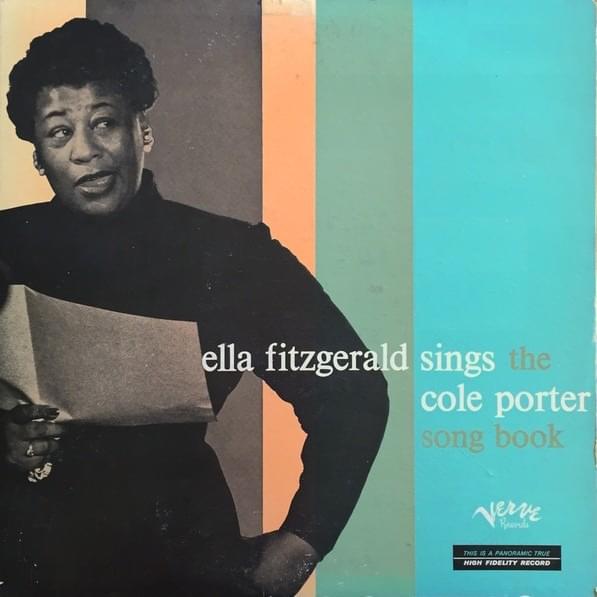
 View Artist