Song Meaning
This song paints a stark picture of dependency, where the narrator's entire sense of time and being hinges on another person's presence. The opening lines immediately establish a feeling of emptiness, a "void, an empty space" that defines existence when the beloved is absent. This isn't just sadness; it's a complete suspension of normal life, where "no night, no day" can exist without them.
The central tension lies in this profound, almost existential reliance. The narrator's world literally grinds to a halt when separated, as the bridge powerfully illustrates with the "world stops turning, the clock stops ticking." This hyperbole underscores the depth of their emotional dependence, suggesting that their personal reality is entirely dictated by the presence or absence of this one individual. It's a desperate plea, a confession of an all-consuming need.
The most striking aspect of the lyrics is the personification of this absence as a "lull." This word, typically suggesting a temporary quiet or pause, is elevated here to signify a complete cessation of life's rhythm. The repetition of "lull in my life" throughout the verses and outro emphasizes this state of suspended animation. The "flame in my heart" that keeps "burning, burning" contrasts with this stillness, suggesting an internal, unquenchable longing that persists even as the external world seems to freeze.
Ultimately, the effectiveness of these lyrics comes from their raw, unvarnished portrayal of absolute emotional dependence. The narrator isn't just missing someone; their entire perception of reality is fractured without them. The simple, direct language and the consistent focus on this singular void make the feeling of desperate longing palpable and intensely personal.
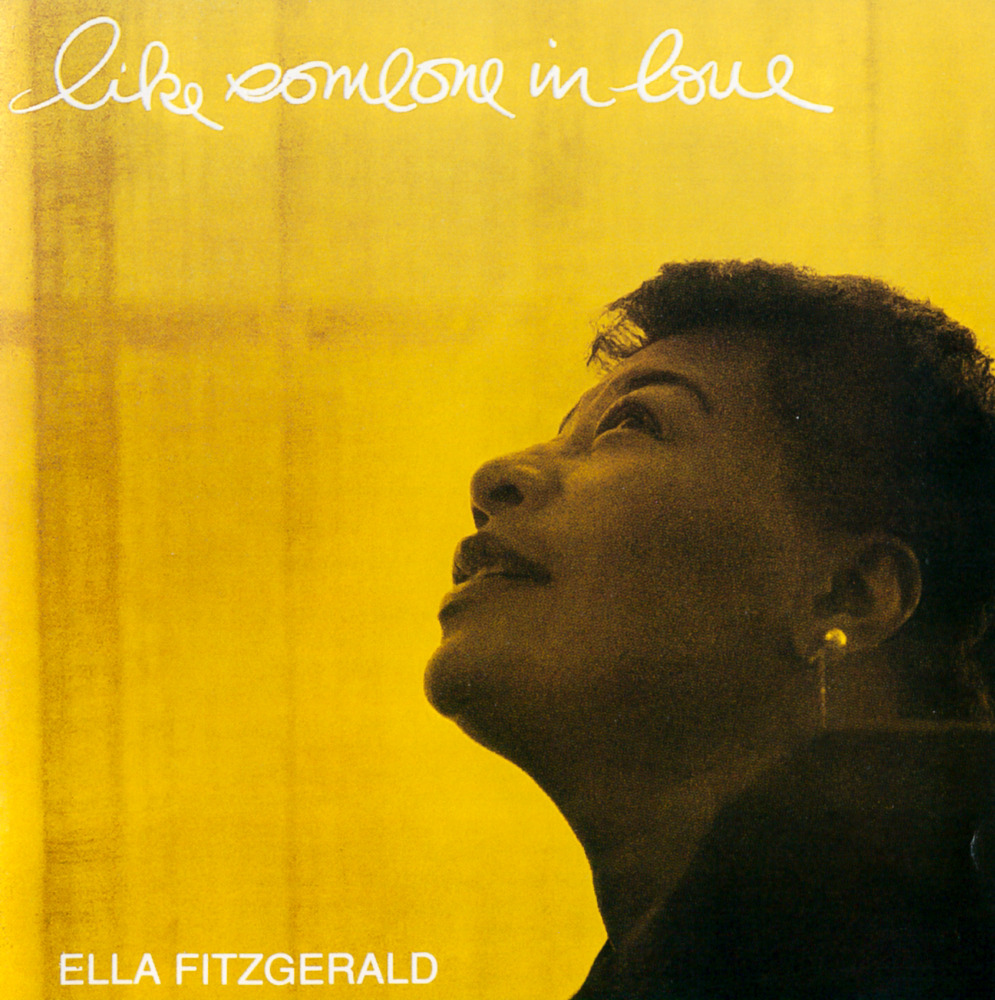
 View Artist