Song Meaning
The narrator expresses a profound yearning for a state of pure idleness, a stark contrast to the demands of daily life. The opening lines immediately establish this desire: "I wanna be lazy / I long to be out in the sun / With no work to be done." This isn't just a casual wish; it's a deep-seated longing for a release from obligation, a desire to simply exist and observe the world without the pressure to participate or produce.
The core tension lies between this idealized state of leisure and the implied reality of a life filled with "work to be done." The lyrics paint a picture of escape, seeking refuge "under that awning / They call the sky," a poetic way of describing the vastness of nature as a protective, unburdened space. The act of "stretching and yawning" and letting "the world go drifting by" emphasizes a surrender to the present moment, a deliberate shedding of responsibility and ambition.
What's particularly effective is the imagery of childlike regression and intellectual escape. The narrator wants to "peep through the deep / Tangled wildwood" and "count sheep 'til I sleep / Like a child would," invoking a sense of innocence and uncomplicated rest. This is paired with a "great big valiseful / Of books to read," suggesting that even in this state of ultimate relaxation, there's a desire for gentle engagement with knowledge, but on the narrator's own terms, free from any sense of urgency or task.
Ultimately, the lyrics resonate because they articulate a universal fantasy: the desire to pause, to disconnect, and to simply *be*. The repeated phrase "Being lazy" acts as a mantra, reinforcing the central theme and the profound appeal of this unadulterated state of rest. It’s a powerful evocation of wanting to reclaim time and space for oneself, away from the relentless pace of the world.
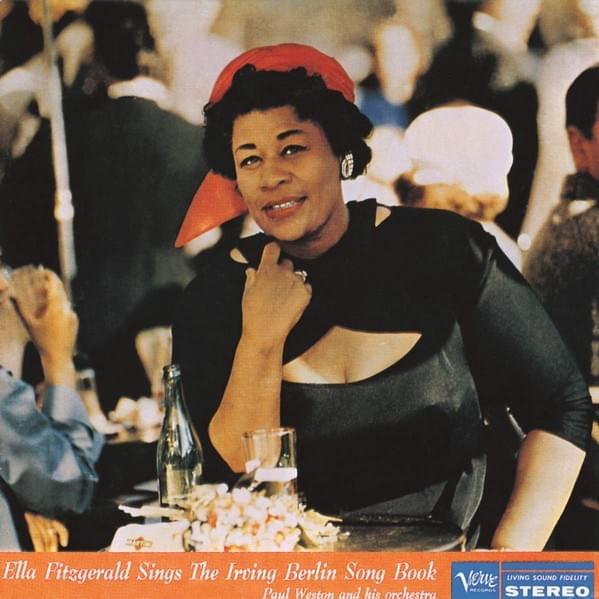
 View Artist