Song Meaning
The narrator lays bare a familiar kind of heartache, one where love feels more like a burden than a blessing. She acknowledges the harsh reality: "Never treats me sweet and gentle / The way he should." This isn't a fairytale romance; it's a raw, unvarnished admission of emotional dependency. The repeated refrain, "I got it bad and that ain't good," acts as a stark, almost resigned, self-diagnosis of a love that’s clearly detrimental.
The central tension lies in the narrator's inability to break free from this unhealthy dynamic, despite her clear-eyed awareness of its flaws. Her "poor heart is sentimental / Not made of wood," suggesting a vulnerability that prevents her from hardening herself to the situation. This internal conflict is amplified by the contrast between the everyday suffering and the fleeting moments of shared indulgence described in the bridge: "we gin some / And pray some / And sin some." These brief respites only seem to underscore the larger pattern of mistreatment.
The lyrics masterfully employ simple, direct language to convey profound emotional distress. The repetition of "I got it bad and that ain't good" functions as a mantra of self-awareness and helplessness. The plea "Lord above me / Make him love me / The way he should" reveals a desperate hope for change, a wish that the object of her affection would align with her own deep-seated needs. This direct address to a higher power highlights the depth of her despair and her feeling of powerlessness.
Ultimately, the song resonates because it captures the painful paradox of loving someone who doesn't reciprocate that love with kindness or respect. The narrator's admission, "I know my heart would never take somebody new," seals her fate, locking her into a cycle of unrequited affection. It's a poignant portrayal of how love, even when recognized as harmful, can become an inescapable part of one's identity.
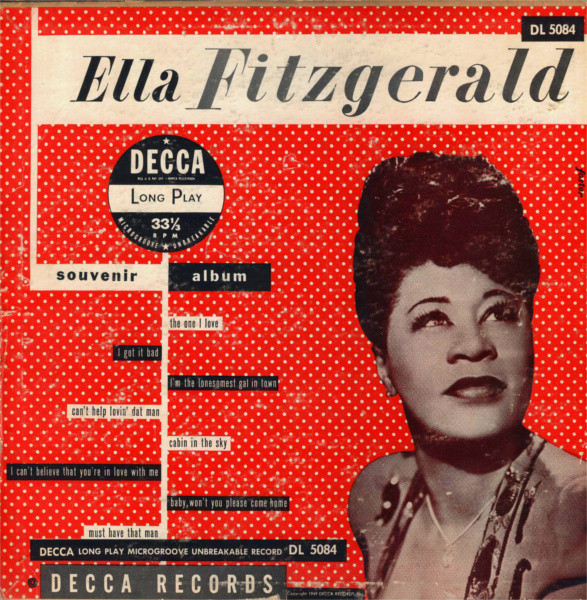
 View Artist