Song Meaning
The lyrics capture the dizzying uncertainty of a new, profound feeling, questioning its authenticity and permanence. The narrator grapples with whether this intense emotion is a fleeting sensation or something substantial, using a series of contrasting questions to explore the ambiguity. It's the kind of doubt that only arises when something feels too good to be true.
This internal debate hinges on a series of dichotomies: earthquake versus shock, real turtle soup versus mock, a cocktail versus the "real McCoy," and a temporary lark versus "all-time." These juxtapositions highlight the narrator's struggle to categorize an experience that defies easy definition. The repetition of these questions, especially the near-identical stanzas, emphasizes the cyclical nature of this doubt, as if the narrator keeps returning to the same unresolved queries.
The most striking craft element is the use of evocative, almost surreal imagery to represent the feeling. Comparing it to "Granada" versus "Asbury Park" offers a vast geographical and cultural leap, suggesting the feeling is both exotic and perhaps mundane, or maybe it's just a grand illusion. This creates a sense of wonder mixed with apprehension, as the narrator tries to ground an experience that feels almost otherworldly.
Ultimately, the lyrics resonate because they articulate a universal human experience: the fear that profound happiness might be illusory. The repeated, almost desperate questioning, culminating in the drawn-out "long, long, long last love," perfectly conveys the anxiety of finally finding something precious, only to fear losing it or realizing it was never real. It's the sound of hope wrestling with skepticism.
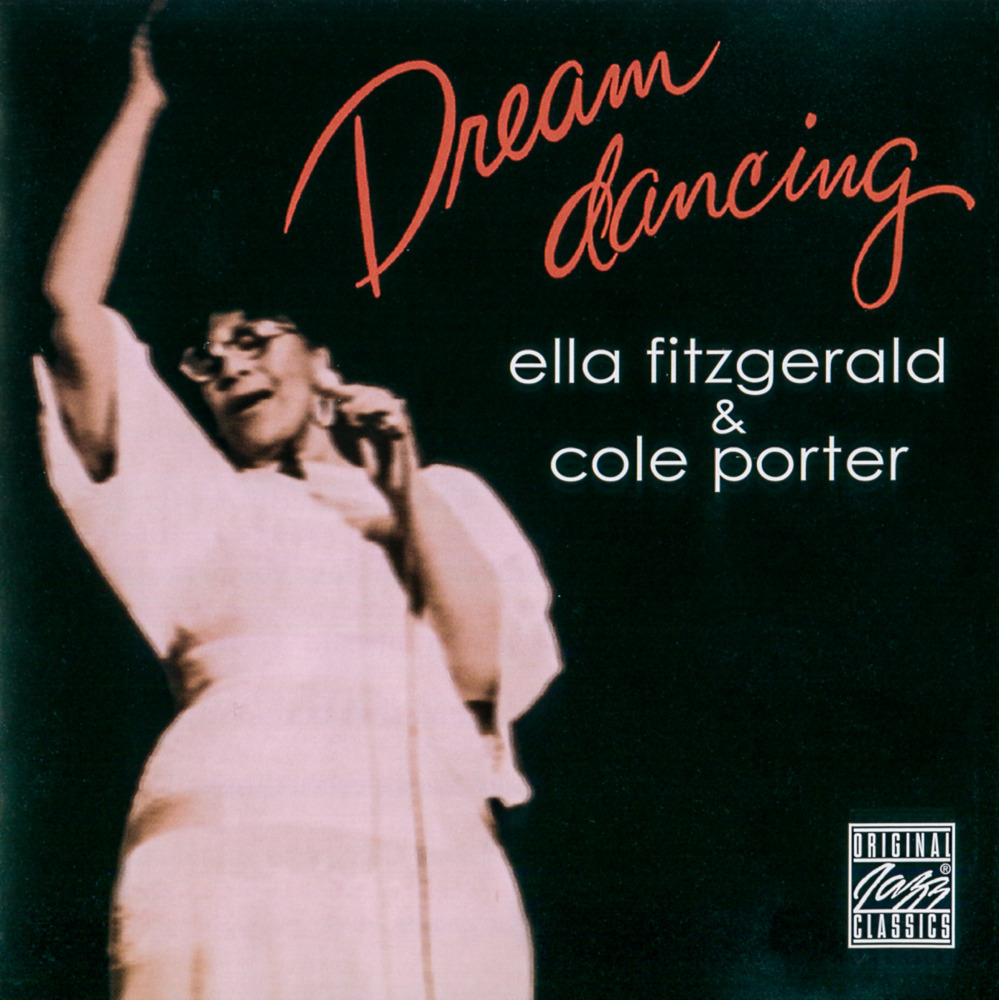
 View Artist