Song Meaning
The lyrics paint a picture of someone grappling with the permanent absence of a loved one, finding solace only in dreams and memories. The initial lines establish a stark reality: "You're gone forever." Yet, this is immediately countered by the persistent presence of "dreams still shower me," suggesting a subconscious refusal to accept the finality of the loss. The narrator anticipates nightly reunions, escaping into a "fairy tale" where the past relationship is resurrected, highlighting the profound disconnect between waking life and the dream world.
The central tension lies in the narrator's struggle to reconcile the irretrievable past with the painful present. While acknowledging the impossibility of return – "I know you won't come back" – the emotional attachment remains potent. The recurring phrase "Sparkle is all I have" underscores the desperate reliance on this idealized, perhaps dream-induced, essence of the past to ward off overwhelming sadness. This "sparkle" is not a tangible thing but a fragile, internal construct.
The craft here hinges on the contrast between the harshness of reality and the ethereal nature of memory and dreams. The image of "magic dust" and "Shining 'I Love You'" transforms the abstract pain into a glittering, almost tangible force. The bridge's repetition of "On cloudy days / When long ago / I'll prefer drops" suggests a preference for dwelling in past sorrows and memories over facing a bleak present, further emphasizing the coping mechanism that "sparkle" represents. The lyrics use this glittering metaphor to represent the fading but still potent remnants of love and happiness.
Ultimately, the effectiveness of these lyrics stems from their raw portrayal of enduring love in the face of absolute loss. The narrator’s admission, "But I still love you," despite the certainty of the loved one’s permanent absence, resonates deeply. The "sparkle" becomes a poignant symbol of hope and remembrance, a way to "Chase away these tears" by holding onto the luminous fragments of what once was, even as the present remains shadowed.
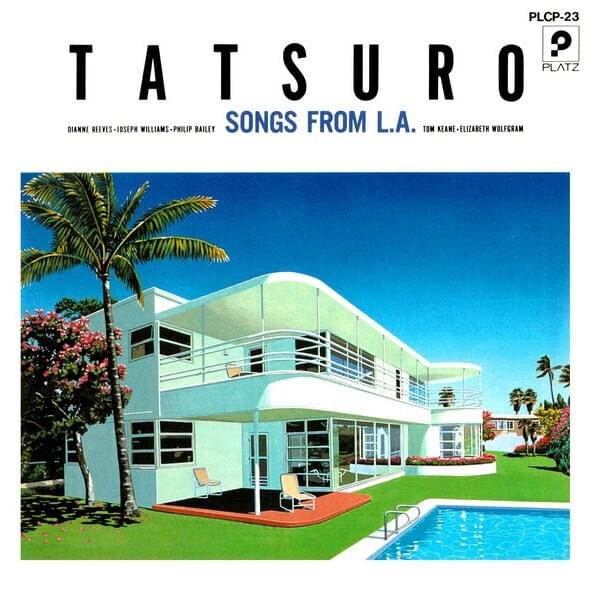
 View Artist