Song Meaning
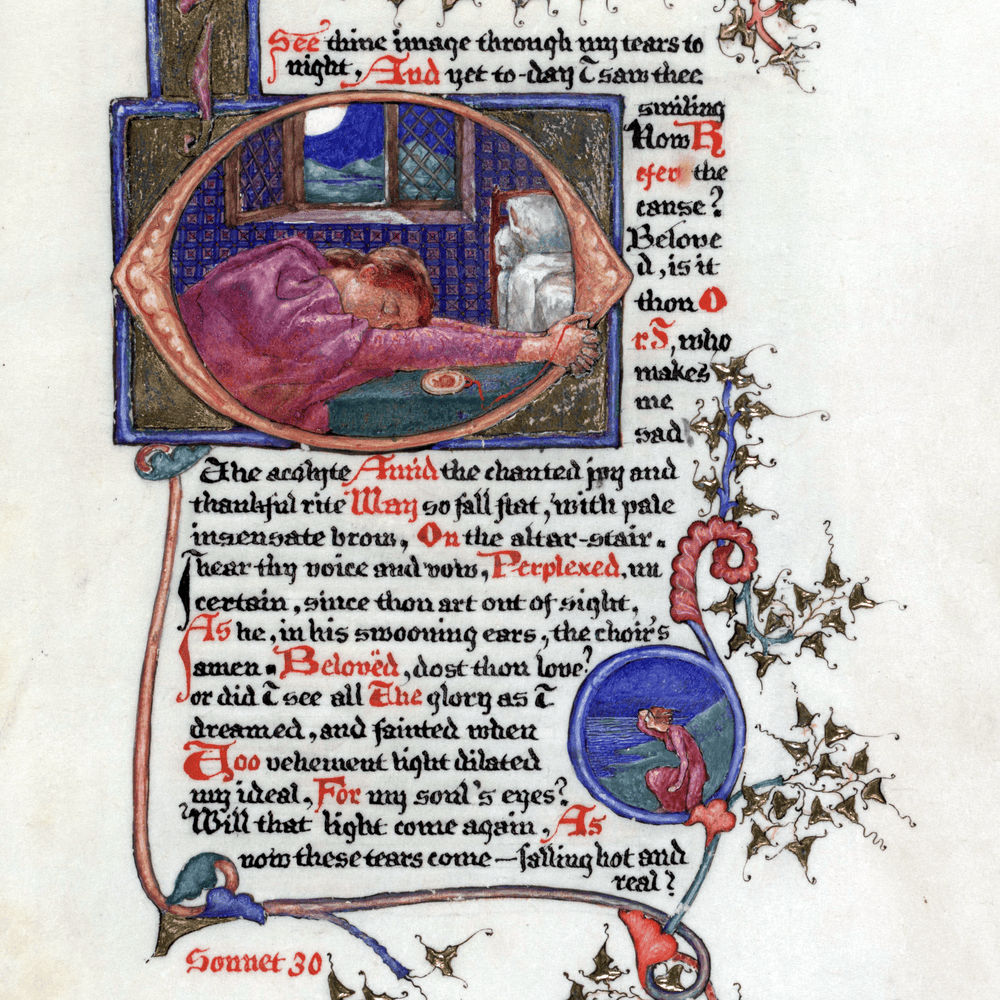
The narrator reflects on the precarious beginnings of a past love, admitting that even at its inception, a deep-seated fear of its impermanence was present. The initial thrill wasn't born of pure joy but a nervous energy, a distrust of anything that seemed too good to be true. This wasn't a naive hopefulness, but a conscious effort to avoid being crushed by potential loss, as indicated by the fear of 'overlean / A finger even.'
This underlying anxiety persists, even though the narrator claims to have found a sense of peace and strength since that time. The lyrics suggest a belief that this fear is divinely ordained, a 'still renewable fear' that Love itself imposes. It's a paradoxical tension: the narrator has grown, yet the core apprehension about the relationship's fragility remains, as if a constant, low-grade hum beneath the surface of their present serenity.
The most striking aspect is the stark imagery of potential decay and loss. The fear isn't just of separation, but of a love that becomes 'unowned thing, once the lips being cold.' This visceral image of a once-shared intimacy turning into something alien and lifeless highlights the profound dread of love's ultimate failure. The final lines twist this further, suggesting a willingness for Love itself to be 'false' if adhering to one promise means sacrificing a fated joy, revealing a complex, almost desperate, calculus of love and loss.
What makes these lines resonate is their unflinching honesty about the psychological toll of loving someone. The narrator doesn't present a simple narrative of overcoming past trauma; instead, they articulate a persistent, almost existential, anxiety about love's inherent vulnerability. The sophisticated language and the sonnet form itself lend a gravitas to this internal struggle, making the fear feel less like a personal failing and more like a fundamental aspect of the human experience of deep connection.
 View Artist