Casa Guidi Windows 2
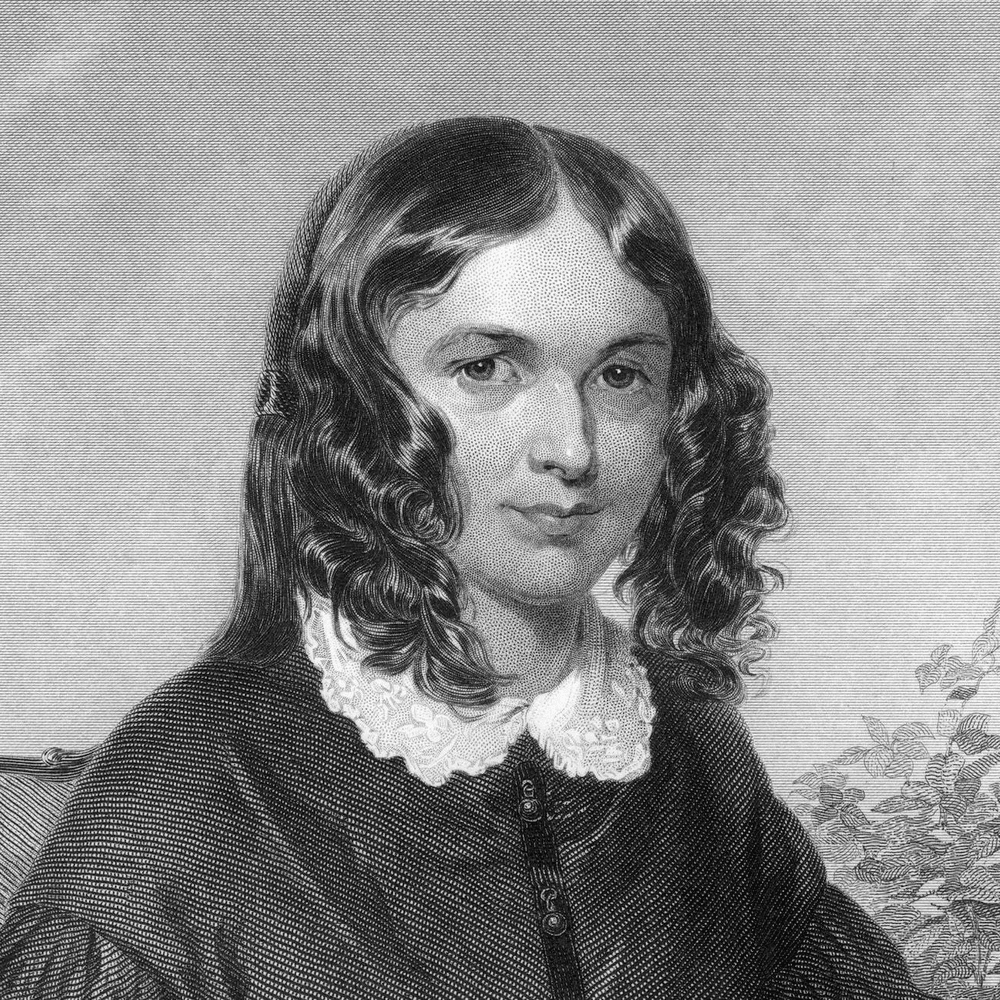
Elizabeth Barrett Browning - Non-Music, Romanticism (Literature)
Casa Guidi Windows 2
0 Plays
 View Artist
Lyrics
I wrote a meditation and a dream, ��������Hearing a little child sing in the street: I leant upon his music as a theme, ��������Till it gave way beneath my heart's full beat Which tried at an exultant prophecy ��������But dropped before the measure was complete Alas, for songs and hearts! O Tuscany, ��������O Dante's Florence, is the type too plain? Didst thou, too, only sing of liberty ��������As little children take up a high strain With unintentioned voices, and break off ��������To sleep upon their mothers' knees again? Couldst thou not watch one hour? then, sleep enough ��������That sleep may hasten manhood and sustain The faint pale spirit with some muscular stuff. But we, who cannot slumber as thou dost, ��������We thinkers, who have thought for thee and failed, We hopers, who have hoped for thee and lost, ��������We poets, wandered round by dreams, who hailed From this Atrides' roof (with lintel-post ��������Which still drips blood,the worse part hath prevailed) The fire-voice of the beacons to declare ��������Troy taken, sorrow ended,cozened through A crimson sunset in a misty air, ��������What now remains for such as we, to do? God's judgments, peradventure, will He bare ��������To the roots of thunder, if we kneel and sue? From Casa Guidi windows I looked forth, ��������And saw ten thousand eyes of Florentines Flash back the triumph of the Lombard north, ��������Saw fifty banners, freighted with the signs And exultations of the awakened earth, ��������Float on above the multitude in lines, Straight to the Pitti. So, the vision went. ��������And so, between those populous rough hands Raised in the sun, Duke Leopold outleant, ��������And took the patriot's oath which henceforth stands Among the oaths of perjurers, eminent ��������To catch the lightnings ripened for these lands. Why swear at all, thou false Duke Leopold? ��������What need to swear? What need to boast thy blood Unspoilt of Austria, and thy heart unsold ��������Away from Florence? It was understood God made thee not too vigorous or too bold; ��������And men had patience with thy quiet mood, And women, pity, as they saw thee pace ��������Their festive streets with premature grey hairs. We turned the mild dejection of thy face ��������To princely meanings, took thy wrinkling cares For ruffling hopes, and called thee weak, not base. ��������Nay, better light the torches for more prayers And smoke the pale Madonnas at the shrine, ��������Being still "our poor Grand-duke, our good Grand-duke, Who cannot help the Austrian in his line," ��������Than write an oath upon a nation's book For men to spit at with scorn's blurring brine! ��������Who dares forgive what none can overlook? For me, I do repent me in this dust ��������Of towns and temples which makes Italy, I sigh amid the sighs which breathe a gust ��������Of dying century to century Around us on the uneven crater-crust ��������Of these old worlds,I bow my soul and knee. Absolve me, patriots, of my woman's fault ��������That ever I believed the man was true! These sceptred strangers shun the common salt, ��������And, therefore, when the general board's in view And they stand up to carve for blind and halt, ��������The wise suspect the viands which ensue. I much repent that, in this time and place ��������Where many corpse-lights of experience burn From C�sar's and Lorenzo's festering race, ��������To enlighten groping reasoners, I could learn No better counsel for a simple case ��������Than to put faith in princes, in my turn. Had all the death-piles of the ancient years ��������Flared up in vain before me? knew I not What stench arises from some purple gears? ��������And how the sceptres witness whence they got Their briar-wood, crackling through the atmosphere's ��������Foul smoke, by princely perjuries, kept hot? Forgive me, ghosts of patriots,Brutus, thou, ��������Who trailest downhill into life again Thy blood-weighed cloak, to indict me with thy slow ��������Reproachful eyes!for being taught in vain That, while the illegitimate C�sars show ��������Of meaner stature than the first full strain (Confessed incompetent to conquer Gaul), ��������They swoon as feebly and cross Rubicons As rashly as any Julius of them all! ��������Forgive, that I forgot the mind which runs Through absolute races, too unsceptical! ��������I saw the man among his little sons, His lips were warm with kisses while he swore; ��������And I, because I am a womanI, Who felt my own child's coming life before ��������The prescience of my soul, and held faith high, I could not bear to think, whoever bore, ��������That lips, so warmed, could shape so cold a lie. From Casa Guidi windows I looked out, ��������Again looked, and beheld a different sight. The Duke had fled before the people's shout ��������"Long live the Duke!" A people, to speak right, Must speak as soft as courtiers, lest a doubt ��������Should curdle brows of gracious sovereigns, white. Moreover that same dangerous shouting meant ��������Some gratitude for future favours, which Were only promised, the Constituent ��������Implied, the whole being subject to the hitch In "motu proprios," very incident ��������To all these Czars, from Paul to Paulovitch. Whereat the people rose up in the dust ��������Of the ruler's flying feet, and shouted still And loudly; only, this time, as was just, ��������Not "Live the Duke," who had fled for good or ill, But "Live the People," who remained and must, ��������The unrenounced and unrenounceable. Long live the people! How they lived! and boiled ���������And bubbled in the cauldron of the street: How the young blustered, nor the old recoiled, ��������And what a thunderous stir of tongues and feet Trod flat the palpitating bells and foiled ��������The joy-guns of their echo, shattering it! How down they pulled the Duke's arms everywhere! ��������How up they set new caf�-signs, to show Where patriots might sip ices in pure air ��������(The fresh paint smelling somewhat)! To and fro How marched the civic guard, and stopped to stare ��������When boys broke windows in a civic glow! How rebel songs were sung to loyal tunes, ��������And bishops cursed in ecclesiastic metres: How all the Circoli grew large as moons, ��������And all the speakers, moonstruck,thankful greeters Of prospects which struck poor the ducal boons, A mere free Press, and Chambers!frank repeaters ��������Of great Guerazzi's praises"There's a man, The father of the land, who, truly great, ��������Takes off that national disgrace and ban, The farthing tax upon our Florence-gate, ��������And saves Italia as he only can!" How all the nobles fled, and would not wait, ��������Because they were most noble,which being so, How Liberals vowed to burn their palaces, ��������Because free Tuscans were not free to go! How grown men raged at Austria's wickedness, ��������And smoked,while fifty striplings in a row Marched straight to Piedmont for the wrong's redress! ��������You say we failed in duty, we who wore Black velvet like Italian democrats, ��������Who slashed our sleeves like patriots, nor forswore The true republic in the form of hats? ��������We chased the archbishop from the Duomo door, We chalked the walls with bloody caveats ��������Against all tyrants. If we did not fight Exactly, we fired muskets up the air ��������To show that victory was ours of right. We met, had free discussion everywhere ��������(Except perhaps i' the Chambers) day and night. We proved the poor should be employed, ... that's fair, ��������And yet the rich not worked for anywise, Pay certified, yet payers abrogated, ��������Full work secured, yet liabilities To overwork excluded,not one bated ��������Of all our holidays, that still, at twice Or thrice a week, are moderately rated. ��������We proved that Austria was dislodged, or would Or should be, and that Tuscany in arms ��������Should, would dislodge her, ending the old feud; And yet, to leave our piazzas, shops, and farms, ��������For the simple sake of fighting, was not good We proved that also. "Did we carry charms ��������Against being killed ourselves, that we should rush On killing others? what, desert herewith ��������Our wives and mothers?was that duty? tush!" At which we shook the sword within the sheath ��������Like heroesonly louder; and the flush Ran up the cheek to meet the future wreath. ��������Nay, what we proved, we shoutedhow we shouted (Especially the boys did), boldly planting ��������That tree of liberty, whose fruit is doubted, Because the roots are not of nature's granting! ��������A tree of good and evil: none, without it, Grow gods; alas and, with it, men are wanting! O holy knowledge, holy liberty, ��������O holy rights of nations! If I speak These bitter things against the jugglery ��������Of days that in your names proved blind and weak, It is that tears are bitter. When we see ��������The brown skulls grin at death in churchyards bleak, We do not cry "This Yorick is too light," ��������For death grows deathlier with that mouth he makes. So with my mocking: bitter things I write ��������Because my soul is bitter for your sakes, O freedom! O my Florence! Men who might ��������Do greatly in a universe that breaks And burns, must ever know before they do. ��������Courage and patience are but sacrifice; And sacrifice is offered for and to ��������Something conceived of. Each man pays a price For what himself counts precious, whether true ��������Or false the appreciation it implies. But here,no knowledge, no conception, nought! ��������Desire was absent, that provides great deeds From out the greatness of prevenient thought: ��������And action, action, like a flame that needs A steady breath and fuel, being caught ��������Up, like a burning reed from other reeds, Flashed in the empty and uncertain air, ��������Then wavered, then went out. Behold, who blames A crooked course, when not a goal is there ��������To round the fervid striving of the games? An ignorance of means may minister ��������To greatness, but an ignorance of aims Makes it impossible to be great at all. ��������So with our Tuscans! Let none dare to say, "Here virtue never can be national; ��������Here fortitude can never cut a way Between the Austrian muskets, out of thrall:" ��������I tell you rather that, whoever may Discern true ends here, shall grow pure enough ��������To love them, brave enough to strive for them, And strong to reach them though the roads be rough: ��������That having learntby no mere apophthegm Not just the draping of a graceful stuff ��������About a statue, broidered at the hem, Not just the trilling on an opera-stage ��������Of "libert�" to bravos(a fair word, Yet too allied to inarticulate rage ��������And breathless sobs, for singing, though the chord Were deeper than they struck it) but the gauge ��������Of civil wants sustained and wrongs abhorred, The serious sacred meaning and full use ��������Of freedom for a nation,then, indeed, Our Tuscans, underneath the bloody dews ��������Of some new morning, rising up agreed And bold, will want no Saxon souls or thews ��������To sweep their piazzas clear of Austria's breed. Alas, alas! it was not so this time. ��������Conviction was not, courage failed, and truth Was something to be doubted of. The mime ��������Changed masks, because a mime. The tide as smooth In running in as out, no sense of crime ��������Because no sense of virtue,sudden ruth Seized on the people: they would have again ��������Their good Grand-duke and leave Guerazzi, though He took that tax from Florence. "Much in vain ��������He takes it from the market-carts, we trow, While urgent that no market-men remain, ��������But all march off and leave the spade and plough, To die among the Lombards. Was it thus ��������The dear paternal Duke did? Live the Duke!" At which the joy-bells multitudinous, ��������Swept by an opposite wind, as loudly shook. Call back the mild archbishop to his house, ��������To bless the people with his frightened look, He shall not yet be hanged, you comprehend! ��������Seize on Guerazzi; guard him in full view, Or else we stab him in the back, to end! ��������Rub out those chalked devices, set up new The Duke's arms, doff your Phrygian caps, and men ��������The pavement of the piazzas broke into By barren poles of freedom: smooth the way ��������For the ducal carriage, lest his highness sigh "Here trees of liberty grew yesterday!" ��������"Long live the Duke!"how roared the cannonry, How rocked the bell-towers, and through thickening spray ��������Of nosegays, wreaths, and kerchiefs tossed on high, How marched the civic guard, the people still ��������Being good at shouts, especially the boys! Alas, poor people, of an unfledged will ��������Most fitly expressed by such a callow voice! Alas, still poorer Duke, incapable ��������Of being worthy even of so much noise! You think he came back instantly, with thanks ��������And tears in his faint eyes, and hands extended To stretch the franchise through their utmost ranks? ��������That having, like a father, apprehended, He came to pardon fatherly those pranks ��������Played out and now in filial service ended? That some love-token, like a prince, he threw ��������To meet the people's love-call, in return? Well, how he came I will relate to you; ��������And if your hearts should burn, why, hearts must burn, To make the ashes which things old and new ��������Shall be washed clean inas this Duke will learn. From Casa Guidi windows gazing, then, ��������I saw and witness how the Duke came back. The regular tramp of horse and tread of men ��������Did smite the silence like an anvil black And sparkless. With her wide eyes at full strain, ��������Our Tuscan nurse exclaimed "Alack, alack, Signora! these shall be the Austrians." "Nay, ��������Be still," I answered, "do not wake the child!" For so, my two-months' baby sleeping lay ��������In milky dreams upon the bed and smiled, And I thought "He shall sleep on, while he may, ��������Through the world's baseness: not being yet defiled, Why should he be disturbed by what is done?" ��������Then, gazing, I beheld the long-drawn street Live out, from end to end, full in the sun, ��������With Austria's thousand; sword and bayonet, Horse, foot, artillery,cannons rolling on ��������Like blind slow storm-clouds gestant with the heat Of undeveloped lightnings, each bestrode ��������By a single man, dust-white from head to heel, Indifferent as the dreadful thing he rode, ��������Like a sculptured Fate serene and terrible. As some smooth river which has overflowed ��������Will slow and silent down its current wheel A loosened forest, all the pines erect, ��������So swept, in mute significance of storm, The marshalled thousands; not an eye deflect ��������To left or right, to catch a novel form Of Florence city adorned by architect ��������And carver, or of Beauties live and warm Scared at the casements,all, straightforward eyes ��������And faces, held as steadfast as their swords, And cognizant of acts, not imageries. ��������The key, O Tuscans, too well fits the wards! Ye asked for mimes,these bring you tragedies: ��������For purple,these shall wear it as your lords. Ye played like children,die like innocents. ��������Ye mimicked lightnings with a torch,the crack Of the actual bolt, your pastime circumvents. ��������Ye called up ghosts, believing they were slack To follow any voice from Gilboa's tents, ... ��������Here's Samuel!and, so, Grand-dukes come back! And yet, they are no prophets though they come: ��������That awful mantle, they are drawing close, Shall be searched, one day, by the shafts of Doom ��������Through double folds now hoodwinking the brows. Resuscitated monarchs disentomb ��������Grave-reptiles with them, in their new life-throes. Let such beware. Behold, the people waits, ��������Like God: as He, in His serene of might, So they, in their endurance of long straits. ��������Ye stamp no nation out, though day and night Ye tread them with that absolute heel which grates ��������And grinds them flat from all attempted height. You kill worms sooner with a garden-spade ��������Than you kill peoples: peoples will not die; The tail curls stronger when you lop the head: ��������They writhe at every wound and multiply And shudder into a heap of life that's made ��������Thus vital from God's own vitality. 'T is hard to shrivel back a day of God's ��������Once fixed for judgment: 't is as hard to change The peoples, when they rise beneath their loads ��������And heave them from their backs with violent wrench To crush the oppressor; for that judgment-rod's ��������The measure of this popular revenge. Meanwhile, from Casa Guidi windows, we ��������Beheld the armament of Austria flow Into the drowning heart of Tuscany: ��������And yet none wept, none cursed, or, if 't was so, They wept and cursed in silence. Silently ��������Our noisy Tuscans watched the invading foe; They had learnt silence. Pressed against the wall, ��������And grouped upon the church-steps opposite, A few pale men and women stared at all. ��������God knows what they were feeling, with their white Constrain�d faces, they, so prodigal ��������Of cry and gesture when the world goes right, Or wrong indeed. But here was depth of wrong, ��������And here, still water; they were silent here; And through that sentient silence, struck along ��������That measured tramp from which it stood out clear, Distinct the sound and silence, like a gong ��������At midnight, each by the other awfuller, While every soldier in his cap displayed ��������A leaf of olive. Dusty, bitter thing! Was such plucked at Novara, is it said? A cry is up in England, which doth ring ��������The hollow world through, that for ends of trade And virtue and God's better worshipping, ��������We henceforth should exalt the name of Peace And leave those rusty wars that eat the soul, ��������Besides their clippings at our golden fleece. I, too, have loved peace, and from bole to bole ��������Of immemorial undeciduous trees Would write, as lovers use upon a scroll, ��������The holy name of Peace and set it high Where none could pluck it down. On trees, I say, ��������Not upon gibbets!With the greenery Of dewy branches and the flowery May, ��������Sweet mediation betwixt earth and sky Providing, for the shepherd's holiday. ��������Not upon gibbets! though the vulture leaves The bones to quiet, which he first picked bare. ��������Not upon dungeons! though the wretch who grieves And groans within less stirs the outer air ��������Than any little field-mouse stirs the sheaves. Not upon chain-bolts! though the slave's despair ��������Has dulled his helpless miserable brain And left him blank beneath the freeman's whip ��������To sing and laugh out idiocies of pain. Nor yet on starving homes! where many a lip ��������Has sobbed itself asleep through curses vain. I love no peace which is not fellowship ��������And which includes not mercy. I would have Rather the raking of the guns across ��������The world, and shrieks against Heaven's architrave; Rather the struggle in the slippery fosse ��������Of dying men and horses, and the wave Blood-bubbling.... Enough said!by Christ's own cross, ��������And by this faint heart of my womanhood, Such things are better than a Peace that sits ��������Beside a hearth in self-commended mood, And takes no thought how wind and rain by fits ��������Are howling out of doors against the good Of the poor wanderer. What! your peace admits ��������Of outside anguish while it keeps at home? I loathe to take its name upon my tongue. ��������'T is nowise peace: 't is treason, stiff with doom, 'T is gagged despair and inarticulate wrong, ��������Annihilated Poland, stifled Rome, Dazed Naples, Hungary fainting 'neath the thong, ��������And Austria wearing a smooth olive-leaf On her brute forehead, while her hoofs outpress ��������The life from these Italian souls, in brief. O Lord of Peace, who art Lord of Righteousness, ��������Constrain the anguished worlds from sin and grief, Pierce them with conscience, purge them with redress, ��������And give us peace which is no counterfeit! But wherefore should we look out any more ��������From Casa Guidi windows? Shut them straight, And let us sit down by the folded door, ��������And veil our saddened faces and, so, wait What next the judgment-heavens make ready for. ��������I have grown too weary of these windows. Sights Come thick enough and clear enough in thought, ��������Without the sunshine; souls have inner lights. And since the Grand-duke has come back and brought ��������This army of the North which thus requites His filial South, we leave him to be taught. ��������His South, too, has learnt something certainly, Whereof the practice will bring profit soon; ��������And peradventure other eyes may see, From Casa Guidi windows, what is done ��������Or undone. Whatsoever deeds they be, Pope Pius will be glorified in none. ��������Record that gain, Mazzini!it shall top Some heights of sorrow. Peter's rock, so named, ��������Shall lure no vessel any more to drop Among the breakers. Peter's chair is shamed ��������Like any vulgar throne the nations lop To pieces for their firewood unreclaimed, ��������And, when it burns too, we shall see as well In Italy as elsewhere. Let it burn. ��������The cross, accounted still adorable, Is Christ's cross only!if the thief's would earn ��������Some stealthy genuflexions, we rebel; And here the impenitent thief's has had its turn, ��������As God knows; and the people on their knees Scoff and toss back the crosiers stretched like yokes ��������To press their heads down lower by degrees. So Italy, by means of these last strokes, ��������Escapes the danger which preceded these, Of leaving captured hands in cloven oaks, ��������Of leaving very souls within the buckle Whence bodies struggled outward,of supposing ��������That freemen may like bondsmen kneel and truckle, And then stand up as usual, without losing ��������An inch of stature. ����������������Those whom she-wolves suckle Will bite as wolves do in the grapple-closing ��������Of adverse interests. This at last is known (Thank Pius for the lesson), that albeit ��������Among the popedom's hundred heads of stone Which blink down on you from the roof's retreat ��������In Siena's tiger-striped cathedral, Joan And Borgia 'mid their fellows you may greet, ��������A harlot and a devil,you will see Not a man, still less angel, grandly set ��������With open soul to render man more free. The fishers are still thinking of the net, ��������And, if not thinking of the hook too, we Are counted somewhat deeply in their debt; ��������But that's a rare caseso, by hook and crook They take the advantage, agonizing Christ ��������By rustier nails than those of Cedron's brook, I' the people's body very cheaply priced, ��������And quote high priesthood out of Holy book, While buying death-fields with the sacrificed. Priests, priests,there's no such name!God's own, except ��������Ye take most vainly. Through heaven's lifted gate The priestly ephod in sole glory swept ��������When Christ ascended, entered in, and sate (With victor face sublimely overwept) ��������At Deity's right hand, to mediate, He alone, He for ever. On His breast ��������The Urim and the Thummim, fed with fire From the full Godhead, flicker with the unrest ��������Of human pitiful heart-beats. Come up higher, All Christians! Levi's tribe is dispossest. ��������That solitary alb ye shall admire, But not cast lots for. The last chrism, poured right, ��������Was on that Head, and poured for burial And not for domination in men's sight. ��������What are these churches? The old temple-wall Doth overlook them juggling with the sleight ��������Of surplice, candlestick and altar-pall; East church and west church, ay, north church and south, ��������Rome's church and England's,let them all repent, And make concordats 'twixt their soul and mouth, ��������Succeed Saint Paul by working at the tent, Become infallible guides by speaking truth, ��������And excommunicate their pride that bent And cramped the souls of men. ����������������Why, even here Priestcraft burns out, the twin�d linen blazes; ��������Not, like asbestos, to grow white and clear, But all to perish!while the fire-smell raises ��������To life some swooning spirits who, last year, Lost breath and heart in these church-stifled places. ��������Why, almost, through this Pius, we believed The priesthood could be an honest thing, he smiled ��������So saintly while our corn was being sheaved For his own granaries! Showing now defiled ��������His hireling hands, a better help's achieved Than if they blessed us shepherd-like and mild. ��������False doctrine, strangled by its own amen, Dies in the throat of all this nation. Who ��������Will speak a pope's name as they rise again? What woman or what child will count him true? ��������What dreamer praise him with the voice or pen? What man fight for him?Pius takes his due. Record that gain, Mazzini!Yes, but first ��������Set down thy people's faults; set down the want Of soul-conviction; set down aims dispersed, ��������And incoherent means, and valour scant Because of scanty faith, and schisms accursed ��������That wrench these brother-hearts from covenant With freedom and each other. Set down this, ��������And this, and see to overcome it when The seasons bring the fruits thou wilt not miss ��������If wary. Let no cry of patriot men Distract thee from the stern analysis ��������Of masses who cry only! keep thy ken Clear as thy soul is virtuous. Heroes' blood ��������Splashed up against thy noble brow in Rome; Let such not blind thee to an interlude ��������Which was not also holy, yet did come 'Twixt sacramental actions,brotherhood ��������Despised even there, and something of the doom Of Remus in the trenches. Listen now ��������Rossi died silent near where C�sar died. HE did not say "My Brutus, is it thou?" ��������But Italy unquestioned testified "I killed him! I am Brutus.I avow." ��������At which the whole world's laugh of scorn replied "A poor maimed copy of Brutus!" Too much like, ��������Indeed, to be so unlike! too unskilled At Philippi and the honest battle-pike, ��������To be so skilful where a man is killed Near Pompey's statue, and the daggers strike ��������At unawares i' the throat. Was thus fulfilled An omen once of Michel Angelo? ��������When Marcus Brutus he conceived complete, And strove to hurl him out by blow on blow ��������Upon the marble, at Art's thunderheat, Till haply (some pre-shadow rising slow ��������Of what his Italy would fancy meet To be called Brutus) straight his plastic hand ��������Fell back before his prophet-soul, and left A fragment, a maimed Brutus,but more grand ��������Than this, so named at Rome, was! ����������������Let thy weft Present one woof and warp, Mazzini! Stand ��������With no man hankering for a dagger's heft, No, not for Italy!nor stand apart, ��������No, not for the Republic!from those pure Brave men who hold the level of thy heart ��������In patriot truth, as lover and as doer, Albeit they will not follow where thou art ��������As extreme theorist. Trust and distrust fewer; And so bind strong and keep unstained the cause ��������Which (God's sign granted) war-trumps newly blown Shall yet annunciate to the world's applause. But now, the world is busy; it has grown ��������A Fair-going world. Imperial England draws The flowing ends of the earth from Fez, Canton, ��������Delhi and Stockholm, Athens and Madrid, The Russias and the vast Americas, ��������As if a queen drew in her robes amid Her golden cincture,isles, peninsulas, ��������Capes, continents, far inland countries hid By jasper-sands and hills of chrysopras, ��������All trailing in their splendours through the door Of the gorgeous Crystal Palace. Every nation, ��������To every other nation strange of yore, Gives face to face the civic salutation, ��������And holds up in a proud right hand before That congress the best work which she can fashion ��������By her best means. "These corals, will you please To match against your oaks? They grow as fast ��������Within my wilderness of purple seas." "This diamond stared upon me as I passed ��������(As a live god's eye from a marble frieze) Along a dark of diamonds. Is it classed?" ��������"I wove these stuffs so subtly that the gold Swims to the surface of the silk like cream And curdles to fair patterns. Ye behold!" ��������"These delicatest muslins rather seem Than be, you think? Nay, touch them and be bold, ��������Though such veiled Chakhi's face in Hafiz' dream." "These carpetsyou walk slow on them like kings, ��������Inaudible like spirits, while your foot Dips deep in velvet roses and such things." ��������"Even Apollonius might commend this flute: The music, winding through the stops, upsprings ��������To make the player very rich: compute!" "Here's goblet-glass, to take in with your wine ��������The very sun its grapes were ripened under: Drink light and juice together, and each fine." ��������"This model of a steamship moves your wonder? You should behold it crushing down the brine ��������Like a blind Jove who feels his way with thunder." "Here's sculpture! Ah, we live too! why not throw ��������Our life into our marbles? Art has place For other artists after Angelo." "I tried to paint out here a natural face; ��������For nature includes Raffael, as we know, Not Raffael nature. Will it help my case?" ��������"Methinks you will not match this steel of ours!" "Nor you this porcelain! One might dream the clay ��������Retained in it the larv� of the flowers, They bud so, round the cup, the old Spring-way." ��������"Nor you these carven woods, where birds in bowers With twisting snakes and climbing cupids, play." O Magi of the east and of the west, ��������Your incense, gold and myrrh are excellent! What gifts for Christ, then, bring ye with the rest? ��������Your hands have worked well: is your courage spent In handwork only? Have you nothing best, ��������Which generous souls may perfect and present, And He shall thank the givers for? no light ��������Of teaching, liberal nations, for the poor Who sit in darkness when it is not night? ��������No cure for wicked children? Christ,no cure! No help for women sobbing out of sight ��������Because men made the laws? no brothel-lure Burnt out by popular lightnings? Hast thou four ��������No remedy, my England, for such woes? No outlet, Austria, for the scourged and bound, ��������No entrance for the exiled? no repose, Russia, for knouted Poles worked underground, And gentle ladies bleached among the snows? ��������No mercy for the slave, America? No hope for Rome, free France, chivalric France? ��������Alas, great nations have great shames, I say. No pity, O world, no tender utterance ��������Of benediction, and prayers stretched this way For poor Italia, baffled by mischance? ��������O gracious nations, give some ear to me! You all go to your Fair, and I am one ��������Who at the roadside of humanity Beseech your alms,God's justice to be done. ��������So, prosper! ������������������������In the name of Italy, Meantime, her patriot Dead have benison. ��������They only have done well; and, what they did Being perfect, it shall triumph. Let them slumber: ��������No king of Egypt in a pyramid Is safer from oblivion, though he number ��������Full seventy cerements for a coverlid. These Dead be seeds of life, and shall encumber ��������The sad heart of the land until it loose The clammy clods and let out the Spring-growth ��������In beatific green through every bruise. The tyrant should take heed to what he doth, ��������Since every victim-carrion turns to use, And drives a chariot, like a god made wroth, ��������Against each piled injustice. Ay, the least, Dead for Italia, not in vain has died; ��������Though many vainly, ere life's struggle ceased, To mad dissimilar ends have swerved aside; ��������Each grave her nationality has pieced By its own majestic breadth, and fortified ��������And pinned it deeper to the soil. Forlorn Of thanks be, therefore, no one of these graves! ��������Not Hers,who, at her husband's side, in scorn, Outfaced the whistling shot and hissing waves, ��������Until she felt her little babe unborn Recoil, within her, from the violent staves ��������And bloodhounds of the world,at which, her life Dropt inwards from her eyes and followed it ��������Beyond the hunters. Garibaldi's wife And child died so. And now, the seaweeds fit ��������Her body, like a proper shroud and coif, And murmurously the ebbing waters grit ��������The little pebbles while she lies interred In the sea-sand. Perhaps, ere dying thus, ��������She looked up in his face (which never stirred From its clenched anguish) as to make excuse ��������For leaving him for his, if so she erred. He well remembers that she could not choose. ��������A memorable grave! Another is At Genoa. There, a king may fitly lie, ��������Who, bursting that heroic heart of his At lost Novara, that he could not die ��������(Though thrice into the cannon's eyes for this He plunged his shuddering steed, and felt the sky ��������Reel back between the fire-shocks), stripped away The ancestral ermine ere the smoke had cleared, ��������And, naked to the soul, that none might say His kingship covered what was base and bleared ��������With treason, went out straight an exile, yea, An exiled patriot. Let him be revered. Yea, verily, Charles Albert has died well; ��������And if he lived not all so, as one spoke, The sin pass softly with the passing-bell; ��������For he was shriven, I think, in cannon-smoke, And, taking off his crown, made visible ��������A hero's forehead. Shaking Austria's yoke He shattered his own hand and heart. "So best," ��������His last words were upon his lonely bed, I do not end like popes and dukes at least ��������"Thank God for it." And now that he is dead, Admitting it is proved and manifest ��������That he was worthy, with a discrowned head, To measure heights with patriots, let them stand ��������Beside the man in his Oporto shroud, And each vouchsafe to take him by the hand, ��������And kiss him on the cheek, and say aloud, "Thou, too, hast suffered for our native land! ��������My brother, thou art one of us! be proud." Still, graves, when Italy is talked upon. ��������Still, still, the patriot's tomb, the stranger's hate. Still Niobe! still fainting in the sun, ��������By whose most dazzling arrows violate Her beauteous offspring perished! has she won ��������Nothing but garlands for the graves, from Fate? Nothing but death-songs?Yes, be it understood ��������Life throbs in noble Piedmont! while the feet Of Rome's clay image, dabbled soft in blood, ��������Grow flat with dissolution and, as meet, Will soon be shovelled off like other mud, ��������To leave the passage free in church and street. And I, who first took hope up in this song, ��������Because a child was singing one ... behold, The hope and omen were not, haply, wrong! ��������Poets are soothsayers still, like those of old Who studied flights of doves; and creatures young ��������And tender, mighty meanings may unfold. The sun strikes, through the windows, up the floor; ��������Stand out in it, my own young Florentine, Not two years old, and let me see thee more! ��������It grows along thy amber curls, to shine Brighter than elsewhere. Now, look straight before, ��������And fix thy brave blue English eyes on mine, And from my soul, which fronts the future so, ��������With unabashed and unabated gaze, Teach me to hope for, what the angels know ��������When they smile clear as thou dost. Down God's ways With just alighted feet, between the snow ��������And snowdrops, where a little lamb may graze, Thou hast no fear, my lamb, about the road, ��������Albeit in our vain-glory we assume That, less than we have, thou hast learnt of God. ��������Stand out, my blue-eyed prophet!thou, to whom The earliest world-day light that ever flowed, ��������Through Casa Guidi Windows chanced to come! Now shake the glittering nimbus of thy hair, ��������And be God's witness that the elemental New springs of life are gushing everywhere ��������To cleanse the watercourses, and prevent all Concrete obstructions which infest the air! ��������That earth's alive, and gentle or ungentle Motions within her, signify but growth! ��������The ground swells greenest o'er the labouring moles. Howe'er the uneasy world is vexed and wroth, ��������Young children, lifted high on parent souls, Look round them with a smile upon the mouth, ��������And take for music every bell that tolls; (Who said we should be better if like these?) ��������But we sit murmuring for the future though Posterity is smiling on our knees, ��������Convicting us of folly. Let us go We will trust God. The blank interstices ��������Men take for ruins, He will build into With pillared marbles rare, or knit across ��������With generous arches, till the fane's complete. This world has no perdition, if some loss. Such cheer I gather from thy smiling, Sweet! ��������The self-same cherub-faces which emboss The Vail, lean inward to the Mercy-seat.
Rate this song
0/5.0 - 0 Ratings
Loading comments...
Credits
- Writers
- Elizabeth Barrett Browning