Casa Guidi Windows 1
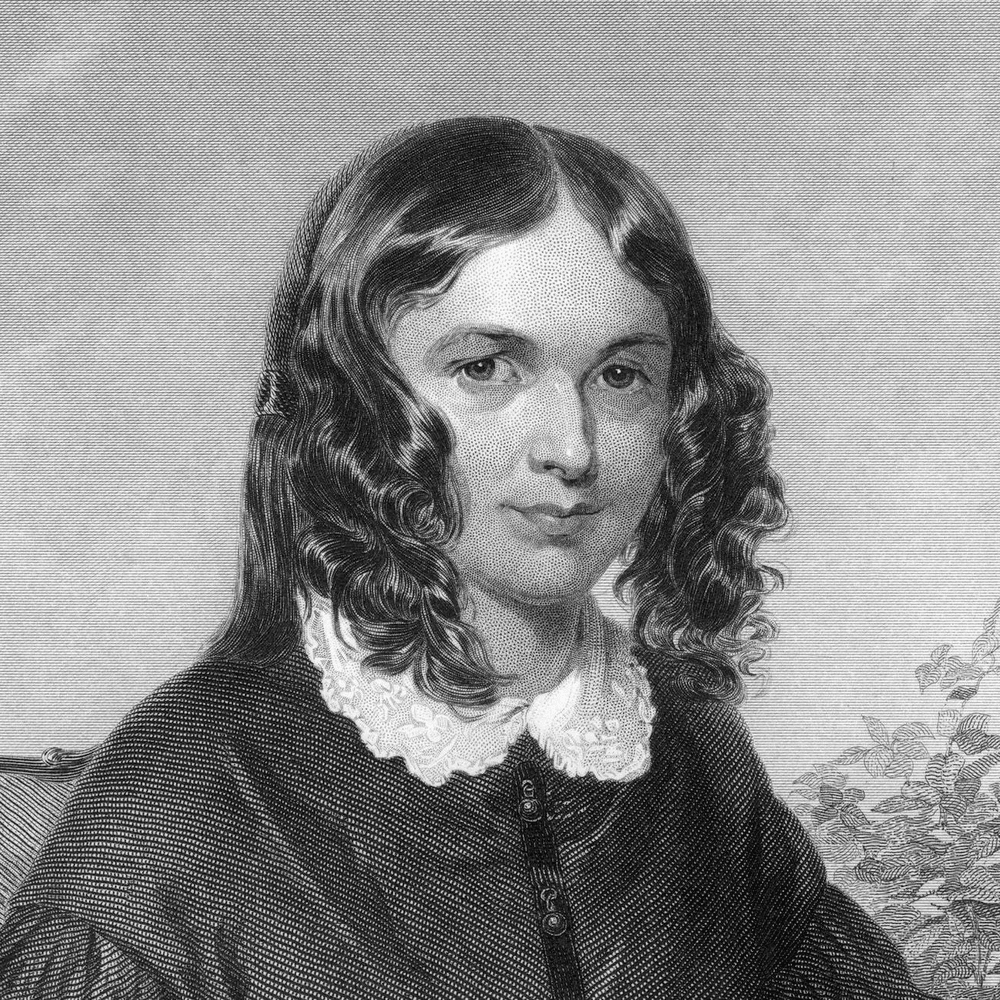
Elizabeth Barrett Browning - Non-Music, Romanticism (Literature)
Casa Guidi Windows 1
0 Plays
 View Artist
Lyrics
I heard last night a little child go singing ��������'Neath Casa Guidi windows, by the church, O bella libert�, O bella!stringing ��������The same words still on notes he went in search So high for, you concluded the upspringing ��������Of such a nimble bird to sky from perch Must leave the whole bush in a tremble green, ��������And that the heart of Italy must beat, While such a voice had leave to rise serene ��������'Twixt church and palace of a Florence street: A little child, too, who not long had been ��������By mother's finger steadied on his feet, And still O bella libert� he sang. Then I thought, musing, of the innumerous ��������Sweet songs which still for Italy outrang From older singers' lips who sang not thus ��������Exultingly and purely, yet, with pang Fast sheathed in music, touched the heart of us ��������So finely that the pity scarcely pained. I thought how Filicaja led on others, ��������Bewailers for their Italy enchained, And how they called her childless among mothers, ��������Widow of empires, ay, and scarce refrained Cursing her beauty to her face, as brothers ��������Might a shamed sister's,"Had she been less fair She were less wretched;"how, evoking so ��������From congregated wrong and heaped despair Of men and women writhing under blow, ��������Harrowed and hideous in a filthy lair, Some personating Image wherein woe ��������Was wrapt in beauty from offending much, They called it Cybele, or Niobe, ��������Or laid it corpse-like on a bier for such, Where all the world might drop for Italy ��������Those cadenced tears which burn not where they touch, "Juliet of nations, canst thou die as we? ��������And was the violet crown that crowned thy head So over-large, though new buds made it rough, ��������It slipped down and across thine eyelids dead, O sweet, fair Juliet?" Of such songs enough, ��������Too many of such complaints! behold, instead, Void at Verona, Juliet's marble trough: ��������As void as that is, are all images Men set between themselves and actual wrong, ��������To catch the weight of pity, meet the stress Of conscience,since 't is easier to gaze long ��������On mournful masks and sad effigies Than on real, live, weak creatures crushed by strong. For me who stand in Italy to-day ��������Where worthier poets stood and sang before, I kiss their footsteps yet their words gainsay. ��������I can but muse in hope upon this shore Of golden Arno as it shoots away ��������Through Florence' heart beneath her bridges four: Bent bridges, seeming to strain off like bows, ��������And tremble while the arrowy undertide Shoots on and cleaves the marble as it goes, ��������And strikes up palace-walls on either side, And froths the cornice out in glittering rows, ��������With doors and windows quaintly multiplied, And terrace-sweeps, and gazers upon all, ��������By whom if flower or kerchief were thrown out From any lattice there, the same would fall ��������Into the river underneath, no doubt, It runs so close and fast 'twixt wall and wall. ��������How beautiful! the mountains from without In silence listen for the word said next. ��������What word will men say,here where Giotto planted His campanile like an unperplexed ��������Fine question Heavenward, touching the things granted A noble people who, being greatly vexed ��������In act, in aspiration keep undaunted? What word will God say? Michel's Night and Day ��������And Dawn and Twilight wait in marble scorn Like dogs upon a dunghill, couched on clay ��������From whence the Medicean stamp's outworn, The final putting off of all such sway ��������By all such hands, and freeing of the unborn In Florence and the great world outside Florence. ��������Three hundred years his patient statues wait In that small chapel of the dim Saint Lawrence: ��������Day's eyes are breaking bold and passionate Over his shoulder, and will flash abhorrence ��������On darkness and with level looks meet fate, When once loose from that marble film of theirs; ��������The Night has wild dreams in her sleep, the Dawn Is haggard as the sleepless, Twilight wears ��������A sort of horror; as the veil withdrawn 'Twixt the artist's soul and works had left them heirs ��������Of speechless thoughts which would not quail nor fawn, Of angers and contempts, of hope and love: ��������For not without a meaning did he place The princely Urbino on the seat above ��������With everlasting shadow on his face, While the slow dawns and twilights disapprove ��������The ashes of his long-extinguished race Which never more shall clog the feet of men. ��������I do believe, divinest Angelo, That winter-hour in Via Larga, when ��������They bade thee build a statue up in snow And straight that marvel of thine art again ��������Dissolved beneath the sun's Italian glow, Thine eyes, dilated with the plastic passion, ��������Thawing too in drops of wounded manhood, since, To mock alike thine art and indignation, ��������Laughed at the palace-window the new prince, ("Aha! this genius needs for exaltation, ��������When all's said and however the proud may wince, A little marble from our princely mines!") ��������I do believe that hour thou laughedst too For the whole sad world and for thy Florentines, ��������After those few tears, which were only few! That as, beneath the sun, the grand white lines ��������Of thy snow-statue trembled and withdrew, The head, erect as Jove's, being palsied first, ��������The eyelids flattened, the full brow turned blank, The right-hand, raised but now as if it cursed, ��������Dropt, a mere snowball, (till the people sank Their voices, though a louder laughter burst ��������From the royal window)thou couldst proudly thank God and the prince for promise and presage, ��������And laugh the laugh back, I think verily, Thine eyes being purged by tears of righteous rage ��������To read a wrong into a prophecy, And measure a true great man's heritage ��������Against a mere great-duke's posterity. I think thy soul said then, "I do not need ��������A princedom and its quarries, after all; For if I write, paint, carve a word, indeed, ��������On book or board or dust, on floor or wall, The same is kept of God who taketh heed ��������That not a letter of the meaning fall Or ere it touch and teach His world's deep heart, ��������Outlasting, therefore, all your lordships, sir! So keep your stone, beseech you, for your part, ��������To cover up your grave-place and refer The proper titles; I live by my art. ��������The thought I threw into this snow shall stir This gazing people when their gaze is done; ��������And the tradition of your act and mine, When all the snow is melted in the sun, ��������Shall gather up, for unborn men, a sign Of what is the true princedom,ay, and none ��������Shall laugh that day, except the drunk with wine." Amen, great Angelo! the day's at hand. ��������If many laugh not on it, shall we weep? Much more we must not, let us understand. ��������Through rhymers sonneteering in their sleep And archaists mumbling dry bones up the land ��������And sketchers lauding ruined towns a-heap, Through all that drowsy hum of voices smooth, ��������The hopeful bird mounts carolling from brake, The hopeful child, with leaps to catch his growth, ��������Sings open-eyed for liberty's sweet sake: And I, a singer also from my youth, ��������Prefer to sing with these who are awake, With birds, with babes, with men who will not fear ��������The baptism of the holy morning dew, (And many of such wakers now are here, ��������Complete in their anointed manhood, who Will greatly dare and greatlier persevere,) ��������Than join those old thin voices with my new, And sigh for Italy with some safe sigh ��������Cooped up in music 'twixt an oh and ah, Nay, hand in hand with that young child, will I ��������Go singing rather, "Bella libert�," Than, with those poets, croon the dead or cry ��������"Se tu men bella fossi, Italia!" "Less wretched if less fair." Perhaps a truth ��������Is so far plain in this, that Italy, Long trammelled with the purple of her youth ��������Against her age's ripe activity, Sits still upon her tombs, without death's ruth ��������But also without life's brave energy. "Now tell us what is Italy?" men ask: ��������And others answer, "Virgil, Cicero, Catullus, C�sar." What beside? to task ��������The memory closer"Why, Boccaccio, Dante, Petrarca,"and if still the flask ��������Appears to yield its wine by drops too slow, "Angelo, Raffael, Pergolese,"all ��������Whose strong hearts beat through stone, or charged again The paints with fire of souls electrical, ��������Or broke up heaven for music. What more then? Why, then, no more. The chaplet's last beads fall ��������In naming the last saintship within ken, And, after that, none prayeth in the land. ��������Alas, this Italy has too long swept Heroic ashes up for hour-glass sand; ��������Of her own past, impassioned nympholept! Consenting to be nailed here by the hand ��������To the very bay-tree under which she stept A queen of old, and plucked a leafy branch; ��������And, licensing the world too long indeed To use her broad phylacteries to staunch ��������And stop her bloody lips, she takes no heed How one clear word would draw an avalanche ��������Of living sons around her, to succeed The vanished generations. Can she count ��������These oil-eaters with large live mobile mouths Agape for macaroni, in the amount ��������Of consecrated heroes of her south's Bright rosary? The pitcher at the fount, ��������The gift of gods, being broken, she much loathes To let the ground-leaves of the place confer ��������A natural bowl. So henceforth she would seem No nation, but the poet's pensioner, ��������With alms from every land of song and dream, While aye her pipers sadly pipe of her ��������Until their proper breaths, in that extreme Of sighing, split the reed on which they played: ��������Of which, no more. But never say "no more" To Italy's life! Her memories undismayed ��������Still argue "evermore;" her graves implore Her future to be strong and not afraid; ��������Her very statues send their looks before. We do not serve the deadthe past is past. ��������God lives, and lifts His glorious mornings up Before the eyes of men awake at last, ��������Who put away the meats they used to sup, And down upon the dust of earth outcast ��������The dregs remaining of the ancient cup, Then turn to wakeful prayer and worthy act. ��������The Dead, upon their awful 'vantage ground, The sun not in their faces, shall abstract ��������No more our strength; we will not be discrowned As guardians of their crowns, nor deign transact ��������A barter of the present, for a sound Of good so counted in the foregone days. ��������O Dead, ye shall no longer cling to us With rigid hands of desiccating praise, ��������And drag us backward by the garment thus, To stand and laud you in long-drawn virelays! ��������We will not henceforth be oblivious Of our own lives, because ye lived before, ��������Nor of our acts, because ye acted well. We thank you that ye first unlatched the door, ��������But will not make it inaccessible By thankings on the threshold any more. ��������We hurry onward to extinguish hell With our fresh souls, our younger hope, and God's ��������Maturity of purpose. Soon shall we Die also! and, that then our periods ��������Of life may round themselves to memory As smoothly as on our graves the burial-sods, ��������We now must look to it to excel as ye, And bear our age as far, unlimited ��������By the last mind-mark; so, to be invoked By future generations, as their Dead. 'T is true that when the dust of death has choked ��������A great man's voice, the common words he said Turn oracles, the common thoughts he yoked ��������Like horses, draw like griffins: this is true And acceptable. I, too, should desire, ��������When men make record, with the flowers they strew, "Savonarola's soul went out in fire ��������Upon our Grand-duke's piazza, and burned through A moment first, or ere he did expire, ��������The veil betwixt the right and wrong, and showed How near God sat and judged the judges there," ��������Upon the self-same pavement overstrewed To cast my violets with as reverent care, ��������And prove that all the winters which have snowed Cannot snow out the scent from stones and air, ��������Of a sincere man's virtues. This was he, Savonarola, who, while Peter sank ��������With his whole boat-load, called courageously "Wake Christ, wake Christ!"who, having tried the tank ��������Of old church-waters used for baptistry Ere Luther came to spill them, swore they stank; ��������Who also by a princely deathbed cried, "Loose Florence, or God will not loose thy soul!" ��������Then fell back the Magnificent and died Beneath the star-look shooting from the cowl, ��������Which turned to wormwood-bitterness the wide Deep sea of his ambitions. It were foul ��������To grudge Savonarola and the rest Their violets: rather pay them quick and fresh! ��������The emphasis of death makes manifest The eloquence of action in our flesh; ��������And men who, living, were but dimly guessed, When once free from their life's entangled mesh, ��������Show their full length in graves, or oft indeed Exaggerate their stature, in the flat, ��������To noble admirations which exceed Most nobly, yet will calculate in that ��������But accurately. We, who are the seed Of buried creatures, if we turned and spat ��������Upon our antecedents, we were vile. Bring violets rather. If these had not walked ��������Their furlong, could we hope to walk our mile? Therefore bring violets. Yet if we self-baulked ��������Stand still, a-strewing violets all the while, These moved in vain, of whom we have vainly talked. ��������So rise up henceforth with a cheerful smile, And having strewn the violets, reap the corn, ��������And having reaped and garnered, bring the plough And draw new furrows 'neath the healthy morn, ��������And plant the great Hereafter in this Now. Of old 't was so. How step by step was worn, ��������As each man gained on each securely!how Each by his own strength sought his own Ideal, ��������The ultimate Perfection leaning bright From out the sun and stars to bless the leal ��������And earnest search of all for Fair and Right Through doubtful forms by earth accounted real! ��������Because old Jubal blew into delight The souls of men with clear-piped melodies, ��������If youthful Asaph were content at most To draw from Jubal's grave, with listening eyes, ��������Traditionary music's floating ghost Into the grass-grown silence, were it wise? ��������And was 't not wiser, Jubal's breath being lost, That Miriam clashed her cymbals to surprise ��������The sun between her white arms flung apart, With new glad golden sounds? that David's strings ��������O'erflowed his hand with music from his heart? So harmony grows full from many springs, ��������And happy accident turns holy art. You enter, in your Florence wanderings, ��������The church of Saint Maria Novella. Pass The left stair, where at plague-time Machiavel ��������Saw One with set fair face as in a glass, Dressed out against the fear of death and hell, ��������Rustling her silks in pauses of the mass, To keep the thought off how her husband fell, ��������When she left home, stark dead across her feet, The stair leads up to what the Orgagnas save ��������Of Dante's d�mons; you, in passing it, Ascend the right stair from the farther nave ��������To muse in a small chapel scarcely lit By Cimabue's Virgin. Bright and brave, ��������That picture was accounted, mark, of old: A king stood bare before its sovran grace, ��������A reverent people shouted to behold The picture, not the king, and even the place ��������Containing such a miracle grew bold, Named the Glad Borgo from that beauteous face ��������Which thrilled the artist, after work, to think His own ideal Mary-smile should stand ��������So very near him,he, within the brink Of all that glory, let in by his hand ��������With too divine a rashness! Yet none shrink Who come to gaze here now; albeit 't was planned ��������Sublimely in the thought's simplicity: The Lady, throned in empyreal state, ��������Minds only the young Babe upon her knee, While sidelong angels bear the royal weight, ��������Prostrated meekly, smiling tenderly Oblivion of their wings; the Child thereat ��������Stretching its hand like God. If any should, Because of some stiff draperies and loose joints, ��������Gaze scorn down from the heights of Raffaelhood On Cimabue's picture,Heaven anoints ��������The head of no such critic, and his blood The poet's curse strikes full on and appoints ��������To ague and cold spasms for evermore. A noble picture! worthy of the shout ��������Wherewith along the streets the people bore Its cherub-faces which the sun threw out ��������Until they stooped and entered the church door. Yet rightly was young Giotto talked about, ��������Whom Cimabue found among the sheep, And knew, as gods know gods, and carried home ��������To paint the things he had painted, with a deep And fuller insight, and so overcome ��������His chapel-Lady with a heavenlier sweep Of light: for thus we mount into the sum ��������Of great things known or acted. I hold, too, That Cimabue smiled upon the lad ��������At the first stroke which passed what he could do, Or else his Virgin's smile had never had ��������Such sweetness in 't. All great men who foreknew Their heirs in art, for art's sake have been glad, ��������And bent their old white heads as if uncrowned, Fanatics of their pure Ideals still ��������Far more than of their triumphs, which were found With some less vehement struggle of the will. ��������If old Margheritone trembled, swooned And died despairing at the open sill ��������Of other men's achievements (who achieved, By loving art beyond the master), he ��������Was old Margheritone, and conceived Never, at first youth and most ecstasy, ��������A Virgin like that dream of one, which heaved The death-sigh from his heart. If wistfully ��������Margheritone sickened at the smell Of Cimabue's laurel, let him go! ��������For Cimabue stood up very well In spite of Giotto's, and Angelico ��������The artist-saint kept smiling in his cell The smile with which he welcomed the sweet slow ��������Inbreak of angels (whitening through the dim That he might paint them), while the sudden sense ��������Of Raffael's future was revealed to him By force of his own fair works' competence. ��������The same blue waters where the dolphins swim Suggest the tritons. Through the blue Immense ��������Strike out, all swimmers! cling not in the way Of one another, so to sink; but learn ��������The strong man's impulse, catch the freshening spray He throws up in his motions, and discern ��������By his clear westering eye, the time of day. Thou, God, hast set us worthy gifts to earn ��������Besides Thy heaven and Thee! and when I say There's room here for the weakest man alive ��������To live and die, there's room too, I repeat, For all the strongest to live well, and strive ��������Their own way, by their individual heat, Like some new bee-swarm leaving the old hive, ��������Despite the wax which tempts so violet-sweet. Then let the living live, the dead retain ��������Their grave-cold flowers!though honour's best supplied By bringing actions, to prove theirs not vain. Cold graves, we say? it shall be testified ��������That living men who burn in heart and brain, Without the dead were colder. If we tried ��������To sink the past beneath our feet, be sure The future would not stand. Precipitate ��������This old roof from the shrine, and, insecure, The nesting swallows fly off, mate from mate. ��������How scant the gardens, if the graves were fewer! The tall green poplars grew no longer straight ��������Whose tops not looked to Troy. Would any fight For Athens, and not swear by Marathon? ��������Who dared build temples, without tombs in sight? Or live, without some dead man's benison? ��������Or seek truth, hope for good, and strive for right, If, looking up, he saw not in the sun ��������Some angel of the martyrs all day long Standing and waiting? Your last rhythm will need ��������Your earliest key-note. Could I sing this song, If my dead masters had not taken heed ��������To help the heavens and earth to make me strong, As the wind ever will find out some reed ��������And touch it to such issues as belong To such a frail thing? None may grudge the Dead ��������Libations from full cups. Unless we choose To look back to the hills behind us spread, ��������The plains before us sadden and confuse; If orphaned, we are disinherited. I would but turn these lachrymals to use, ��������And pour fresh oil in from the olive-grove, To furnish them as new lamps. Shall I say ��������What made my heart beat with exulting love A few weeks back? ������������������������The day was such a day As Florence owes the sun. The sky above, ��������Its weight upon the mountains seemed to lay, And palpitate in glory, like a dove ��������Who has flown too fast, full-heartedtake away The image! for the heart of man beat higher ��������That day in Florence, flooding all her streets And piazzas with a tumult and desire. ��������The people, with accumulated heats And faces turned one way, as if one fire ��������Both drew and flushed them, left their ancient beats And went up toward the palace-Pitti wall ��������To thank their Grand-duke who, not quite of course, Had graciously permitted, at their call, ��������The citizens to use their civic force To guard their civic homes. So, one and all, ��������The Tuscan cities streamed up to the source Of this new good at Florence, taking it ��������As good so far, presageful of more good, The first torch of Italian freedom, lit ��������To toss in the next tiger's face who should Approach too near them in a greedy fit, ��������The first pulse of an even flow of blood To prove the level of Italian veins ��������Towards rights perceived and granted. How we gazed From Casa Guidi windows while, in trains ��������Of orderly processionbanners raised, And intermittent bursts of martial strains ��������Which died upon the shout, as if amazed By gladness beyond musicthey passed on! ��������The Magistracy, with insignia, passed, And all the people shouted in the sun, ��������And all the thousand windows which had cast A ripple of silks in blue and scarlet down ��������(As if the houses overflowed at last), Seemed growing larger with fair heads and eyes. ��������The Lawyers passed,and still arose the shout, And hands broke from the windows to surprise ��������Those grave calm brows with bay-tree leaves thrown out. The Priesthood passed,the friars with worldly-wise ��������Keen sidelong glances from their beards about The street to see who shouted; many a monk ��������Who takes a long rope in the waist, was there: Whereat the popular exultation drunk ��������With indrawn "vivas" the whole sunny air, While through the murmuring windows rose and sunk ��������A cloud of kerchiefed hands,"The church makes fair Her welcome in the new Pope's name." Ensued ��������The black sign of the "Martyrs"(name no name, But count the graves in silence). Next were viewed ��������The Artists; next, the Trades; and after came The People,flag and sign, and rights as good ��������And very loud the shout was for that same Motto, "Il popolo." Il Popolo, ��������The word means dukedom, empire, majesty, And kings in such an hour might read it so. ��������And next, with banners, each in his degree, Deputed representatives a-row ��������Of every separate state of Tuscany: Siena's she-wolf, bristling on the fold ��������Of the first flag, preceded Pisa's hare, And Massa's lion floated calm in gold, ��������Pienza's following with his silver stare, Arezzo's steed pranced clear from bridle-hold, ��������And well might shout our Florence, greeting there These, and more brethren. Last, the world had sent ��������The various children of her teeming flanks Greeks, English, Frenchas if to a parliament ��������Of lovers of her Italy in ranks, Each bearing its land's symbol reverent; ��������At which the stones seemed breaking into thanks And rattling up the sky, such sounds in proof ��������Arose; the very house-walls seemed to bend; The very windows, up from door to roof, ��������Flashed out a rapture of bright heads, to mend With passionate looks the gesture's whirling off ��������A hurricane of leaves. Three hours did end While all these passed; and ever in the crowd, ��������Rude men, unconscious of the tears that kept Their beards moist, shouted; some few laughed aloud, ��������And none asked any why they laughed and wept: Friends kissed each other's cheeks, and foes long vowed ��������More warmly did it; two-months' babies leapt Right upward in their mother's arms, whose black ��������Wide glittering eyes looked elsewhere; lovers pressed Each before either, neither glancing back; ��������And peasant maidens smoothly 'tired and tressed Forgot to finger on their throats the slack ��������Great pearl-strings; while old blind men would not rest, But pattered with their staves and slid their shoes ��������Along the stones, and smiled as if they saw. O heaven, I think that day had noble use ��������Among God's days! So near stood Right and Law, Both mutually forborne! Law would not bruise ��������Nor Right deny, and each in reverent awe Honoured the other. And if, ne'ertheless, ��������That good day's sun delivered to the vines No charta, and the liberal Duke's excess ��������Did scarce exceed a Guelf's or Ghibelline's In any special actual righteousness ��������Of what that day he granted, still the signs Are good and full of promise, we must say, ��������When multitudes approach their kings with prayers And kings concede their people's right to pray ��������Both in one sunshine. Griefs are not despairs, So uttered, nor can royal claims dismay ��������When men from humble homes and ducal chairs Hate wrong together. It was well to view ��������Those banners ruffled in a ruler's face Inscribed, "Live freedom, union, and all true ��������Brave patriots who are aided by God's grace!" Nor was it ill when Leopoldo drew ��������His little children to the window-place He stood in at the Pitti, to suggest ��������They too should govern as the people willed. What a cry rose then! some, who saw the best, ��������Declared his eyes filled up and overfilled With good warm human tears which unrepressed ��������Ran down. I like his face; the forehead's build Has no capacious genius, yet perhaps ��������Sufficient comprehension,mild and sad, And careful nobly,not with care that wraps ��������Self-loving hearts, to stifle and make mad, But careful with the care that shuns a lapse ��������Of faith and duty, studious not to add A burden in the gathering of a gain. ��������And so, God save the Duke, I say with those Who that day shouted it; and while dukes reign, ��������May all wear in the visible overflows Of spirit, such a look of careful pain! ��������For God must love it better than repose. And all the people who went up to let ��������Their hearts out to that Duke, as has been told Where guess ye that the living people met, ��������Kept tryst, formed ranks, chose leaders, first unrolled Their banners? ����������������In the Loggia? where is set Cellini's godlike Perseus, bronze or gold, ��������(How name the metal, when the statue flings Its soul so in your eyes?) with brow and sword ��������Superbly calm, as all opposing things, Slain with the Gorgon, were no more abhorred Since ended? ��������No, the people sought no wings From Perseus in the Loggia, nor implored ��������An inspiration in the place beside From that dim bust of Brutus, jagged and grand, ��������Where Buonarroti passionately tried From out the close-clenched marble to demand ��������The head of Rome's sublimest homicide, Then dropt the quivering mallet from his hand, ��������Despairing he could find no model-stuff Of Brutus in all Florence where he found ��������The gods and gladiators thick enough. Nor there! the people chose still holier ground: ��������The people, who are simple, blind and rough, Know their own angels, after looking round. Whom chose they then? where met they? ������������������������On the stone Called Dante's,a plain flat stone scarce discerned ��������From others in the pavement,whereupon He used to bring his quiet chair out, turned ��������To Brunelleschi's church, and pour alone The lava of his spirit when it burned: ��������It is not cold to-day. O passionate Poor Dante who, a banished Florentine, ��������Didst sit austere at banquets of the great And muse upon this far-off stone of thine ��������And think how oft some passer used to wait A moment, in the golden day's decline, ��������With "Good night, dearest Dante!"well, good night! I muse now, Dante, and think verily, ��������Though chapelled in the byeway out of sight, Ravenna's bones would thrill with ecstasy, ��������Couldst know thy favourite stone's elected right As tryst-place for thy Tuscans to foresee ��������Their earliest chartas from. Good night, good morn, Henceforward, Dante! now my soul is sure ��������That thine is better comforted of scorn, And looks down earthward in completer cure ��������Than when, in Santa Croce church forlorn Of any corpse, the architect and hewer ��������Did pile the empty marbles as thy tomb. For now thou art no longer exiled, now ��������Best honoured: we salute thee who art come Back to the old stone with a softer brow ��������Than Giotto drew upon the wall, for some Good lovers of our age to track and plough ��������Their way to, through time's ordures stratified, And startle broad awake into the dull ��������Bargello chamber: now thou'rt milder-eyed, Now Beatrix may leap up glad to cull ��������Thy first smile, even in heaven and at her side, Like that which, nine years old, looked beautiful ��������At May-game. What do I say? I only meant That tender Dante loved his Florence well, ��������While Florence, now, to love him is content; And, mark ye, that the piercingest sweet smell ��������Of love's dear incense by the living sent To find the dead, is not accessible ��������To lazy liversno narcotic,not Swung in a censer to a sleepy tune, ��������But trod out in the morning air by hot Quick spirits who tread firm to ends foreshown, ��������And use the name of greatness unforgot, To meditate what greatness may be done. For Dante sits in heaven and ye stand here, ��������And more remains for doing, all must feel, Than trysting on his stone from year to year ��������To shift processions, civic toe to heel, The town's thanks to the Pitti. Are ye freer ��������For what was felt that day? a chariot-wheel May spin fast, yet the chariot never roll. ��������But if that day suggested something good, And bettered, with one purpose, soul by soul, ��������Better means freer. A land's brotherhood Is most puissant: men, upon the whole, ��������Are what they can be,nations, what they would. Will therefore, to be strong, thou Italy! ��������Will to be noble! Austrian Metternich Can fix no yoke unless the neck agree; ��������And thine is like the lion's when the thick Dews shudder from it, and no man would be ��������The stroker of his mane, much less would prick His nostril with a reed. When nations roar ��������Like lions, who shall tame them and defraud Of the due pasture by the river-shore? ��������Roar, therefore! shake your dewlaps dry abroad: The amphitheatre with open door ��������Leads back upon the benches who applaud The last spear-thruster. Yet the Heavens forbid ��������That we should call on passion to confront The brutal with the brutal and, amid ��������This ripening world, suggest a lion-hunt And lion's-vengeance for the wrongs men did ��������And do now, though the spears are getting blunt. We only call, because the sight and proof ��������Of lion-strength hurts nothing; and to show A lion-heart, and measure paw with hoof, ��������Helps something, even, and will instruct a foe As well as the onslaught, how to stand aloof: ��������Or else the world gets past the mere brute blow Or given or taken. Children use the fist ��������Until they are of age to use the brain; And so we needed C�sars to assist ��������Man's justice, and Napoleons to explain God's counsel, when a point was nearly missed, ��������Until our generations should attain Christ's stature nearer. Not that we, alas, ��������Attain already; but a single inch Will raise to look down on the swordsman's pass. ��������As knightly Roland on the coward's flinch: And, after chloroform and ether-gas, ��������We find out slowly what the bee and finch Have ready found, through Nature's lamp in each, ��������How to our races we may justify Our individual claims and, as we reach ��������Our own grapes, bend the top vines to supply The children's uses,how to fill a breach ��������With olive-branches,how to quench a lie With truth, and smite a foe upon the cheek ��������With Christ's most conquering kiss. Why, these are things Worth a great nation's finding, to prove weak ��������The "glorious arms" of military kings. And so with wide embrace, my England, seek ��������To stifle the bad heat and flickerings Of this world's false and nearly expended fire! ��������Draw palpitating arrows to the wood, And twang abroad thy high hopes and thy higher ��������Resolves, from that most virtuous altitude! Till nations shall unconsciously aspire ��������By looking up to thee, and learn that good And glory are not different. Announce law ��������By freedom; exalt chivalry by peace; Instruct how clear calm eyes can overawe, ��������And how pure hands, stretched simply to release A bond-slave, will not need a sword to draw ��������To be held dreadful. O my England, crease Thy purple with no alien agonies, ��������No struggles toward encroachment, no vile war! Disband thy captains, change thy victories, ��������Be henceforth prosperous as the angels are, Helping, not humbling. ����������������Drums and battle-cries Go out in music of the morning-star ��������And soon we shall have thinkers in the place Of fighters, each found able as a man ��������To strike electric influence through a race, Unstayed by city-wall and barbican. ��������The poet shall look grander in the face Than even of old (when he of Greece began ��������To sing "that Achillean wrath which slew So many heroes")seeing he shall treat ��������The deeds of souls heroic toward the true, The oracles of life, previsions sweet ��������And awful like divine swans gliding through White arms of Ledas, which will leave the heat ��������Of their escaping godship to endue The human medium with a heavenly flush. Meanwhile, in this same Italy we want ��������Not popular passion, to arise and crush, But popular conscience, which may covenant ��������For what it knows. Concede without a blush, To grant the "civic guard" is not to grant ��������The civic spirit, living and awake: Those lappets on your shoulders, citizens, ��������Your eyes strain after sideways till they ache (While still, in admirations and amens, ��������The crowd comes up on festa-days to take The great sight in)are not intelligence, ��������Not courage evenalas, if not the sign Of something very noble, they are nought; ��������For every day ye dress your sallow kine With fringes down their cheeks, though unbesought ��������They loll their heavy heads and drag the wine And bear the wooden yoke as they were taught ��������The first day. What ye want is lightindeed Not sunlight(ye may well look up surprised ��������To those unfathomable heavens that feed Your purple hills)but God's light organized ��������In some high soul, crowned capable to lead The conscious people, conscious and advised, ��������For if we lift a people like mere clay, It falls the same. We want thee, O unfound ��������And sovran teacher! if thy beard be grey Or black, we bid thee rise up from the ground ��������And speak the word God giveth thee to say, Inspiring into all this people round, ��������Instead of passion, thought, which pioneers All generous passion, purifies from sin, ��������And strikes the hour for. Rise up, teacher! here's A crowd to make a nation!best begin ��������By making each a man, till all be peers Of earth's true patriots and pure martyrs in ��������Knowing and daring. Best unbar the doors Which Peter's heirs keep locked so overclose ��������They only let the mice across the floors, While every churchman dangles, as he goes, ��������The great key at his girdle, and abhors In Christ's name, meekly. Open wide the house, ��������Concede the entrance with Christ's liberal mind, And set the tables with His wine and bread. ��������What! "commune in both kinds?" In every kind Wine, wafer, love, hope, truth, unlimited, ��������Nothing kept back. For when a man is blind To starlight, will he see the rose is red? ��������A bondsman shivering at a Jesuit's foot "V�! me� culp�!"is not like to stand ��������A freedman at a despot's and dispute His titles by the balance in his hand, ��������Weighing them "suo jure." Tend the root If careful of the branches, and expand ��������The inner souls of men before you strive For civic heroes. ����������������But the teacher, where? From all these crowded faces, all alive, ��������Eyes, of their own lids flashing themselves bare, And brows that with a mobile life contrive ��������A deeper shadow,may we in no wise dare To put a finger out and touch a man, ��������And cry "this is the leader"? What, all these! Broad heads, black eyes,yet not a soul that ran ��������From God down with a message? All, to please The donna waving measures with her fan, ��������And not the judgment-angel on his knees (The trumpet just an inch off from his lips), ��������Who when he breathes next, will put out the sun? Yet mankind's self were foundered in eclipse, ��������If lacking doers, with great works to be done; And lo, the startled earth already dips ��������Back into light; a better day's begun; And soon this leader, teacher, will stand plain, ��������And build the golden pipes and synthesize This people-organ for a holy strain. ��������We hold this hope, and still in all these eyes Go sounding for the deep look which shall drain ��������Suffused thought into channelled enterprise. Where is the teacher? What now may he do, ��������Who shall do greatly? Doth he gird his waist With a monk's rope, like Luther? or pursue ��������The goat, like Tell? or dry his nets in haste, Like Masaniello when the sky was blue? ��������Keep house, like other peasants, with inlaced Bare brawny arms about a favourite child, ��������And meditative looks beyond the door (But not to mark the kidling's teeth have filed T��������he green shoots of his vine which last year bore Full twenty bunches), or, on triple-piled ��������Throne-velvets sit at ease to bless the poor, Like other pontiffs, in the Poorest's name? ��������The old tiara keeps itself aslope Upon his steady brows which, all the same, ��������Bend mildly to permit the people's hope? Whatever hand shall grasp this oriflamme, ��������Whatever man (last peasant or first pope Seeking to free his country) shall appear, ��������Teach, lead, strike fire into the masses, fill These empty bladders with fine air, insphere ��������These wills into a unity of will, And make of Italy a nationdear ��������And blessed be that man! the Heavens shall kill No leaf the earth lets grow for him, and Death ��������Shall cast him back upon the lap of Life To live more surely, in a clarion-breath ��������Of hero-music. Brutus with the knife, Rienzi with the fasces, throb beneath ��������Rome's stones,and more who threw away joy's fife Like Pallas, that the beauty of their souls ��������Might ever shine untroubled and entire: But if it can be true that he who rolls ��������The Church's thunders will reserve her fire For only light,from eucharistic bowls ��������Will pour new life for nations that expire, And rend the scarlet of his papal vest ��������To gird the weak loins of his countrymen, I hold that he surpasses all the rest ��������Of Romans, heroes, patriots; and that when He sat down on the throne, he dispossessed ��������The first graves of some glory. See again, This country-saving is a glorious thing: ��������And if a common man achieved it? well. Say, a rich man did? excellent. A king? ��������That grows sublime. A priest? improbable. A pope? Ah, there we stop, and cannot bring ��������Our faith up to the leap, with history's bell So heavy round the neck of italbeit ��������We fain would grant the possibility For thy sake, Pio Nono! ����������������Stretch thy feet In that caseI will kiss them reverently ��������As any pilgrim to the papal seat: And, such proved possible, thy throne to me ��������Shall seem as holy a place as Pellico's Venetian dungeon, or as Spielberg's grate ��������At which the Lombard woman hung the rose Of her sweet soul by its own dewy weight, ��������To feel the dungeon round her sunshine close, And pining so, died early, yet too late ��������For what she suffered. Yea, I will not choose Betwixt thy throne, Pope Pius, and the spot ��������Marked red for ever, spite of rains and dews, Where Two fell riddled by the Austrian's shot, ��������The brothers Bandiera, who accuse, With one same mother-voice and face (that what ��������They speak may be invincible) the sins Of earth's tormentors before God the just, ��������Until the unconscious thunderbolt begins To loosen in His grasp. ����������������And yet we must Beware, and mark the natural kiths and kins ��������Of circumstance and office, and distrust The rich man reasoning in a poor man's hut, ��������The poet who neglects pure truth to prove Statistic fact, the child who leaves a rut ��������For a smoother road, the priest who vows his glove Exhales no grace, the prince who walks afoot, ��������The woman who has sworn she will not love, And this Ninth Pius in Seventh Gregory's chair, ��������With Andrea Doria's forehead! ����������������Count what goes To making up a pope, before he wear ��������That triple crown. We pass the world-wide throes Which went to make the popedom,the despair ��������Of free men, good men, wise men; the dread shows Of women's faces, by the faggot's flash ��������Tossed out, to the minutest stir and throb O' the white lips, the least tremble of a lash, ��������To glut the red stare of a licensed mob; The short mad cries down oubliettes, and plash ��������So horribly far off; priests, trained to rob, And kings that, like encouraged nightmares, sat ��������On nations' hearts most heavily distressed With monstrous sights and apophthegms of fate ��������We pass these things,because "the times" are prest With necessary charges of the weight ��������Of all this sin, and "Calvin, for the rest, Made bold to burn Servetus. Ah, men err!" ��������And so do churches! which is all we mean To bring to proof in any register ��������Of theological fat kine and lean: So drive them back into the pens! refer ��������Old sins (with pourpoint, "quotha" and "I ween") Entirely to the old times, the old times; ��������Nor ever ask why this preponderant Infallible pure Church could set her chimes ��������Most loudly then, just then,most jubilant, Precisely then, when mankind stood in crimes ��������Full heart-deep, and Heaven's judgments were not scant. Inquire still less, what signifies a church ��������Of perfect inspiration and pure laws Who burns the first man with a brimstone-torch, ��������And grinds the second, bone by bone, because The times, forsooth, are used to rack and scorch! ��������What is a holy Church unless she awes The times down from their sins? Did Christ select ��������Such amiable times to come and teach Love to, and mercy? The whole world were wrecked ��������If every mere great man, who lives to reach A little leaf of popular respect, ��������Attained not simply by some special breach In the age's customs, by some precedence ��������In thought and act, which, having proved him higher Than those he lived with, proved his competence ��������In helping them to wonder and aspire. My words are guiltless of the bigot's sense; ��������My soul has fire to mingle with the fire Of all these souls, within or out of doors ��������Of Rome's church or another. I believe In one Priest, and one temple with its floors ��������Of shining jasper gloom'd at morn and eve By countless knees of earnest auditors, ��������And crystal walls too lucid to perceive, That none may take the measure of the place ��������And say "So far the porphyry, then, the flint To this mark mercy goes, and there ends grace," ��������Though still the permeable crystals hint At some white starry distance, bathed in space. ��������I feel how nature's ice-crusts keep the dint Of undersprings of silent Deity. ��������I hold the articulated gospels which Show Christ among us crucified on tree. ��������I love all who love truth, if poor or rich In what they have won of truth possessively. ��������No altars and no hands defiled with pitch Shall scare me off, but I will pray and eat ��������With all thesetaking leave to choose my ewers And say at last "Your visible churches cheat ��������Their inward types; and, if a church assures Of standing without failure and defeat, ��������The same both fails and lies." ����������������To leave which lures Of wider subject through past years,behold, ��������We come back from the popedom to the pope, To ponder what he must be, ere we are bold ��������For what he may be, with our heavy hope To trust upon his soul. So, fold by fold, ��������Explore this mummy in the priestly cope, Transmitted through the darks of time, to catch ��������The man within the wrappage, and discern How he, an honest man, upon the watch ��������Full fifty years for what a man may learn, Contrived to get just there; with what a snatch ��������Of old-world oboli he had to earn The passage through; with what a drowsy sop, ��������To drench the busy barkings of his brain; What ghosts of pale tradition, wreathed with hop ��������'Gainst wakeful thought, he had to entertain For heavenly visions; and consent to stop ��������The clock at noon, and let the hour remain (Without vain windings-up) inviolate ��������Against all chimings from the belfry. Lo, From every given pope you must abate, ��������Albeit you love him, some thingsgood, you know Which every given heretic you hate, ��������Assumes for his, as being plainly so. A pope must hold by popes a little,yes, ��������By councils, from Nic�a up to Trent, By hierocratic empire, more or less ��������Irresponsible to men,he must resent Each man's particular conscience, and repress ��������Inquiry, meditation, argument, As tyrants faction. Also, he must not ��������Love truth too dangerously, but prefer "The interests of the Church" (because a blot ��������Is better than a rent, in miniver) Submit to see the people swallow hot ��������Husk-porridge, which his chartered churchmen stir Quoting the only true God's epigraph, ��������"Feed my lambs, Peter!"must consent to sit Attesting with his pastoral ring and staff ��������To such a picture of our Lady, hit Off well by artist-angels (though not half ��������As fair as Giotto would have painted it) To such a vial, where a dead man's blood ��������Runs yearly warm beneath a churchman's finger, To such a holy house of stone and wood, ��������Whereof a cloud of angels was the bringer From Bethlehem to Loreto. Were it good ��������For any pope on earth to be a flinger Of stones against these high-niched counterfeits? ��������Apostates only are iconoclasts. He dares not say, while this false thing abets ��������That true thing, "This is false." He keeps his fasts And prayers, as prayer and fast were silver frets ��������To change a note upon a string that lasts, And make a lie a virtue. Now, if he ��������Did more than this, higher hoped, and braver dared, I think he were a pope in jeopardy, ��������Or no pope rather, for his truth had barred The vaulting of his life,and certainly, ��������If he do only this, mankind's regard Moves on from him at once, to seek some new ��������Teacher and leader. He is good and great According to the deeds a pope can do; ��������Most liberal, save those bonds; affectionate, As princes may be, and, as priests are, true; ��������But only the Ninth Pius after eight, When all's praised most. At best and hopefullest, ��������He's popewe want a man! his heart beats warm, But, like the prince enchanted to the waist, ��������He sits in stone and hardens by a charm Into the marble of his throne high-placed. ��������Mild benediction waves his saintly arm So, good! but what we want's a perfect man, ��������Complete and all alive: half travertine Half suits our need, and ill subserves our plan. ��������Feet, knees, nerves, sinews, energies divine Were never yet too much for men who ran ��������In such hard ways as must be this of thine, Deliverer whom we seek, whoe'er thou art, ��������Pope, prince, or peasant! If, indeed, the first, The noblest, therefore! since the heroic heart ��������Within thee must be great enough to burst Those trammels buckling to the baser part ��������Thy saintly peers in Rome, who crossed and cursed With the same finger. ����������������Come, appear, be found, If pope or peasant, come! we hear the cock, ��������The courtier of the mountains when first crowned With golden dawn; and orient glories flock ��������To meet the sun upon the highest ground. Take voice and work! we wait to hear thee knock ��������At some one of our Florentine nine gates, On each of which was imaged a sublime ��������Face of a Tuscan genius, which, for hate's And love's sake, both, our Florence in her prime ��������Turned boldly on all comers to her states, As heroes turned their shields in antique time ��������Emblazoned with honourable acts. And though The gates are blank now of such images, ��������And Petrarch looks no more from Nicolo Toward dear Arezzo, 'twixt the acacia-trees, N��������or Dante, from gate Gallostill we know, Despite the razing of the blazonries, ��������Remains the consecration of the shield: The dead heroic faces will start out ��������On all these gates, if foes should take the field, And blend sublimely, at the earliest shout, ��������With living heroes who will scorn to yield A hair's-breadth even, when, gazing round about, ��������They find in what a glorious company They fight the foes of Florence. Who will grudge ��������His one poor life, when that great man we see Has given five hundred years, the world being judge, ��������To help the glory of his Italy? Who, born the fair side of the Alps, will budge, ��������When Dante stays, when Ariosto stays, When Petrarch stays for ever? Ye bring swords, ��������My Tuscans? Ay, if wanted in this haze, Bring swords: but first bring souls!bring thoughts and words, ��������Unrusted by a tear of yesterday's, Yet awful by its wrong,and cut these cords, ��������And mow this green lush falseness to the roots, And shut the mouth of hell below the swathe! ��������And, if ye can bring songs too, let the lute's Recoverable music softly bathe ��������Some poet's hand, that, through all bursts and bruits Of popular passion, all unripe and rathe ��������Convictions of the popular intellect, Ye may not lack a finger up the air, ��������Annunciative, reproving, pure, erect, To show which way your first Ideal bare ��������The whiteness of its wings when (sorely pecked By falcons on your wrists) it unaware ��������Arose up overhead and out of sight. Meanwhile, let all the far ends of the world ��������Breathe back the deep breath of their old delight, To swell the Italian banner just unfurled. ��������Help, lands of Europe! for, if Austria fight, The drums will bar your slumber. Had ye curled ��������The laurel for your thousand artists' brows, If these Italian hands had planted none? ��������Can any sit down idle in the house Nor hear appeals from Buonarroti's stone ��������And Raffael's canvas, rousing and to rouse? Where's Poussin's master? Gallic Avignon Bred Laura, and Vaucluse's fount has stirred ��������The heart of France too strongly, as it lets Its little stream out (like a wizard's bird ��������Which bounds upon its emerald wing and wets The rocks on each side), that she should not gird ��������Her loins with Charlemagne's sword when foes beset The country of her Petrarch. Spain may well ��������Be minded how from Italy she caught, To mingle with her tinkling Moorish bell, ��������A fuller cadence and a subtler thought. And even the New World, the receptacle ��������Of freemen, may send glad men, as it ought, To greet Vespucci Amerigo's door. ��������While England claims, by trump of poetry, Verona, Venice, the Ravenna-shore, ��������And dearer holds John Milton's Fiesole Than Langland's Malvern with the stars in flower. And Vallombrosa, we two went to see ��������Last June, beloved companion,where sublime The mountains live in holy families, ��������And the slow pinewoods ever climb and climb Half up their breasts, just stagger as they seize ��������Some grey crag, drop back with it many a time, And straggle blindly down the precipice. ��������The Vallombrosan brooks were strewn as thick That June-day, knee-deep with dead beechen leaves, ��������As Milton saw them ere his heart grew sick And his eyes blind. I think the monks and beeves ��������Are all the same too: scarce have they changed the wick On good Saint Gualbert's altar which receives ��������The convent's pilgrims; and the pool in front (Wherein the hill-stream trout are cast, to wait ��������The beatific vision and the grunt Used at refectory) keeps its weedy state, ��������To baffle saintly abbots who would count The fish across their breviary nor 'bate ��������The measure of their steps. O waterfalls And forests! sound and silence! mountains bare ��������That leap up peak by peak and catch the palls Of purple and silver mist to rend and share ��������With one another, at electric calls Of life in the sunbeams,till we cannot dare ��������Fix your shapes, count your number! we must think Your beauty and your glory helped to fill ��������The cup of Milton's soul so to the brink, He never more was thirsty when God's will ��������Had shattered to his sense the last chain-link By which he had drawn from Nature's visible ��������The fresh well-water. Satisfied by this, He sang of Adam's paradise and smiled, ��������Remembering Vallombrosa. Therefore is The place divine to English man and child, And pilgrims leave their souls here in a kiss. For Italy's the whole earth's treasury, piled ��������With reveries of gentle ladies, flung Aside, like ravelled silk, from life's worn stuff; ��������With coins of scholars' fancy, which, being rung On work-day counter, still sound silver-proof; ��������In short, with all the dreams of dreamers young, Before their heads have time for slipping off ��������Hope's pillow to the ground. How oft, indeed, We've sent our souls out from the rigid north, ��������On bare white feet which would not print nor bleed, To climb the Alpine passes and look forth, ��������Where booming low the Lombard rivers lead To gardens, vineyards, all a dream is worth, ��������Sights, thou and I, Love, have seen afterward From Tuscan Bellosguardo, wide awake, ��������When, standing on the actual blessed sward Where Galileo stood at nights to take ��������The vision of the stars, we have found it hard, Gazing upon the earth and heaven, to make A choice of beauty. ����������������Therefore let us all Refreshed in England or in other land, ��������By visions, with their fountain-rise and fall, Of this earth's darling,we, who understand ��������A little how the Tuscan musical Vowels do round themselves as if they planned ��������Eternities of separate sweetness,we, Who loved Sorrento vines in picture-book, ��������Or ere in wine-cup we pledged faith or glee, Who loved Rome's wolf with demi-gods at suck, ��������Or ere we loved truth's own divinity, Who loved, in brief, the classic hill and brook, ��������And Ovid's dreaming tales and Petrarch's song, Or ere we loved Love's self even,let us give ��������The blessing of our souls (and wish them strong To bear it to the height where prayers arrive, ��������When faithful spirits pray against a wrong,) To this great cause of southern men who strive ��������In God's name for man's rights, and shall not fail. Behold, they shall not fail. The shouts ascend ��������Above the shrieks, in Naples, and prevail. Rows of shot corpses, waiting for the end ��������Of burial, seem to smile up straight and pale Into the azure air and apprehend ��������That final gun-flash from Palermo's coast Which lightens their apocalypse of death. ��������So let them die! The world shows nothing lost; Therefore, not blood. Above or underneath, ��������What matter, brothers, if ye keep your post On duty's side? As sword returns to sheath, ��������So dust to grave, but souls find place in Heaven. Heroic daring is the true success, ��������The eucharistic bread requires no leaven; And though your ends were hopeless, we should bless ��������Your cause as holy. Striveand, having striven, Take, for God's recompense, that righteousness!
Rate this song
0/5.0 - 0 Ratings
Loading comments...
Credits
- Writers
- Elizabeth Barrett Browning