Song Meaning
Eliza Gilkyson's rendition of "Where Have All the Flowers Gone?" isn't just a folk song; it's a haunting meditation on the cyclical nature of life, death, and the tragically slow pace of human understanding. The song spirals through images of vanished flowers, lovers, and soldiers, each transformation a stark reminder of loss. It's a question posed not to elicit an answer, but to provoke a deep, unsettling reflection. The simplicity of the lyrics belies a profound sorrow, a weariness with the patterns of history repeating themselves. The phrase "long time passing" emphasizes the enduring nature of this cycle. The question isn't just about where things *went*, but about the agonizing stretch of time over which this destruction has occurred. It’s a lament echoing across generations. The repetition in "When will they ever learn?" underscores a frustrating truth: humanity's seeming inability to break free from destructive behaviors.
The genius of the song lies in its circular structure. Graveyards turning into flowers offers a glimmer of hope, a hint of natural renewal. Yet, the cycle immediately circles back to the initial question, suggesting that even this regeneration is ultimately consumed by the next wave of conflict and loss. The transformation of lovers into soldiers is particularly poignant. It speaks to the way youthful idealism and passion are often twisted and weaponized by societal forces, fed into the machinery of war. This is where the song transcends mere anti-war sentiment and delves into a deeper critique of power structures and the exploitation of human potential.
Ultimately, "Where Have All the Flowers Gone?" serves as a powerful indictment of collective amnesia. It's a call to remember, to learn from the past, and to disrupt the patterns that lead to endless cycles of violence and grief. It's a challenge to transform graveyards back into gardens, not just literally, but metaphorically, by choosing love, peace, and understanding over the destructive impulses that continue to plague humanity. Gilkyson's performance underscores the timeless relevance of the song’s message, making it a poignant reminder of the work that remains to be done.
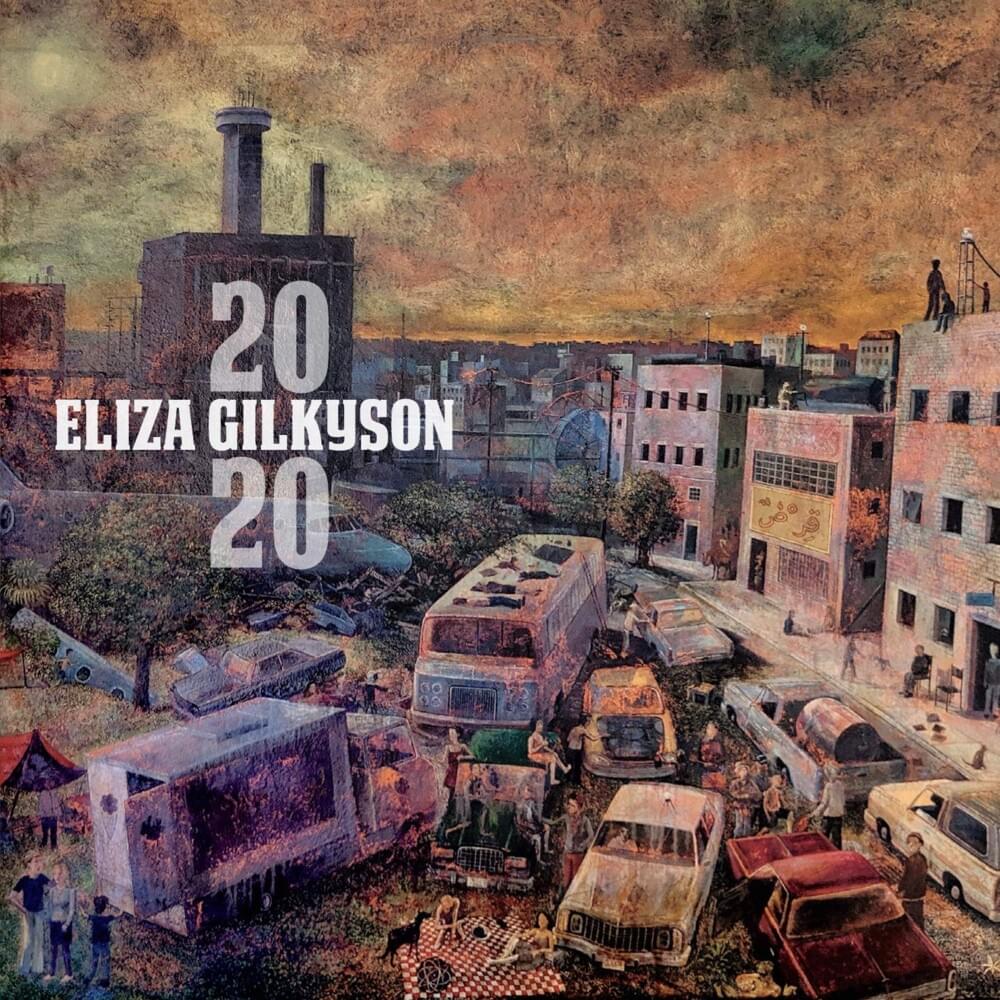
 View Artist