Song Meaning
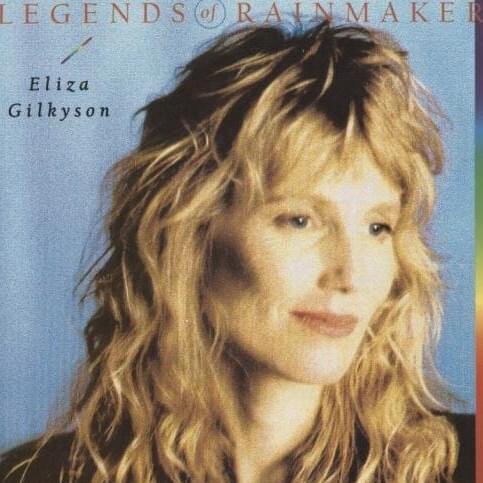
Eliza Gilkyson's "Song of the Rainbow Warrior (Part 1)" isn't just a folk tune; it's a time capsule and a spiritual quest condensed into a few verses. The opening lines immediately plunge us into the late '60s, a period of intense cultural upheaval and self-discovery. The narrator's journey to California, echoing the classic trope of the 'reckless rolling stone,' isn't merely geographical. It's a pilgrimage toward something deeper, a search for a 'rainmaker' – a metaphor that drips with longing for transformation and renewal. This isn't about literal weather control; it's about finding someone or something that can bring life and hope to a parched soul. The 'land he once called home' adds a layer of dispossession and perhaps a nod to indigenous wisdom. 
The shift to Santa Fe marks a turning point. Exhausted and vulnerable, the narrator finds solace and healing within a community. The 'gentle hands' and laughter suggest a nurturing environment where genuine connection allows for emotional repair. More significantly, the 'legends of the rainmaker' become a mirror, reflecting the narrator's own potential for spiritual growth. It's here that the song's central metaphor solidifies: the rainmaker isn't an external figure but an internal capacity waiting to be awakened. 
The chorus, with its declaration of being a 'rainbow warrior,' elevates the personal journey to a mythic scale. This isn't a literal warrior, but someone fighting for hope and beauty amidst 'clouded canyons above the coke and chains'— a potent image of overcoming addiction, societal oppression, or personal demons. The 'dances' that 'make the rains' symbolize the power of art, community, and spiritual practice to bring about positive change. The song, therefore, is a testament to the transformative power of seeking, finding community, and embracing one's inner potential for renewal.
 View Artist