Song Meaning
Eliza Gilkyson's "Rose of Sharon" isn't just a song; it's a lush, intimate unveiling of devotion, drawing deeply from the well of biblical allusion and transforming it into a powerfully human experience. The opening lines immediately establish a dual identity, referencing the Song of Solomon. To declare oneself both "a rose of Sharon" and "a lily of the valley" is to claim a specific, yet ambiguous beauty – a beauty tempered by hardship, as suggested by the lilies growing "among the thorns." This juxtaposition sets the stage for a lyrical exploration of love found and nurtured amidst life's inevitable struggles. The "rose of Sharon" becomes a symbol of resilience, a testament to the enduring power of affection.
The song's imagery blossoms further, comparing the beloved to an apple tree offering solace in a dense forest. This isn't merely about physical attraction; it's about finding comfort and joy in the presence of another. The repeated invitation to "rise up my love and come away" carries a sense of urgency and liberation, suggesting an escape from past hardships into a brighter future forged by their connection. The line, "Your love is the fruit of my darkest day," encapsulates the transformative power of love, turning sorrow into something nourishing and life-affirming. It's a recognition that even from the depths of despair, profound beauty and connection can emerge.
The intimate details shared – "His gentle hand lies under my head," "I shall not stir him from my bed" – paint a picture of deep trust and vulnerability. The request for wine underscores the desire to prolong these precious moments, even though "none but him can soothe me." Ultimately, "Rose of Sharon" is a celebration of mutual desire and belonging. The declaration, "I am my beloved's and he is mine," is the heart of the song's meaning, a simple yet profound statement of unity and unwavering commitment. Eliza Gilkyson masterfully crafts a sonic space where sacred and sensual intertwine, revealing the enduring power of love to heal, transform, and ultimately, define us.
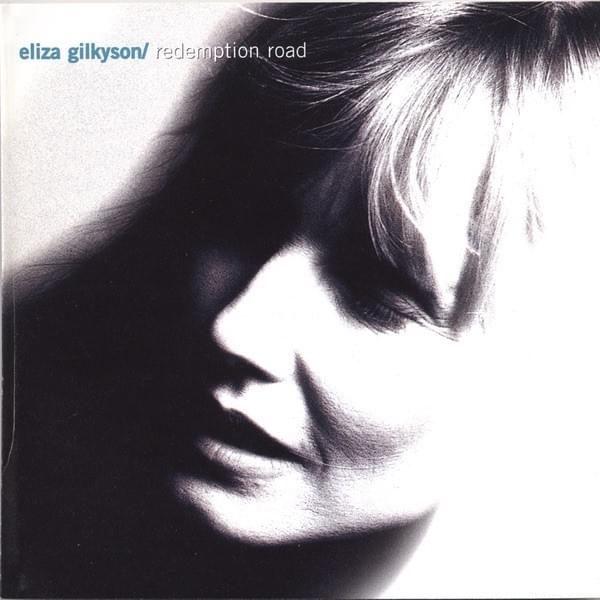
 View Artist