Song Meaning
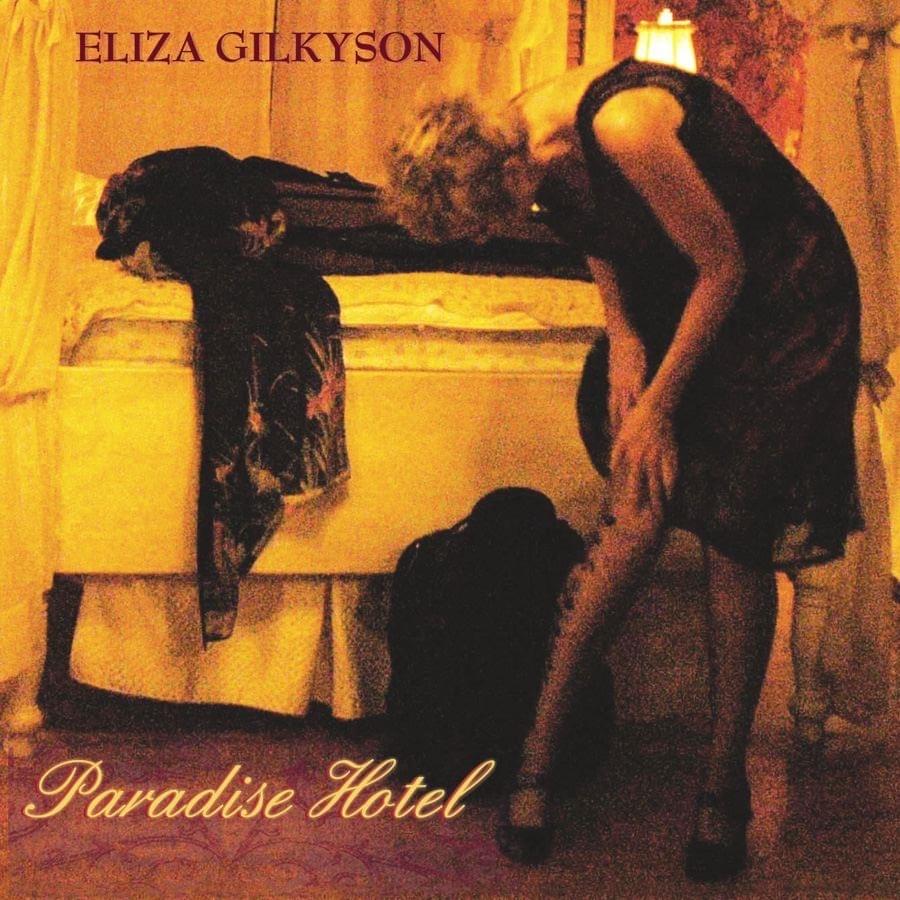
Eliza Gilkyson's "Paradise Hotel" isn't selling you a vacation; it's hawking a potent, if cynical, brand of hope. The song's power resides in its stark juxtaposition: the allure of easy escape versus the grinding realities of human desire and manipulation. Gilkyson paints a world of transient pleasures and manufactured realities, where the promise of fulfillment flickers like a faulty neon sign. The "Paradise Hotel" itself becomes a metaphor for the illusions we chase, a beckoning mirage that masks deeper dissatisfactions. The on-and-off blinking, a recurring motif, emphasizes the fleeting nature of these promised highs. It’s a crucial element in the song's meaning. Are we truly seeking paradise or just a momentary distraction from our "sorry ships" and sinking realities?
The lyrics hint at a weary resignation. The "actors in your play," who "dance as long as you will pay," suggest a transactional view of relationships, devoid of genuine connection. The "man behind the curtain" pulling levers for the "sheep" exposes the puppetry at play in our pursuit of happiness. Gilkyson doesn't offer solutions, but her sharp observations serve as a warning. The "bird in my hand," promising paradise, could be interpreted as a metaphor for the small, tangible comforts we cling to, even as they distract us from larger truths. Is it genuine solace, or just another form of self-deception?
Ultimately, "Paradise Hotel" is a song about the human condition, our endless search for meaning and the often-illusory nature of the destinations we choose. The song's cyclical structure, mirroring the "on and off" blinking, further reinforces the sense of being trapped in a loop, chasing fleeting highs that ultimately leave us empty. The repetition emphasizes the seductive yet ultimately hollow nature of the promised "paradise." The ambiguity is key: Gilkyson doesn’t condemn the desire for escape, but she urges us to examine the price we pay for indulging in manufactured realities.
 View Artist