Song Meaning
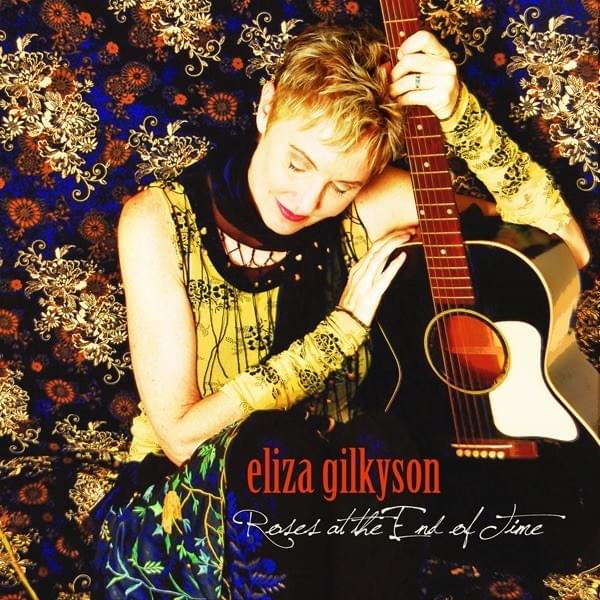
Eliza Gilkyson's "Midnight on Raton" isn't just a song; it's a melancholic postcard from the edge of somewhere, steeped in the reflective loneliness that often accompanies travel and the passage of time. The opening lines immediately establish a sense of place and history, invoking the spirit of Townes Van Zandt and hinting at a shared journey—both literal and existential—through the same landscapes. The singer's confession of having someone who loves her, quickly followed by "but it's too late to phone," suggests a profound disconnect, a chasm that even affection can't bridge in this moment of solitary contemplation.
The imagery throughout the song reinforces this feeling of being caught between worlds. The "hurrying of the cars" on the interstate contrasts sharply with the timeless "swirling of the stars," highlighting the tension between the mundane and the infinite. The act of drawing the curtains and letting the shadows in is particularly striking; it speaks to a deliberate embrace of introspection, a willingness to confront the darker aspects of the self that are often suppressed in the light of day. This willingness to grapple with inner turmoil is central to the song's emotional core.
The chorus encapsulates the song's central conflict: the simultaneous experience of fullness and emptiness, a feeling of being overwhelmed by a world that seems both cruel and incomprehensible. The question, "Are we still the fools / Who don't know right from wrong / Here at midnight on Raton?" echoes a deep-seated uncertainty, a questioning of moral compass and life choices. The crumpled napkin and fumbled pen symbolize the artist's desperate attempt to capture a fleeting moment of clarity, to make sense of the conflicting emotions that swirl within. The final lines, promising departure in the morning, offer a bittersweet resolution: a willingness to move forward, but with the lingering ache of unresolved questions and the haunting beauty of a moment suspended in time.
 View Artist