Song Meaning
Eliza Gilkyson's "Love's Shadow" isn't a saccharine ode to romance; it's a stark excavation of its inherent paradoxes. The opening verses immediately establish a push-pull dynamic, a frustrating dance of unmet needs and misaligned affections. The speaker offers tokens of affection – flowers, poems – that are met with a dismissive pragmatism, a yearning for something deeper, something hidden behind defensive walls. This sets the stage for the central theme: the elusive, often destructive, pursuit of authenticity within a relationship. The "heart behind my head" represents a desire to bypass the curated self, to access the raw, vulnerable core. But is that core ever truly accessible, or even desirable, without dismantling the carefully constructed defenses that protect it?
Gilkyson masterfully employs metaphor to illustrate the complexities of intimacy. The "hidden child running wild in my garden" evokes a sense of untamed, primal self that both attracts and terrifies. The "mirrors and mazes" suggest the disorienting nature of relationships, the way they can distort our sense of self and trap us in endless cycles of projection and misinterpretation. The line "What lives in freedom dies in cages" is particularly poignant, highlighting the inherent tension between the desire for connection and the need for autonomy. Love, in its attempt to possess and define, can inadvertently suffocate the very essence it seeks to embrace.
The recurring refrain, "This is the song of songs / Pure and twisted deep and narrow / This road runs right or wrong / Through the valley of love's shadow," acts as a somber anchor, a reminder of the inherent ambiguity of the journey. The "valley of love's shadow" is not a place of simple darkness, but a complex landscape of shifting forms and elusive truths. The concluding lines drive home the central point of the song meaning: love's shadow is "a reckless thing," and the more one tries to capture it, the more it disappears. It is a reminder that the pursuit of perfect understanding and absolute possession in love is ultimately a futile, and potentially destructive, endeavor. The song is not a condemnation of love, but a clear-eyed acknowledgement of its inherent challenges and the constant negotiation required to navigate its shadows.
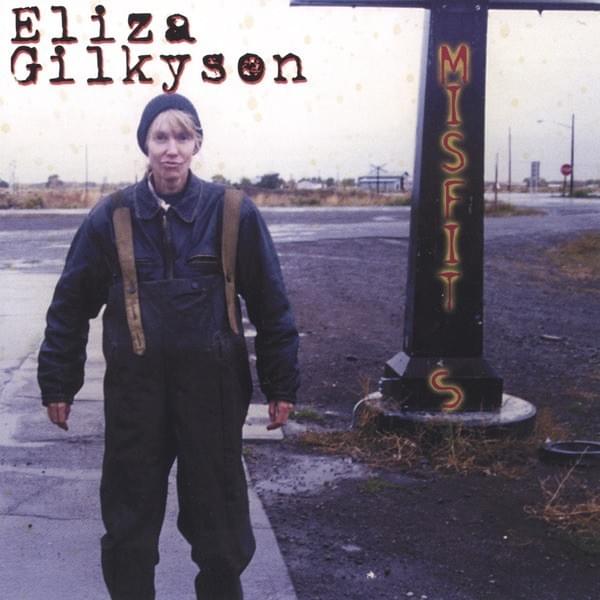
 View Artist