Song Meaning
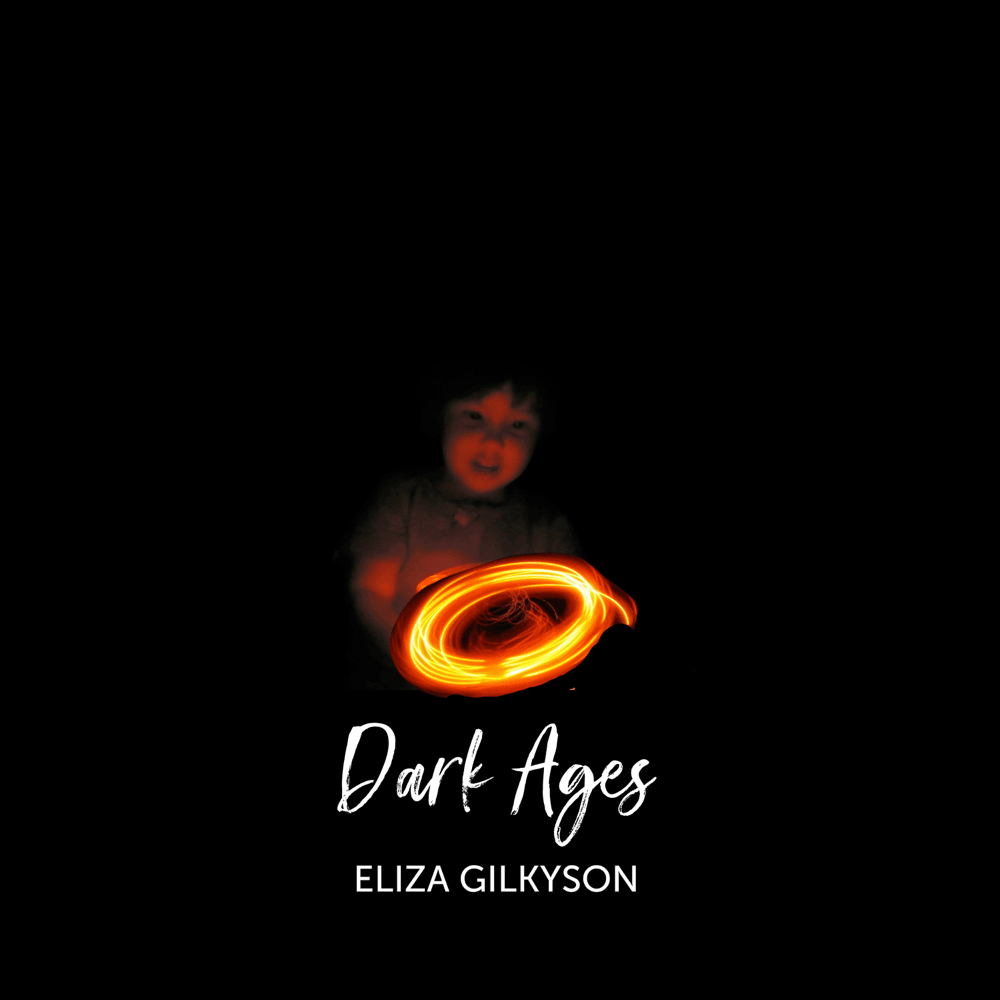
Eliza Gilkyson's "Dark Ages" isn't subtle—it's a Molotov cocktail hurled at the architects of regression. The song meaning pulses with righteous anger, a visceral rejection of the figures Gilkyson sees dragging society backward. It's a protest song in the most classic sense, a furious indictment of power structures and the individuals who wield them to oppressive ends. The "dirty old man with the dead snake eyes" is a thinly veiled portrait of a demagogue, trading morality for control, while the "sycophants" and "alpha white boys" represent the chorus of complicity that allows such figures to thrive. Gilkyson isn't just pointing fingers; she's diagnosing a societal sickness. The "soul cages" and the repeated refrain of "sending us back to the dark ages" suggest a fear of eroding empathy, a descent into tribalism and unchecked ego. The song's power lies not in nuanced allegory, but in its raw, unfiltered rage against perceived injustice.
Psychologically, "Dark Ages" taps into a deep-seated fear of societal collapse, the anxiety of losing progress and reverting to primal, hierarchical power dynamics. The lyrics drip with disgust for those who exploit these fears, preying on insecurities to consolidate their own authority. Gilkyson isn't merely criticizing political figures; she's targeting a mindset, a willingness to sacrifice compassion and equality for the sake of dominance. The repeated desire to "send them back" isn't just a political statement, it's an expression of the listener's own shadow self, the part that craves simple solutions and punitive justice. The song acts as a pressure valve, allowing listeners to vent their own frustrations with a system they feel is rigged against them.
The genius of "Dark Ages" lies in its accessibility. It avoids academic jargon and complex metaphors, opting instead for direct, visceral language that resonates with a broad audience. The references to figures like Vance, Thiel, and Bannon ground the song in a specific political context, but the underlying themes of power, corruption, and social decay are timeless. It's a call to arms, not in a literal sense, but in a plea for vigilance and resistance against the forces that seek to drag us back into the darkness. Ultimately, Eliza Gilkyson's lyrics analysis reveals a profound fear, but also a defiant hope that the tide can be turned, that the "dark ages" can be averted.
 View Artist