Song Meaning
This song paints a picture of complete devotion, where the narrator's entire emotional world hinges on a beloved's presence. The repeated phrase "btemoun" (meaning something like "you have the right" or "you are capable of") establishes a powerful dynamic: the narrator grants the other person ultimate authority over their feelings, from laughter to tears. This isn't just affection; it's a surrender of control, acknowledging that their heart beats only by the grace of this person's influence. The lyrics suggest a profound dependency, where the narrator's very existence feels tied to the beloved's gaze and proximity.
The central tension lies in this absolute vulnerability versus the beloved's perceived aloofness. The narrator repeatedly calls the beloved "ma'zour" (excused) for their "eyes weaving beauty" and their "heart is proud, oh sweet one, proud." This framing implies the beloved is so captivating and perhaps unattainable that any perceived arrogance or distance is understandable, even forgivable. Yet, the narrator confesses their own heart is "pledged" and "not by my command," highlighting the internal conflict of being utterly captivated by someone who might not reciprocate with the same level of emotional openness or perhaps even awareness.
The most striking craft element is the relentless repetition of "btemoun" and the core question, "Without the heart, what remains?" This rhetorical question underscores the narrator's belief that their heart, and by extension their life, is meaningless without the beloved. The imagery of the heart being "pledged" and "not by my command" is particularly potent, illustrating a loss of self-sovereignty. The narrator admits to loving "madly, I love madly," a confession that feels both passionate and desperate, especially when contrasted with the beloved's potentially "proud" nature.
Ultimately, the lyrics resonate because they articulate a universal human experience of intense infatuation and the fear of abandonment. The narrator's willingness to concede every emotional right to another person, while simultaneously acknowledging their own heart's "proud" captor, creates a compelling portrait of love's power. The writing effectively captures that dizzying, almost irrational state where one person becomes the sole axis around which another's world revolves, making the prospect of their absence a terrifying "suffering."
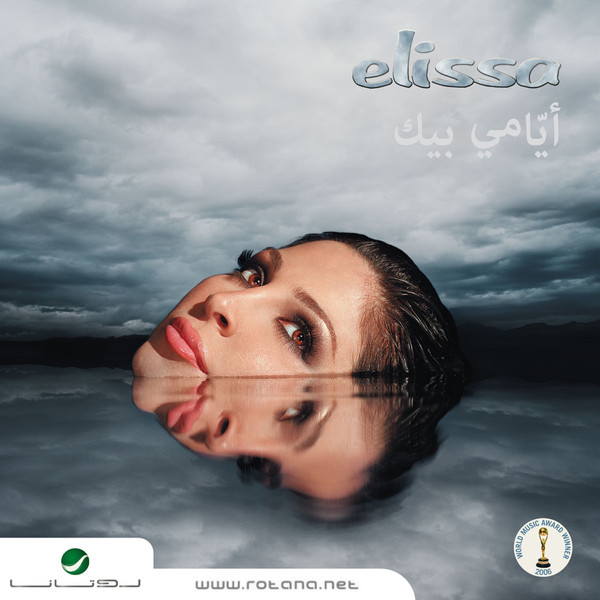
 View Artist