Song Meaning
"Silent Night," especially as interpreted by an artist like Elisa, transcends its simple carol origins to tap into something far more profound than mere holiday cheer. The song's power lies in its stark simplicity: a hushed scene, a mother and child, the promise of peace. But beneath that veneer of tranquility lurks a potent emotional core, one that speaks to our deepest desires for solace and redemption. The repetition of "Silent night, holy night" acts as a mantra, a hypnotic suggestion to quiet the anxieties of the world and focus on the potential for grace.
The lyrics themselves paint a picture of awe and humility. Shepherds, the humblest of figures, "quake at the sight" of the divine. This isn't a triumphal celebration, but a moment of profound recognition, an understanding that something extraordinary has entered the world in the most unassuming way. The "heavenly hosts" singing "Alleluia" reinforce this sense of otherworldliness, a break in the ordinary fabric of existence. The song's genius is in making the cosmic feel intimate, the divine feel accessible.
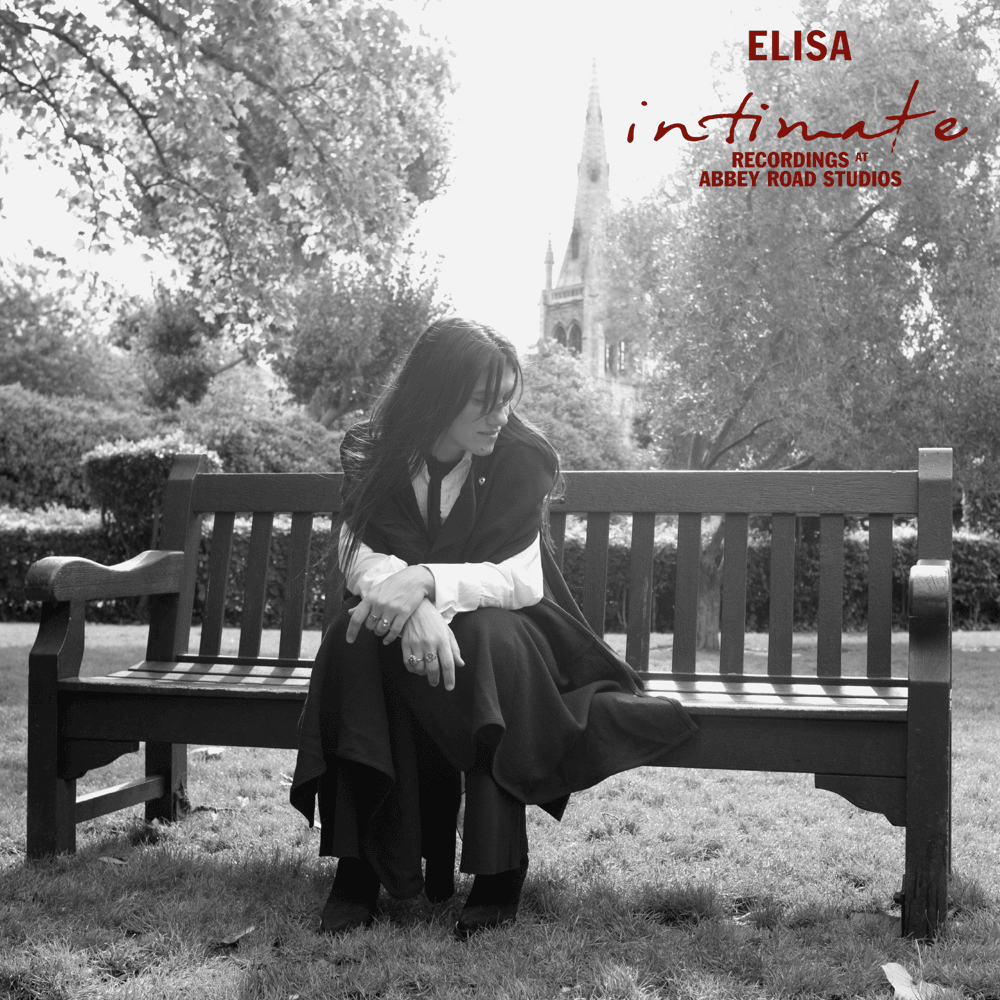
Ultimately, the song meaning behind "Silent Night" resides in its ability to evoke a sense of peace amidst chaos, hope amidst despair. It's a reminder that even in the darkest of times, a "wondrous star" can "lend thy light." The repeated declaration of "Christ the Savior is born" or "Christ the Savior is here" isn't just a religious statement; it's a psychological anchor, a grounding force in a world that often feels adrift. Elisa's interpretation, no doubt, adds layers of emotional complexity, drawing out the song's inherent yearning for connection and spiritual renewal.
 View Artist