Song Meaning
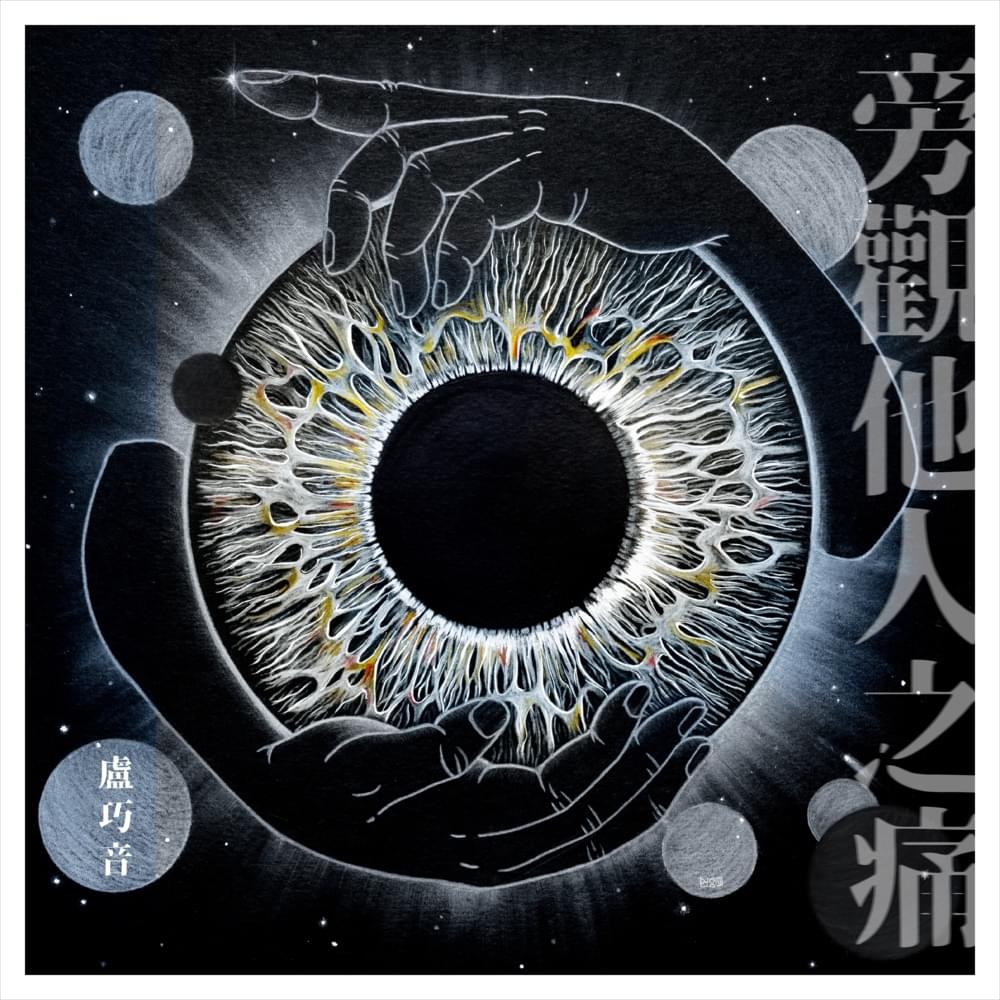
The lyrics paint a stark picture of passive observation in the face of suffering, whether it's distant conflict or societal deception. The repeated phrase "給你觀看" (for you to watch) emphasizes a detached viewing experience, highlighting how suffering is consumed as content. This initial setup establishes a tone of critical distance, questioning the value of mere observation when confronted with "戰場" (battlefields) and "世人一再說謊" (people lying again and again).
The central tension lies in the contrast between the act of watching and the inability to intervene, creating a sense of helplessness. The narrator acknowledges the pain of the "旁觀者" (bystander) who feels "無力介入" (powerless to intervene), a state described as "沮喪" (depressing). This highlights the psychological burden of witnessing hardship without the capacity to alter its course, suggesting that even empathy can become a source of distress when it leads to no action.
A significant lyrical device is the shift in the chorus. Initially, it states "軟弱 非你的錯" (weakness is not your fault) and "眼淚 溫暖真確" (tears are warm and real), seemingly excusing the bystander's inaction. However, the bridge introduces a more critical perspective: "卻也冷酷 旁觀他者之痛" (but also cold to watch others' pain). This duality suggests that while the bystander's weakness might not be their fault, the act of passive observation itself carries a chilling indifference, questioning the sincerity of the "warm and real" tears.
Ultimately, the lyrics resonate because they articulate a common modern dilemma: how to engage with overwhelming global and personal pain when direct action feels impossible. The song doesn't offer easy answers but instead probes the emotional complexity of being a witness. The final lines, urging to "雙眼仍舊盼望" (eyes still hope) and "不要相信改變不多" (don't believe change is little), offer a fragile glimmer of agency, suggesting that maintaining hope and belief in change, even in the face of despair, is the only recourse available to the bystander.
 View Artist