Song Meaning
This song paints a stark picture of the duality inherent in the tools of creation and expression. The hand that plays a guitar, the voice that sings a song – these instruments of beauty can, when necessary, become instruments of destruction. The lyrics suggest that the same creative force can be turned to war, to praise death, or to defend life, highlighting a potent, almost dangerous, potential within art and its practitioners.
The central tension lies in the fragility of peace and the ever-present need for defense. The "viola enluarada" (moonlit guitar) in the "sertão" (backlands) is likened to a sword, a symbol of vengeance, and the peace it offers is explicitly called "passageira" (fleeting). This implies that the very act of creating or holding onto something precious, like peace or freedom, requires a readiness to fight for it, transforming the gentle into the formidable.
The most striking craft element is the juxtaposition of seemingly peaceful or celebratory actions with the capacity for violence. Dancing a samba is contrasted with going to a fight, capoeira, and the guitar, a symbol of music, is directly equated with a sword. This deliberate pairing underscores the idea that the potential for conflict is always lurking beneath the surface, even in moments of joy or artistic expression.
Ultimately, the lyrics resonate because they acknowledge a complex truth: that the power to create is also the power to destroy, and that true freedom or peace often demands a fierce, unwavering defense. The repeated cry of "Liberdade!" (Freedom!) becomes not just a song, but a battle cry, a testament to the active struggle required to maintain what is cherished.
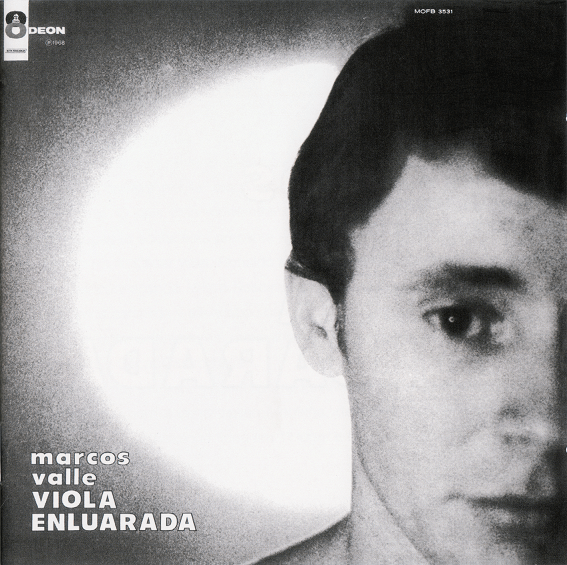
 View Artist