Song Meaning
The lyrics immediately set up a bittersweet tension, acknowledging Carnival's inherent joy while quickly pivoting to its darker side. While the festival "sempre faz feliz alguém," it can also bring profound personal sadness. This immediate contrast establishes a melancholic yet reflective mood.
The central emotional tension here lies in the stark contrast between public celebration and private grief. For some, Carnival is a peak of joy, a time when "quem amou foi muito bom." Yet, for others, it's a period of profound loss, where "quem perdeu chorou demais." The lyrics vividly capture this post-celebration emptiness, describing how "tudo é quarta-feira" and "sempre cinza," painting a picture of lingering desolation.
The most striking craft element emerges in the cyclical nature of hope itself, explicitly tied to the festival. After the profound grayness, "depois voltou o carnaval," appearing "na fantasia de sol." This isn't merely a factual return; it's presented as a hopeful, almost dreamlike illusion, a "fantasy" that reawakens the possibility of finding "um novo amor." The repeated phrase "no carnaval" at the close powerfully anchors this fragile, renewed optimism within the very event that previously brought such deep sorrow.
Ultimately, these lyrics are effective because they capture the complex emotional landscape of memory and anticipation. They suggest that even after profound loss, the human spirit clings to the promise of renewal, often projected onto familiar, recurring events. The piece resonates by illustrating how collective joy can sharpen individual pain, yet also how the rhythm of life, symbolized by the returning Carnival, continually offers a chance for new beginnings, even if tinged with past sadness. It's a poignant reflection on hope's enduring, sometimes bittersweet, cycle.
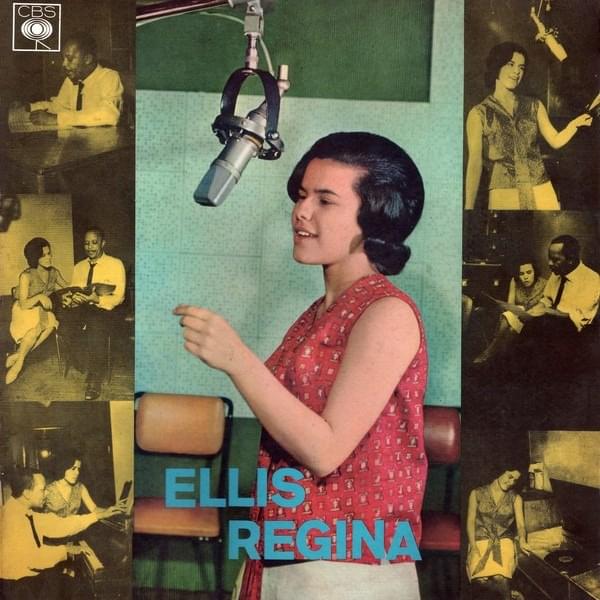
 View Artist