Song Meaning
This is pure, unadulterated infatuation. The narrator spots a young crush, a "brotinho," and their heart is instantly captured. There's a sense of surprised surrender; the narrator doesn't resist the feeling, simply "não disse não" – didn't say no. It's a classic case of love at first sight, delivered with a breathless, almost dizzying intensity.
The core tension lies in the narrator's bewilderment at their own reaction. They describe the crush as a "Garoto último tipo," a "broto, sensação" – a top-tier, sensational kid. Yet, the repeated refrain, "Não sei porque / Dei meu coração" (I don't know why / I gave my heart), highlights a delightful lack of control. This isn't a reasoned decision; it's an overwhelming emotional response.
The lyrics paint a vivid, almost cinematic picture of the crush's impact. The narrator claims "Saiu pra rua, trânsito parou" (He went out on the street, traffic stopped), exaggerating the effect this boy has on the world. The "olhar mandou" (sent a look) is a powerful, silent communication that seals the deal, confirming the narrator's assessment: "Que garotinho, mais que tipão" (What a kid, more than a cool guy). This moment solidifies the theft of their heart.
What makes these lyrics so effective is their unvarnished portrayal of youthful infatuation. The simple, repetitive structure mirrors the obsessive, looping thoughts of a crush. The narrator isn't overthinking it; they're simply swept away by the sheer magnetic pull of this "garoto último tipo," capturing the exhilarating, slightly disorienting feeling of falling hard and fast.
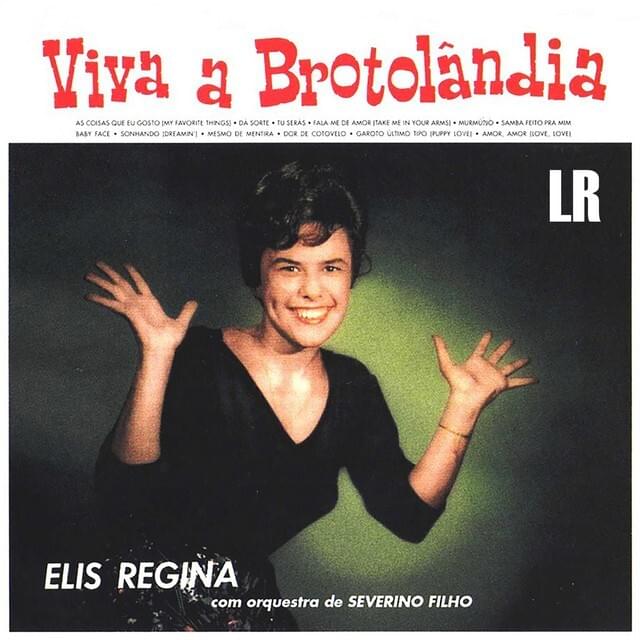
 View Artist