Song Meaning
These lyrics open with a grand, almost divine compliment, suggesting the woman is so remarkable that even God would struggle to believe she wasn't created. But that soaring praise immediately crashes back to earth. The speaker quickly asserts that she doesn't live up to the idealized woman immortalized by the legendary poet Vinicius de Moraes, setting up a core tension between an imagined ideal and a disappointing reality.
The initial admiration quickly sours into a plea for affection, hinting at a coldness from the woman. The speaker then shifts from a supplicant to someone asserting their boundaries, warning against "ingratidão" (ingratitude). This is followed by a declaration of self-sufficiency: "eu também sei dançar conforme a canção"—a sharp idiom implying the speaker can adapt and move on, playing the game just as well.
The turning point arrives with the speaker taking control, stating, "quem vai embora agora sou eu." The relationship is definitively over, and the speaker dismisses the woman's priorities with a telling contrast: "ver a lua em vez de um lar." This suggests she prioritizes distant dreams or fleeting desires over the stability and commitment of a home, revealing a fundamental incompatibility that the speaker now accepts.
The lyrics conclude with a poignant, almost mournful reflection on "Teresa mulher." Whether Teresa is her actual name or an archetype, the speaker laments that she is "não ser mais Teresa mulher"—no longer embodying an ideal of womanhood. It's a bittersweet ending, where the speaker walks away with a sense of finality, yet still carries the weight of a lost ideal and a profound disappointment.
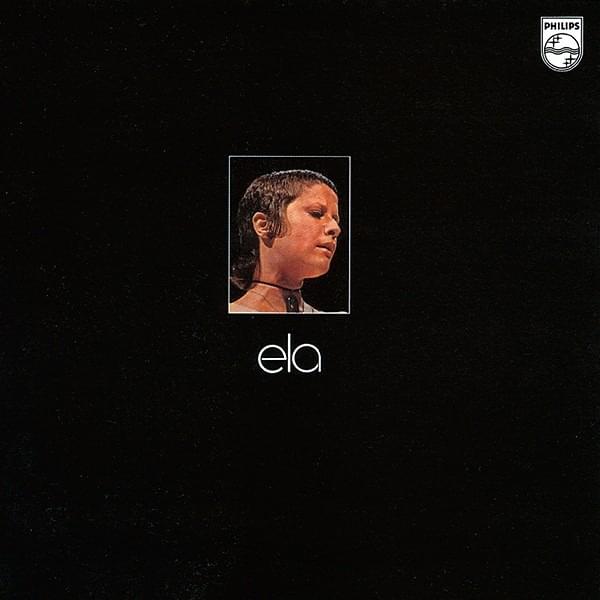
 View Artist