Song Meaning
This song is a straightforward confession of newfound happiness and freedom from past unhappiness. The narrator declares they are now happy, truly happy, and no longer susceptible to being made miserable by anyone. It's a declaration of a present state of contentment, a stark contrast to whatever came before.
The core tension lies in the definitive break from the past and the embrace of present joy. The lyrics state, "O que passou, passou" (What passed, passed), emphasizing that the past is definitively over and will not return. This closure is presented as the source of comfort and relief from former sorrows, a deliberate choice to leave behind painful memories.
The most striking element is the almost mathematical approach to past relationships or troubles: "Se um é pouco, dois é bom, três é demais" (If one is too little, two is good, three is too many). This phrase suggests a pragmatic, perhaps even slightly dismissive, way of categorizing past experiences, implying that even a few negative encounters were more than enough, and now the narrator has found a balance that suits them perfectly.
This lyrical construction works because it grounds an emotional shift in a simple, memorable, and slightly quirky aphorism. It's not just about feeling better; it's about a conscious, almost strategic, decision to move on and find solace in a state of being that is no longer defined by past pain. The confession feels earned, a quiet but firm assertion of self-possession.
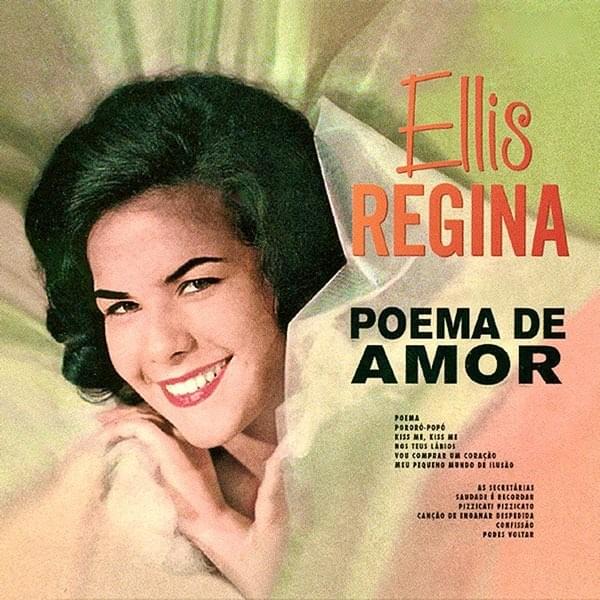
 View Artist