Song Meaning
The lyrics paint a vivid, almost cinematic picture of escalating tension. We open on a quiet room, people watching with "pipoca e bala," setting a scene of passive consumption. This quickly gives way to a chaotic "corre-corre" and the visceral sound of a "tapa estala," plunging us into a world of direct confrontation.
Amidst this unfolding drama, a personal struggle emerges. The narrator repeatedly confesses, "Eu esqueço sempre nesta hora, linda, loura," suggesting a recurring mental escape or a preferred fantasy used to cope with intense situations. This internal retreat is contrasted with the external violence, highlighting a tension between engagement and avoidance, especially with the line "Quanto me custa dar a outra face."
The lyrics masterfully use repetition and escalating imagery to convey conflict. Phrases like "bala com bala" and "faca com faca" create a rhythmic, almost chant-like intensity, emphasizing a direct, reciprocal clash. The inclusion of "fala com fala" broadens the conflict beyond physical blows, suggesting that words too can be weapons, all contributing to a chaotic "balacobaco."
The true punch comes in the aftermath. When "a luz acende," the fantasy shatters, leaving behind "uma tristeza, trapo, presa." The narrator's "coragem muda em cansaço," revealing the profound emotional toll of witnessing or participating in such drama. The final, poignant observation that "Toda fita em série que se preza... Acaba sempre no melhor pedaço" offers a meta-commentary, suggesting that real life's messy conclusions rarely offer the satisfying resolution of fiction, leaving us with a sense of weariness rather than catharsis.
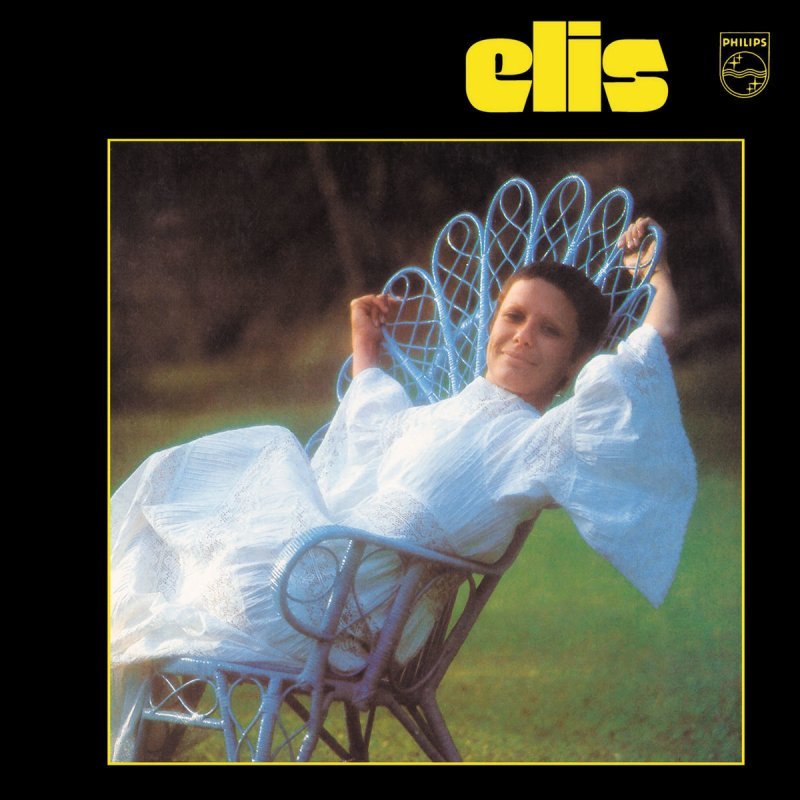
 View Artist