Song Meaning
The lyrics open with a stark, almost prophetic warning: "Esse ano vai sobrar um" (This year one will be left over). This ominous prediction is immediately followed by a chilling consequence for dissent: "Quem falou já morreu" (Whoever spoke already died). The narrator then asserts a singular, unsettling authority, claiming "Quem sabe dele sou eu" (I'm the one who knows about him/it). This establishes a world where knowledge is power, and speaking out carries fatal risks.
A central tension emerges from the narrator's declared power, juxtaposed with the fatalistic declaration "A vida quem dá é Deus" (Life is given by God). This suggests a world where human agents, specifically the "malandro" archetype, operate with a chilling sense of divine sanction or, perhaps, a twisted interpretation of fate. The malandro, as described, is not a figure of generosity, refusing to offer a "good little life" or even a "shirt" to anyone.
The repetition of the opening lines acts like a grim mantra, reinforcing the narrator's absolute certainty and the harsh rules of this world. The "malandro" is not just a character but a code, defined by a confrontational spirit and a distinct, self-possessed style. Crucially, this identity is tied to their expression: a malandro brings in their singing the very style that the song embodies, suggesting an inherent connection between their street wisdom and their art.
These lyrics effectively paint a picture of a self-contained, dangerous world governed by unspoken rules and a powerful, enigmatic narrator. The blend of street-level threat and a detached, almost philosophical fatalism creates a potent emotional impact. It leaves the listener with a sense of unease, understanding that in this domain, survival hinges on recognizing who holds the knowledge and who dictates the consequences.
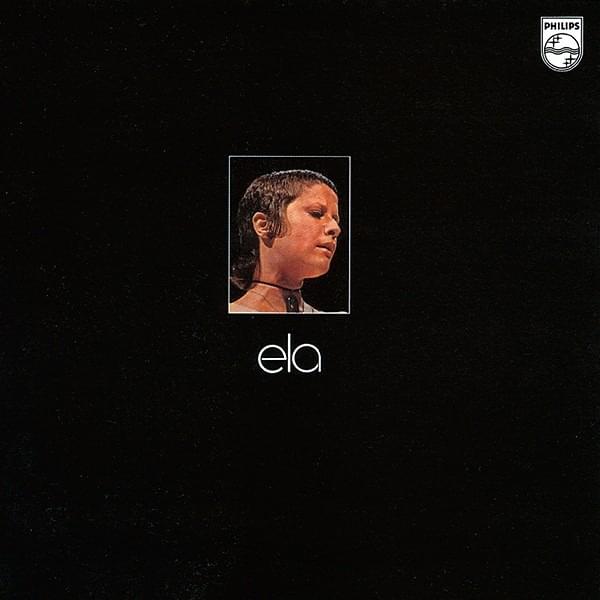
 View Artist