Song Meaning
The lyrics paint a stark picture of loneliness and unrequited love, immediately establishing a tone of profound sadness with the repeated phrase "Triste é viver na solidão" (Sadness is living in solitude). This isn't just a fleeting melancholy; it's a deep-seated ache, amplified by the "dor cruel de uma paixão" (cruel pain of a passion). The narrator grapples with the harsh reality that dreams can't sustain life, stating "ninguém pode viver de ilusão" (no one can live on illusion) and the dreamer "tem que acordar" (has to wake up).
The central tension arises from an overwhelming, unattainable beauty. The object of affection is described with the striking metaphor "Tua beleza é um avião" (Your beauty is an airplane), suggesting something grand, distant, and perhaps even dangerous. This immense beauty is "Demais pr'um pobre coração" (Too much for a poor heart), which is forced to stop and witness it, only to be further its own suffering. The act of seeing this beauty becomes an act of self-torture.
The most potent craft element is the relentless repetition of "Triste é viver na solidão," which acts as a refrain of despair. This isn't just a statement of fact; it's an incantation of the narrator's emotional state. The contrast between the idealized, airplane-like beauty and the "pobre coração" (poor heart) highlights the vast emotional distance and the narrator's sense of inadequacy. The lyrics suggest a painful awareness of reality crushing idealistic hope.
Ultimately, the effectiveness of these lyrics lies in their direct, unvarnished portrayal of heartbreak and disillusionment. The simple, declarative sentences and the recurring theme of sadness create a powerful emotional resonance. The narrator's resignation to their fate, forced to confront a beauty that only intensifies their solitude, makes the pain feel palpable and inescapable.
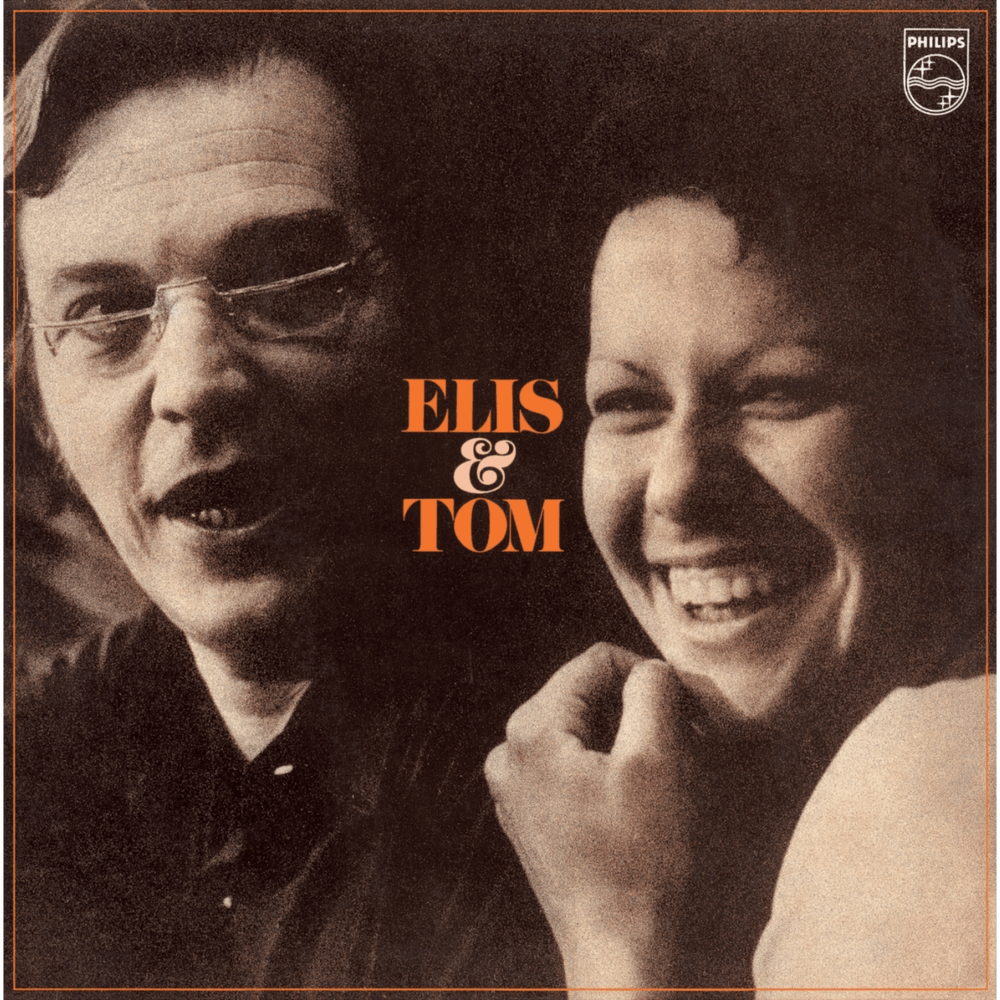
 View Artist