Song Meaning
The lyrics paint a vivid, almost surreal picture of dreams getting tangled in everyday objects, specifically pillows and bedside table drawers. This initial image of a "little dream" caught in a personal space sets a tone of intimacy and perhaps a touch of melancholy. The repetition of this image, shifting between "my" and "your" bedside table, suggests a shared, yet separate, internal world. The narrator's frustration with these "little dreams" implies a longing for something more tangible or perhaps a struggle to hold onto fleeting thoughts.
The narrative takes a sharp turn with the introduction of a "filthy and a bit whoresome" summer night that "makes love to us." This personification of the night injects a raw, almost aggressive sensuality into the scene. The appearance of prostitutes, described as "consenting figures who watch and judge us," introduces a societal element and a sense of external scrutiny. This creates a tension between the intimate space of the bedroom and the harsh realities of the outside world, particularly concerning sex and commerce.
The core of the song lies in the narrator's profound wish for a world where sex isn't transactional. The repeated phrase "to prostitute oneself to make love for payment" highlights a deep disillusionment with the commodification of intimacy. The lyrics suggest a yearning for a purer form of connection, one not dictated by economic necessity or societal judgment. The image of "crowded streets at midnight, everyone going to whores" and the idea of people substituting for prostitutes to earn money further emphasize this critique of a society where basic human connection is entangled with financial gain.
What makes these lyrics so potent is their unflinching honesty and the stark contrast between the delicate imagery of trapped dreams and the gritty reality of sexual economics. The narrator's direct confrontation with the idea of prostitution, not as a moral judgment but as a symptom of a flawed system, is powerful. The repeated desire for a world free from this necessity, grounded in the simple act of making love, resonates as a plea for genuine human connection in a world that often seems to reduce it to a transaction.
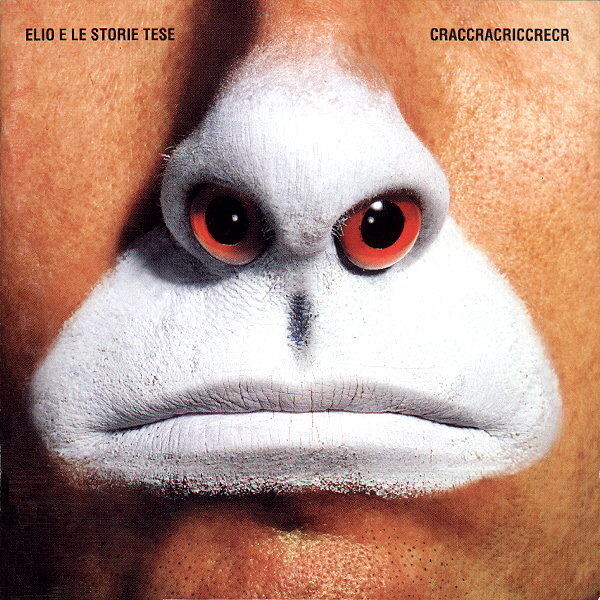
 View Artist