Song Meaning
The lyrics paint a stark picture of hardship and longing. The opening lines establish a sense of daily struggle, with repeated phrases like "Pamo ki grogu ka ta kaba" suggesting a persistent, perhaps inescapable, condition. There's a feeling of being stuck, where even basic needs like food and shelter are precarious, hinted at by the mention of a "saku d'aros dja seka." The dominant tone is one of weariness and a desperate plea for relief.
The central tension lies between the desire for escape or a better state and the crushing reality of the present. The narrator observes others, noting how "tudu omi é tras di si mudjer," a seemingly simple observation that might underscore a societal norm or a personal yearning. However, the recurring refrain "Oh grogu kaba / Pa txuba bem" acts as a desperate invocation, a cry for something to change, for a way out of this difficult existence.
The lyrics effectively use concrete details to convey emotional weight. The physical pain described, "Ma korpu sa ta duel / Palu sa ta sotal / Tres bes pur dia," grounds the abstract suffering in tangible discomfort. The financial strain is equally palpable: "Fim di mes dja pasa / Dinheru ba so na taberna." This contrast between the desire for relief and the immediate, pressing needs creates a powerful sense of entrapment.
Ultimately, the effectiveness of these lyrics stems from their raw, unvarnished portrayal of struggle. The directness of the language, the repetition of the plea, and the specific, relatable hardships create an immediate emotional resonance. The final exclamation, "Ah kanadja! / Grogu teni mudjeris ku dor na kosta / Nhos libra!" serves as a final, impassioned plea for liberation from this cycle of suffering.
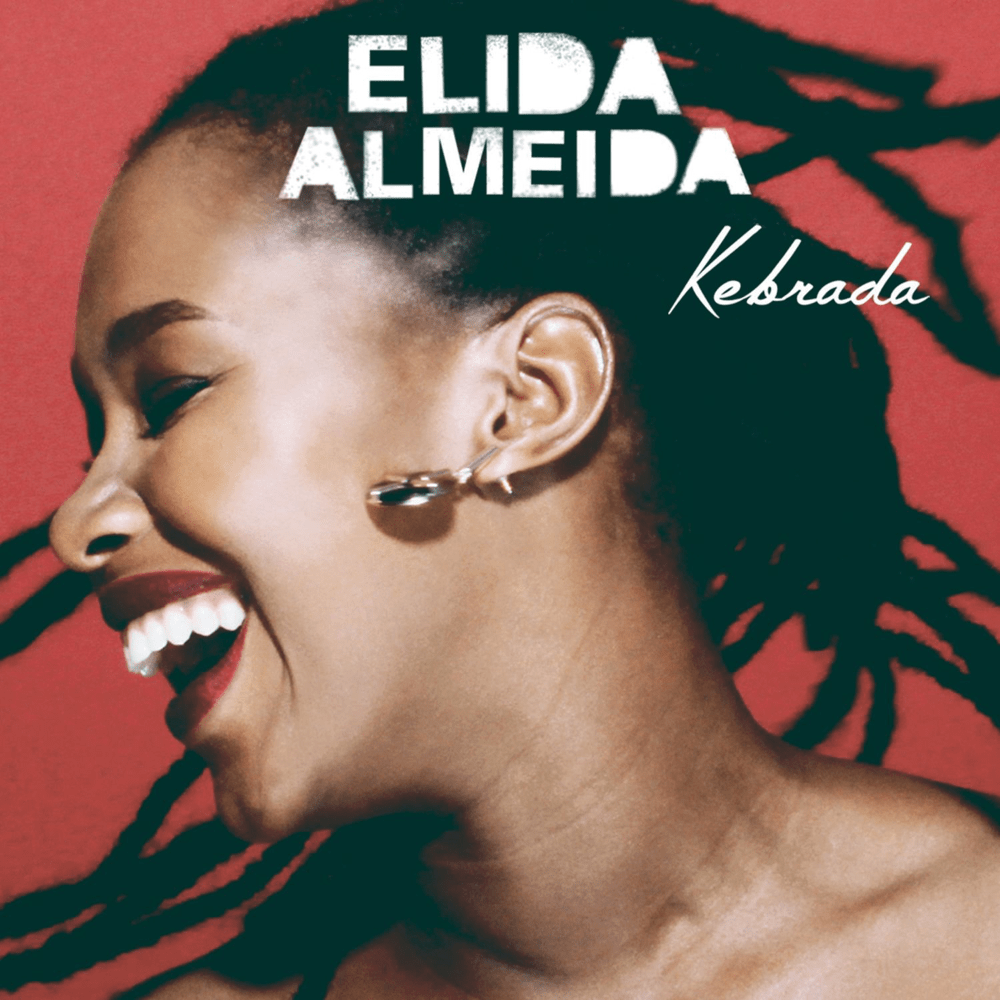
 View Artist